Roof Eaves: 4 Types, What Are They & Their Purpose

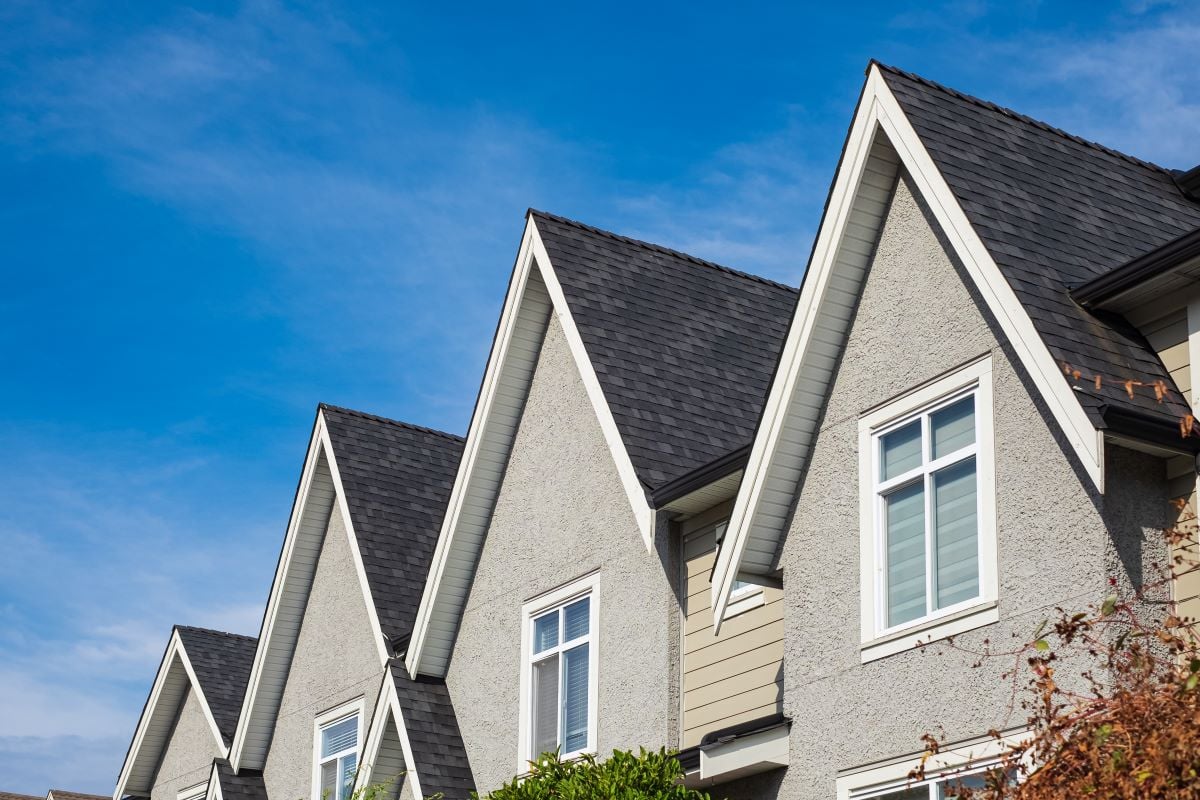
If you’ve ever looked up at your home’s exterior and noticed the part of the roof that extends past the walls, you’re looking at the roof eaves. These overhangs might seem like a minor architectural feature, but they serve a critical purpose in protecting your home—especially in LaPorte and surrounding areas, where weather can be tough on exteriors.
In this post, you’ll learn:
- What roof eaves are and how they’re structured
- Their functional and aesthetic importance
- Common types of eaves and maintenance tips

Why Roof Eaves Matter
Roof eaves aren’t just for looks. They help keep rainwater, snow, and debris away from your siding and foundation. By extending beyond the edge of the roof, they create a buffer zone that directs water runoff safely into your gutters and downspouts.
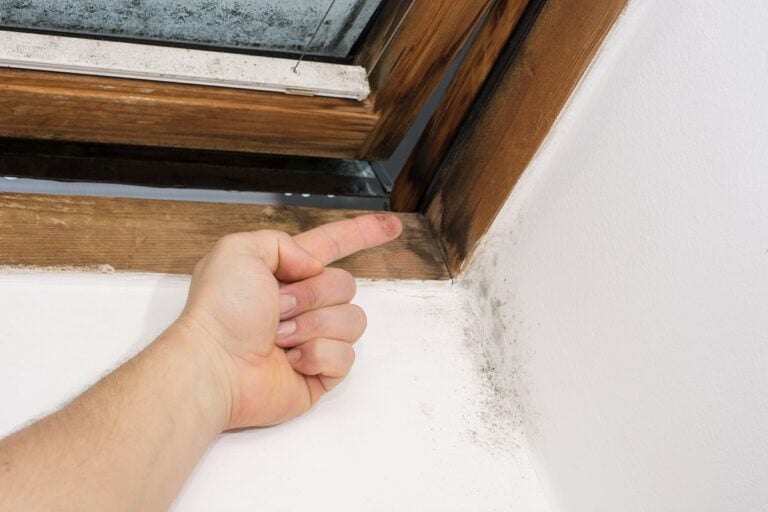
Without properly designed and maintained roof eaves, your home is more vulnerable to water damage, erosion, and even wood rot around the fascia and soffit. In regions like LaPorte, where seasonal storms and heavy snow are common, functional eaves can help prevent costly repairs and long-term damage to your home’s structure.
What Are Roof Eaves?
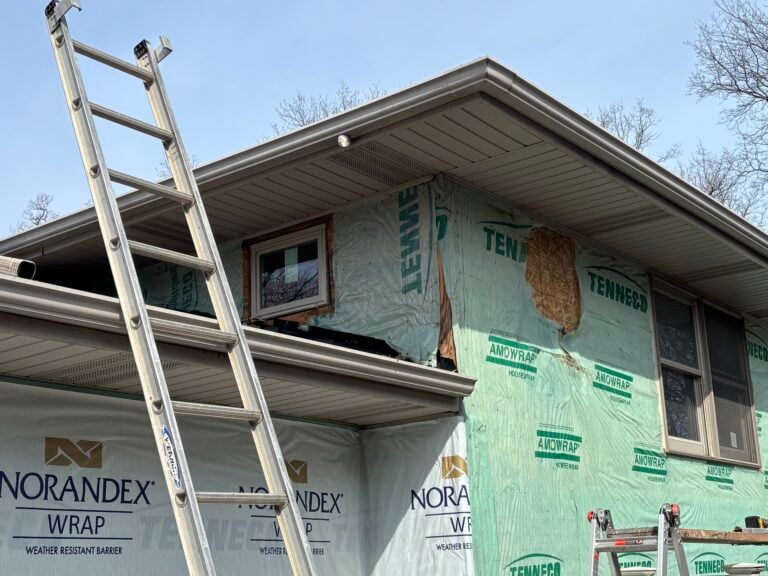
Roof eaves are the edges of your roof that extend past the side walls of your house. They’re made up of several key components:
- Fascia board: The vertical edge that caps the end of the rafters.
- Soffit: The underside of the eave that provides ventilation to the attic.
- Gutters and downspouts: Usually attached to the fascia to direct water away.
Together, these parts form the protective perimeter that allows your roof to shield the rest of your home effectively.
4 Main Types of Roof Eaves
Not all eaves are built the same. Depending on the style of your home and its roofing system, you may have one of the following types:
1. Open Eaves
- Structure: The rafters are exposed underneath.
- Style: Common in rustic or craftsman homes.
- Pros: Aesthetic appeal and easy to inspect for damage.
- Cons: May require more frequent cleaning and sealing.
2. Closed Eaves
- Structure: Rafters are hidden by soffit boards.
- Style: Found in most modern or suburban homes.
- Pros: Cleaner look and better protection against pests.
- Cons: Harder to spot hidden issues like rot or leaks.
3. Boxed-In Eaves
- Structure: Enclosed completely with fascia and soffit creating a boxy finish.
- Style: Common in older homes or high-wind areas.
- Pros: Great for ventilation and long-term protection.
- Cons: May trap moisture if not ventilated properly.
4. Abbreviated Eaves
- Structure: Very short overhang or none at all.
- Style: Seen in minimalist or modern designs.
- Pros: Sleek appearance.
- Cons: Offers less protection against rain and snow.

Functional Benefits of Roof Eaves
The design and structure of roof eaves contribute significantly to your home’s performance. Here’s what they do:
- Water redirection: Helps prevent water from running down exterior walls and pooling around your foundation.
- Shading: Provides shade to upper windows, reducing heat gain in summer.
- Ventilation: Soffits often include vents that help regulate attic airflow and reduce moisture.
- Pest deterrence: Properly enclosed eaves help keep birds, insects, and rodents out of your attic.
- Preventing roof deck damage: By keeping water away from vulnerable edges, eaves preserve the integrity of your roofing materials.
Common Problems With Roof Eaves
If your roof eaves are damaged or poorly maintained, you may notice:
- Peeling paint or water stains
- Sagging gutters
- Cracks in soffit panels
- Evidence of birds or pests nesting
- Water intrusion at the wall-roof junction
Ignoring these signs can lead to costly repairs—not only to your eaves but to your roof structure, attic insulation, and even interior drywall. Routine inspection and maintenance help spot issues early before they escalate.
How to Maintain Roof Eaves
Keep your roof eaves in good condition by following these maintenance tips:
- Clean your gutters: Clogged gutters can overflow and rot the fascia board.
- Inspect after storms: Look for loose panels, sagging gutters, or missing soffit vents.
- Seal and paint regularly: Protect wood components from moisture damage.
- Check for ventilation: Make sure soffit vents are clear of debris and airflow is not blocked.

Why Homeowners in LaPorte Trust Discount Roof
At Discount Roof, we’ve helped hundreds of LaPorte homeowners repair and replace worn-out or damaged roof eaves. Our roofing contractors are trained to spot issues quickly and offer lasting solutions that match your home’s design and structural needs.
- Full-service inspections: We check all roof components, including eaves, soffits, and fascia.
- Durable roofing materials: We use high-quality products that stand up to Midwest weather.
- Experienced project managers: Every job is organized, on time, and on budget.
- Transparent pricing: No surprises—just fair estimates and quality craftsmanship.
Get a Free Roof Inspection Today
Wondering if your roof eaves are doing their job? Whether you’ve noticed peeling paint, a leaky roof, or suspect wood rot in your overhangs, we’re here to help. Don’t wait until minor issues become costly repairs.
Contact Discount Roof today to schedule a free inspection in LaPorte and surrounding areas. We’ll assess your entire roofing system—including roof eaves—and help you make informed decisions to keep your home safe and dry year-round.
Get Your Free Estimate Today