What Is a Roof Flashing? (Purpose, Materials & Lifespan)

If you’ve ever dealt with a leaky roof, there’s a good chance roof flashing had something to do with it. Though often overlooked, flashing plays a vital role in keeping water out of your home—especially around roof features like chimneys, skylights, and vents. For homeowners in Lafayette and surrounding areas, understanding what flashing is and how it works can help you avoid costly repairs and protect your investment.
In this blog, you’ll learn:
- What roof flashing is and how it works
- The most common types and materials used
- How long flashing lasts and signs it needs replacement

What Is Roof Flashing?
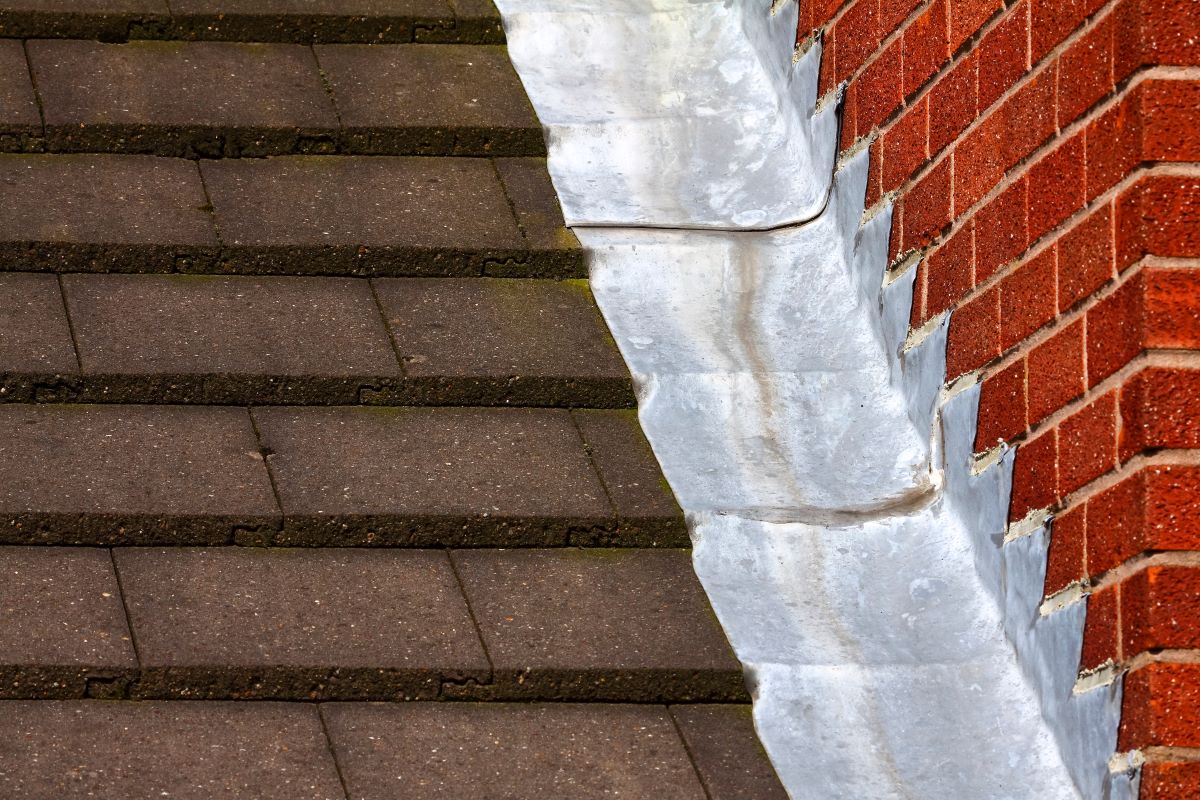
Roof flashing is a thin, weatherproof material installed at critical joints and seams in your roofing system. Its main job is to redirect water away from areas where your roof meets vertical surfaces or where there are interruptions in the roof plane—like around chimneys, vents, skylights, and roof valleys.
Without properly installed flashing, these weak spots would be vulnerable to water intrusion, leading to interior leaks, wood rot, or mold growth.
Where Is Roof Flashing Installed?
Roof flashing is used in various parts of your roofing system. Common locations include:
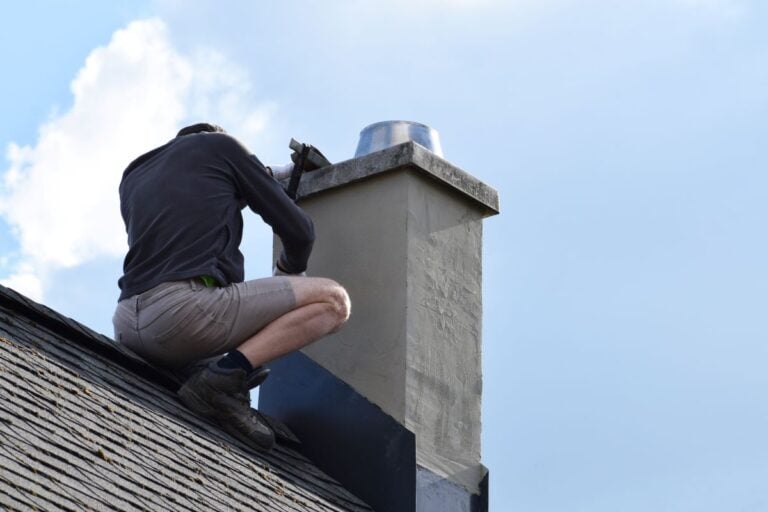
- Chimneys: Flashing surrounds the base to prevent water from running behind it.
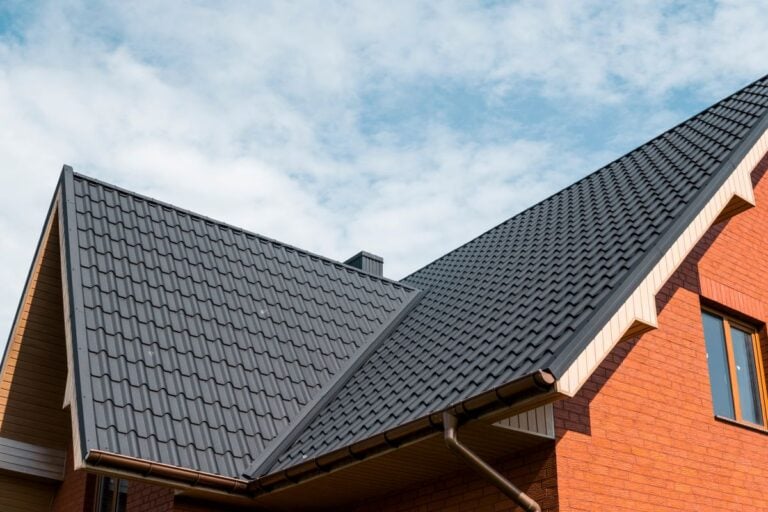
- Valleys: These inward-angled roof sections channel a lot of water and need strong protection.
- Skylights: Flashing seals the gap between the skylight frame and the roofing material.
- Vents and pipes: Pipe boots and vent stacks are sealed with specialized flashing.
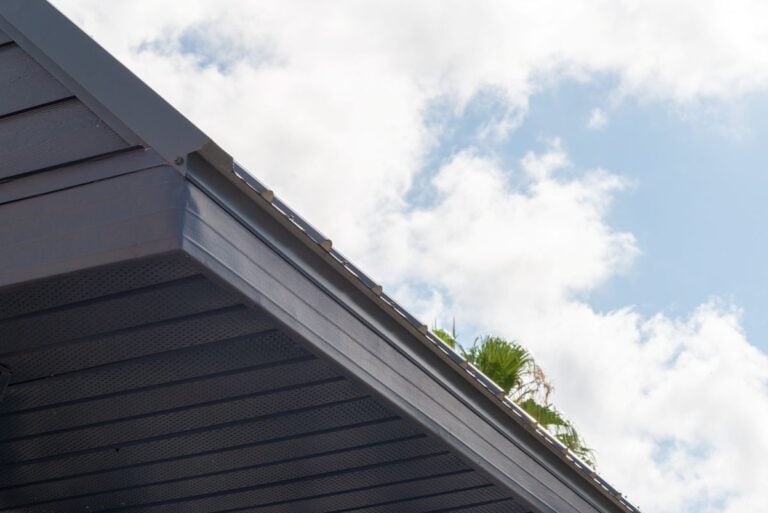
- Edges and eaves: Some systems use drip edge flashing to direct runoff into the gutters.
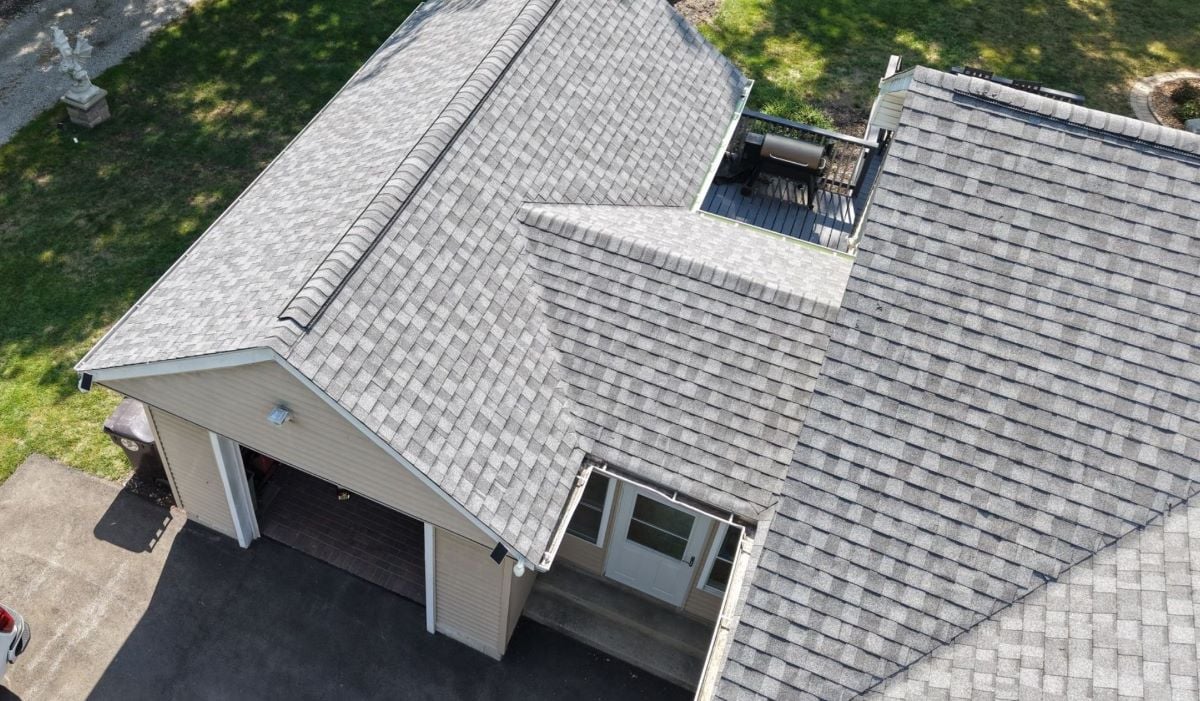
- Roof-to-wall intersections: Where the roof meets a vertical wall (like a dormer), flashing is essential.
Why Flashing Is So Important
Without roof flashing, water would have a direct path into your home at every transition point. Flashing acts as a water diversion system, keeping moisture off vulnerable materials like underlayment and the roof deck. It also:
- Extends roof lifespan: By preventing rot and mold in critical areas.
- Prevents costly repairs: Flashing failure often leads to hidden water damage that adds up over time.
- Protects attic insulation and drywall: Especially during heavy rain or snow melt.
- Supports energy efficiency: Dry insulation works better than soggy insulation.

Commonly Used Roof Flashing Materials
Flashing is typically made from waterproof, corrosion-resistant materials designed to last. The most common ones include:
1. Aluminum
- Lightweight and easy to install: Often used on standard homes.
- Corrosion-resistant: But must be coated when used with concrete or masonry.
- Lifespan: 15–20 years with proper maintenance.
2. Galvanized Steel
- Affordable and durable: A popular choice for budget-conscious projects.
- Moderate corrosion resistance: May rust over time in wet climates.
- Lifespan: 10–20 years.
3. Copper
- Premium option: Known for durability and a natural patina over time.
- Highly weather-resistant: Ideal for high-end homes or historic properties.
- Lifespan: 50+ years.
4. Lead
- Very malleable: Often used for complex flashing areas like chimneys.
- Less common today: Due to environmental concerns.
- Lifespan: 30–50 years.
5. Rubber or Synthetic Flashing
- Flexible and cost-effective: Used around pipes and vent stacks.
- Typically used with asphalt roofing: Can break down faster than metal.
- Lifespan: 10–15 years.
How Long Does Roof Flashing Last?
The lifespan of your roof flashing depends on several factors:
- Material used: Copper and lead last much longer than galvanized steel or rubber.
- Installation quality: Poorly installed flashing is prone to early failure.
- Weather exposure: Harsh winters, wind, and heavy rain in Lafayette can reduce longevity.
- Roofing materials: Flashing may wear faster on older roofs that need replacement.
In general, flashing should last as long as your roof. But if it was poorly installed or made from low-quality materials, it may need replacement sooner.
Signs Your Roof Flashing Needs Attention
You don’t need to be on the roof to suspect flashing issues. Watch for these signs:
- Water stains on ceilings or walls: Especially near chimneys, skylights, or upstairs bathrooms.
- Visible rust or corrosion: Metal flashing should not be flaking or discolored.
- Loose or missing shingles near roof edges or transitions
- Dripping sounds in walls during rainstorms
- Musty attic odors: May indicate hidden leaks around failed flashing.

Can You Repair Roof Flashing?
In many cases, yes. If the issue is isolated—like a loose section of flashing or minor corrosion—a qualified roofing contractor can often make a repair.
However, if multiple sections are failing, or your roof is nearing the end of its lifespan, it may be more cost-effective to replace the flashing during a full roof replacement. A thorough inspection is the best way to know for sure.
Why Lafayette Homeowners Trust Discount Roof
At Discount Roof, we understand the importance of small details—like flashing—that make a big difference in your roof’s performance. Our experienced roofing contractors inspect every flashing point during repairs or replacements to ensure your home is protected from leaks and long-term damage.
Here’s what sets us apart:
- Flashing installed to code and manufacturer specs
- High-quality materials: We don’t cut corners, especially on moisture protection
- Free inspections: We’ll assess your entire roof, including flashing and the roof deck
- Full-service roofing repairs: Whether you need a quick fix or full roof replacement
- Trusted by Lafayette homeowners: Local crews, honest pricing, and lasting results
Schedule a Flashing Inspection Today
If your roof is older, has visible leaks, or hasn’t been checked in a while, now’s the time to schedule an inspection. Roof flashing might be a small component—but when it fails, it causes big problems.
Contact Discount Roof today to schedule a free roof inspection in Lafayette and surrounding areas. We’ll check your flashing, roofing materials, and overall roof health to help you make the right call for your home and budget.
Recent Articles
The Roof Learning Center
Get Your Free Estimate Today