3 Attic Insulation Types (Pros, Cons & R-Values)

If you’re researching attic insulation types in 2026, you’re making a smart move toward improving your home’s energy efficiency and long-term comfort. For homeowners in Michigan City and surrounding areas, where winters can be bitterly cold and summers hot and humid, choosing the right insulation makes a big impact on heating and cooling costs.
In this guide, you’ll learn:
- The three most common attic insulation types
- The pros and cons of each material
- Typical R-values you can expect
Let’s explore the key differences so you can make an informed decision.
What Is R-Value and Why It Matters
R-value measures how well insulation resists heat flow. The higher the R-value, the better the material insulates. Different materials have different R-values per inch, and climate plays a major role in determining the total R-value you need.
According to the U.S. Department of Energy, most homes in colder regions like Indiana should aim for R-49 to R-60 in attic insulation to achieve optimal performance. (energy.gov)
Type 1: Fiberglass Batt Insulation
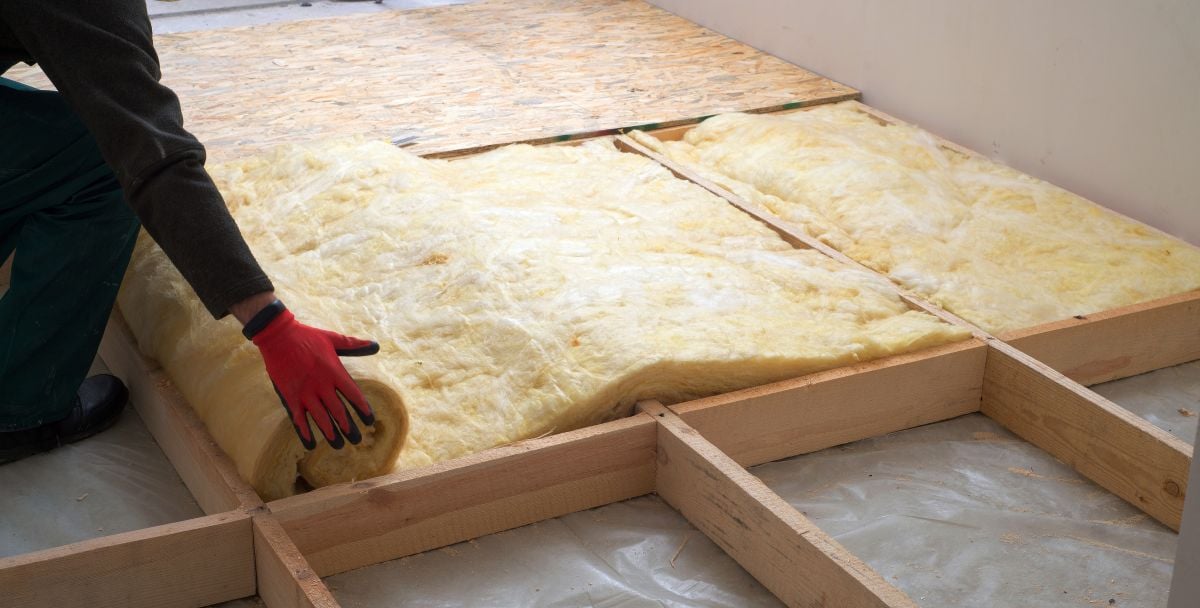
Fiberglass batt insulation is one of the most widely used types in American homes. It comes in pre-cut rolls or panels and is typically made of fine glass fibers.
Pros
- Affordable: One of the most cost-effective options
- Easy to find: Available at most home improvement stores
- DIY-friendly: Can be installed by homeowners with basic tools
Cons
- Installation gaps: Leaves gaps around irregular framing or obstructions
- Lower R-value per inch: Typically around R-3.2 to R-3.8
- Air leakage: Doesn’t seal air leaks without additional sealing
Typical R-Value
- R-3.2 to R-3.8 per inch: About R-30 with standard 10-inch thickness

Type 2: Blown-In Cellulose Insulation
Blown-in cellulose is made of recycled paper treated with fire retardant. It is installed using a blower machine, filling all gaps and voids.
Pros
- Great coverage: Fills small gaps and irregular spaces easily
- Eco-friendly: Made from 85% recycled materials
- Moderate R-value: More efficient than fiberglass batts per inch
Cons
- Settling: May compress over time, reducing effectiveness
- Dusty during install: Can be messy without proper protective gear
- Professional install preferred: Requires equipment and training
Typical R-Value
- R-3.2 to R-3.8 per inch: Comparable to high-density fiberglass batts

Type 3: Spray Foam Insulation
Spray foam is a high-performance insulation sprayed into place, where it expands to seal gaps and insulate in one step. It is available in open-cell and closed-cell versions.
Pros
- High R-value: Closed-cell foam provides superior insulation
- Air sealing: Seals leaks as it insulates
- Moisture resistant: Excellent for homes with humidity concerns
Cons
- Higher cost: One of the most expensive insulation options
- Professional installation required: Requires special equipment
- Longer install time: Needs time to cure and off-gas
Typical R-Value
- Closed-cell: R-6.0 to R-7.0 per inch
- Open-cell: R-3.5 to R-3.7 per inch

Attic Insulation Types Compared
| Insulation Type | R-Value per Inch | Installation Style | Cost Level | Best For |
| Fiberglass Batts | R-3.2 to R-3.8 | Roll-out or pre-cut | $ | DIYers, open attics |
| Blown-In Cellulose | R-3.2 to R-3.8 | Machine-blown fill | $$ | Retrofit jobs, older homes |
| Spray Foam | R-3.5 to R-7.0 | Spray application | $$$$ | Maximum efficiency and sealing |
4 Factors to Consider Before Choosing
Every attic is different, so consider these factors when deciding which insulation type is best for your home in Michigan City.
- Existing Insulation: If your attic already has some insulation, you may be able to add more of the same type, or you may need to remove and replace it if it’s damaged.
- Air Sealing Needs: Spray foam provides built-in air sealing, while batt and blown-in options require separate sealing to prevent air leaks.
- Budget: Fiberglass is the least expensive option. Spray foam has the highest upfront cost but offers better long-term energy savings.
- Access and Layout: Tight or irregular attic spaces may benefit from blown-in or spray foam insulation for better coverage.
Professional or DIY?
Some types of insulation are easier for homeowners to install on their own. Fiberglass batts are often DIY-friendly. Blown-in cellulose and spray foam usually require professional equipment and experience.
If your attic is difficult to access or needs additional prep like air sealing, professional installation is likely your best option.
Why Michigan City Homeowners Choose Discount Roof
At Discount Roof, we understand that attic insulation plays a crucial role in home comfort and energy efficiency. That’s why our team doesn’t just offer roofing solutions—we also assess your attic insulation and recommend options tailored to your home.
We help homeowners in Michigan City and surrounding areas:
- Choose the right insulation based on attic size, roof layout, and climate
- Understand the pros and cons of each material
- Ensure proper installation that meets current energy codes
Our work is backed by workmanship warranties and on-site project managers to ensure your insulation upgrade goes smoothly.
Get a Free Estimate
Ready to improve your attic insulation in 2026? Whether you’re adding more material or replacing what’s there, Discount Roof can help. We offer free, no-pressure estimates for Michigan City homeowners looking to make smarter, more energy-efficient choices.
Contact us today to schedule your attic inspection and get expert guidance on choosing the right insulation type for your home.
Recent Articles
The Roof Learning Center
Get Your Free Estimate Today