Understanding the Parts of a Roof (5 Parts Explained)
For many homeowners, understanding the different parts of a roof can make it easier to spot potential issues and protect one of your home’s most important investments. A well-built roofing system isn’t just shingles and nails—it’s a series of layers working together to keep your home safe, dry, and energy-efficient. Knowing how each component functions can help you make informed decisions about maintenance, repairs, and replacements.
- Roof anatomy: Learn what each layer does and why it matters.
- Maintenance insight: Identify small problems before they become expensive repairs.
- Professional support: Know when to call a trusted local contractor for help.
Why It’s Important to Know the Parts of a Roof
Understanding the components of your roof helps you recognize early signs of wear, make informed repair decisions, and protect your investment over time. Each part of a roofing system plays a specific role in keeping your home safe, dry, and efficient. By knowing how these pieces work together, homeowners can better communicate with contractors, avoid unnecessary costs, and extend the lifespan of their roof.
The Roof Deck: The Foundation Beneath It All
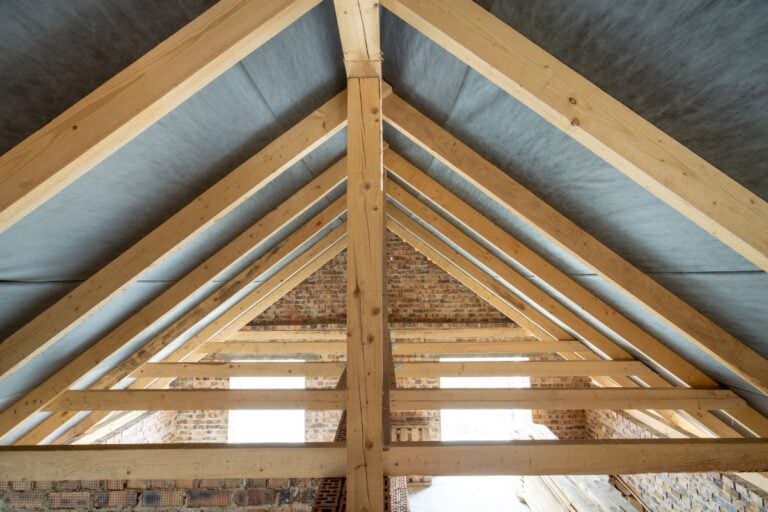
Before anything else goes on, the roof deck, or sheathing, forms the solid base for your entire roofing system. This surface, typically made from plywood or oriented strand board (OSB), connects directly to your home’s framing and supports every other roofing layer above it.

Why the Roof Deck Matters
A strong roof deck ensures structural integrity, prevents sagging, and provides a secure surface for nails and fasteners. Over time, moisture damage or improper ventilation can cause decking to warp or rot, leading to costly structural repairs.
- Moisture damage: Prolonged leaks can weaken the deck and compromise your roof’s support.
- Inspection tip: During a roof replacement, reputable contractors always inspect and replace any damaged decking before installing new materials.
Underlayment: The Hidden Layer of Protection
Right above the roof deck sits the underlayment—a protective barrier designed to keep water out. Although homeowners rarely see it, this layer plays a vital role in keeping your attic and insulation dry.
Types of Underlayment
Different materials offer varying levels of protection depending on climate and roof type.
- Felt underlayment: A traditional and cost-effective option made from asphalt-saturated material.
- Synthetic underlayment: Lightweight, tear-resistant, and increasingly common for modern roofs.
- Ice and water shield: An adhesive waterproof membrane added around eaves, valleys, and other leak-prone areas.
Why It’s Important
Underlayment provides backup protection in case shingles are damaged or displaced by wind or debris. It’s your roof’s last line of defense before moisture reaches the deck.
Roof Flashing: The Unsung Hero Against Leaks
Roof flashing is one of the most critical, yet often overlooked, parts of a roof. Made from thin sheets of metal—typically aluminum or galvanized steel—flashing seals joints and directs water away from vulnerable areas.
Where You’ll Find Flashing
Flashing appears anywhere your roof meets a vertical surface or has a gap in materials.
- Chimneys and vents: Metal flashing seals gaps to prevent leaks around openings.
- Valleys: Flashing redirects water that collects where two slopes meet.
- Eaves and edges: Keeps runoff from sneaking under shingles.
Common Flashing Issues
Over time, flashing can loosen, corrode, or crack. Routine inspections can prevent water intrusion and interior damage.
- Corrosion: Metal can rust or deteriorate if not properly sealed.
- Improper installation: Misaligned or missing flashing is one of the most common causes of roof leaks.
Shingles: The First Line of Defense
Shingles are the visible part of your roof—and the one most homeowners think of first. They serve as the roof’s protective shell, shielding your home from rain, snow, UV rays, and wind.

Popular Types of Shingles
Different materials provide different benefits depending on budget, appearance, and lifespan.
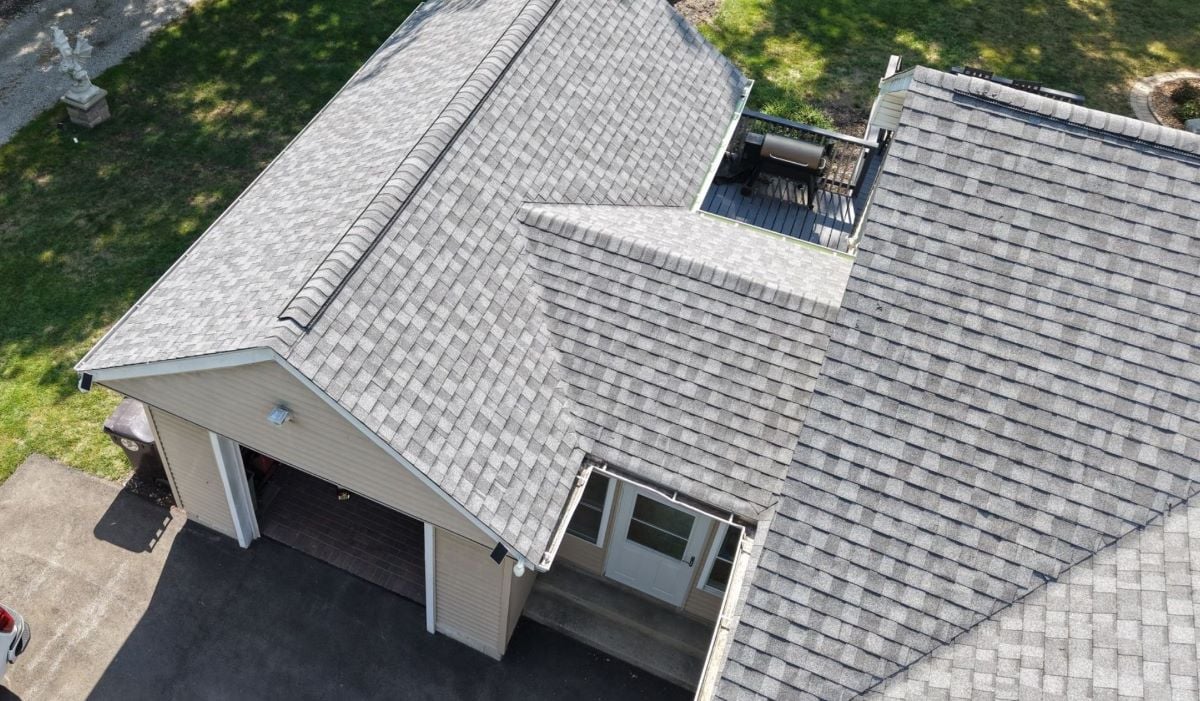
- Asphalt shingles: Affordable, versatile, and easy to install; the most common choice for Indiana homeowners.
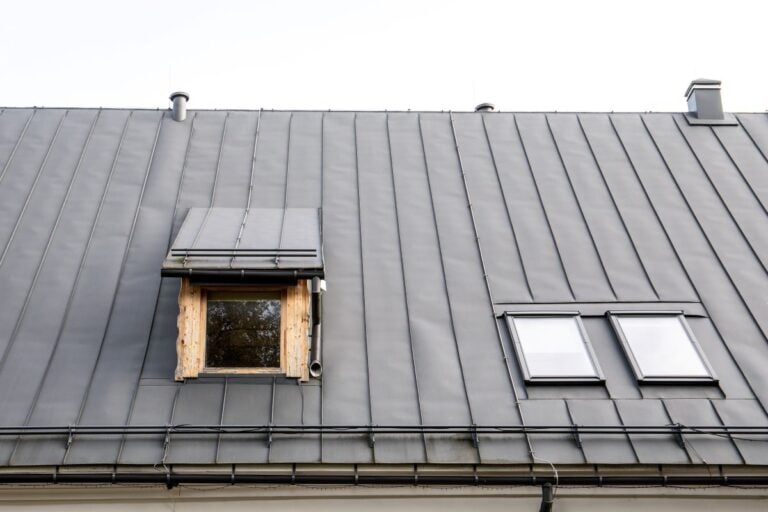
- Metal roofing: Long-lasting, energy-efficient, and available in many colors and styles.
- Architectural shingles: Thicker and more durable than standard three-tab shingles, offering enhanced curb appeal.
Shingle Maintenance Tips
Even the best shingles require occasional attention to stay in top condition.
- Visual checks: Look for curling, missing, or cracked shingles after major storms.
- Gutter cleaning: Keep gutters clear so water drains properly and doesn’t back up under shingles.
- Timely repairs: Address small problems early to extend the life of your roof.
Roof Ventilation: Keeping Your Home Balanced
Proper ventilation allows air to circulate through your attic, reducing moisture buildup and helping regulate indoor temperatures. It’s one of the most important yet misunderstood aspects of a healthy roofing system.
How Roof Ventilation Works
Ventilation relies on intake and exhaust vents that create airflow through your attic.
- Soffit vents: Located under the eaves, these allow cool air to enter.
- Ridge vents: Found along the roof’s peak, they let hot air escape.
- Gable vents: Installed on exterior walls near the attic for additional airflow.
Why It Matters
Balanced ventilation prevents issues like mold growth, warped decking, and ice dams in winter. It also helps extend the life of your shingles by reducing heat buildup beneath the surface.
Gutters and Downspouts: Directing Water Away from Your Home
Although gutters are technically separate from the roof structure, they play a vital role in its performance. Without them, rainwater would pool near your foundation, leading to erosion or basement leaks.

Gutter Maintenance Basics
Regular cleaning and inspection ensure your gutters continue to protect your roof and home.
- Clog prevention: Keep leaves and debris clear to maintain proper drainage.
- Secure attachments: Ensure gutters are firmly connected and angled correctly.
- Downspout extensions: Direct water several feet away from the foundation to prevent moisture problems.
5 Red Flags That Indicate Roof Problems
Understanding how the parts of a roof work helps you spot trouble early. Watch for these warning signs during seasonal inspections or after severe weather.
- Missing shingles: Even a few missing shingles can expose underlayment and lead to leaks.
- Granule loss: Check your gutters for loose shingle granules—an indicator of aging material.
- Sagging areas: A dip in the roofline may signal structural damage to the decking or framing.
- Rusty flashing: Corroded flashing allows water to seep into vulnerable spots.
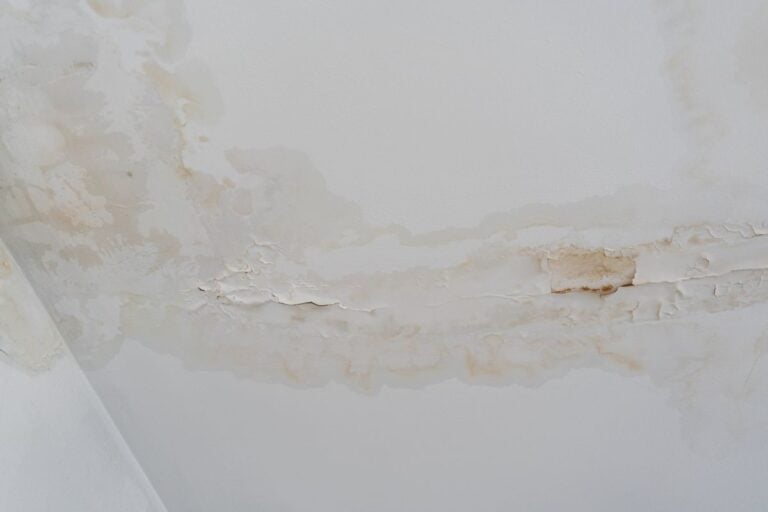
- Peeling paint or ceiling stains: Moisture issues often show up indoors first.
If you notice any of these red flags, contact a trusted local roofer for a professional inspection.

Protect Your Home from the Top Down
Your roof is more than just shingles—it’s a complete system designed to protect your home from the elements. Understanding the parts of a roof helps homeowners make smarter choices about maintenance, materials, and contractors. When it’s time for repairs or replacement, work with professionals who value craftsmanship and honesty.
Discount Roof has proudly served homeowners across Northwest Indiana for more than 30 years. Our team offers free estimates, flexible financing options, and workmanship warranties that back every job. Contact us for your free estimate and see why local homeowners trust Discount Roof for reliable roofing solutions built to last.

Recent Articles
The Roof Learning Center
Get Your Free Estimate Today