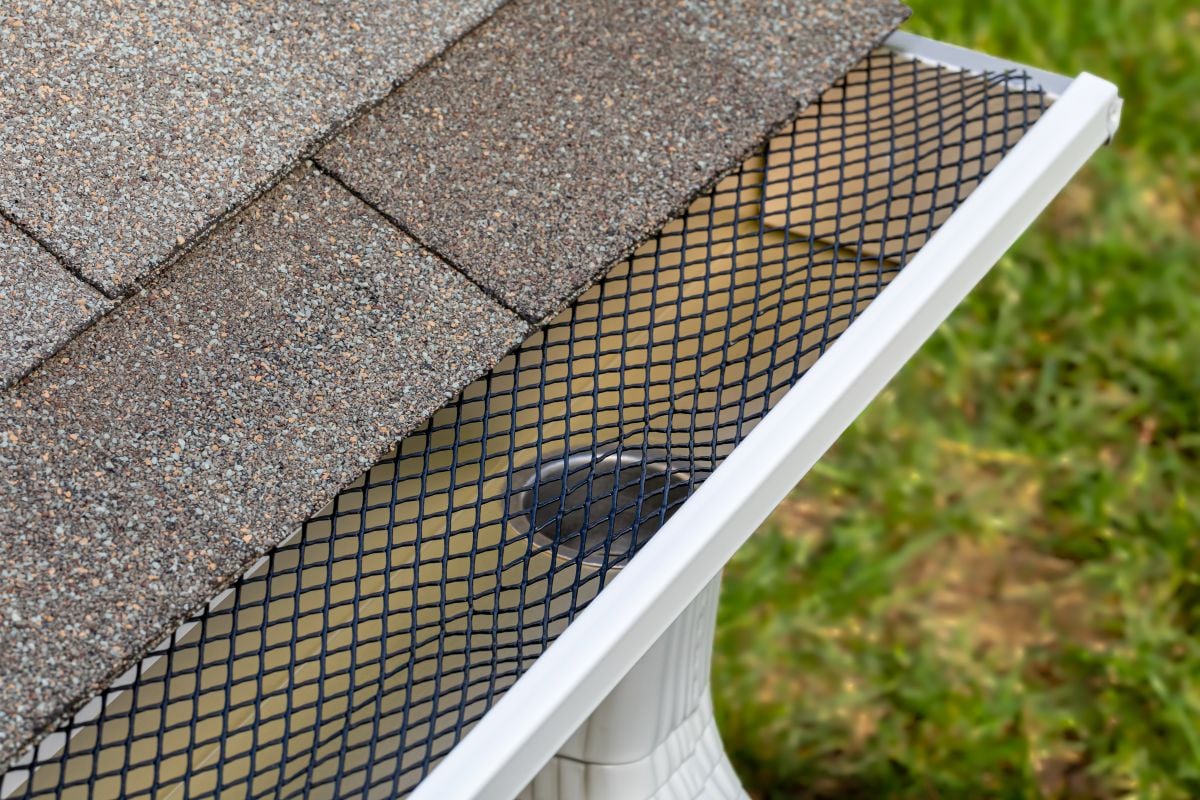
Do Gutter Guards Work? (2026 Honest Review)

If you are wondering do gutter guards work, the answer depends on the type of guard, installation quality, and your home’s environment. Gutter guards are designed to reduce debris buildup and improve water flow, but they are not completely maintenance free. For homeowners in Hammond and surrounding areas, where leaves, snow, and seasonal storms are common, understanding how gutter guards actually perform can help you make the right decision.
In this guide, you will learn:
- How gutter guards work: What they are designed to do
- Pros and limitations: The real benefits and drawbacks
- Types of gutter guards in 2026: Which options perform best
- Whether they are worth it: Honest insights for homeowners
Let’s take a realistic look at gutter guards and how they perform in real world conditions.
What Are Gutter Guards?

Gutter guards are protective covers or inserts installed over or inside your gutters to keep leaves, twigs, and debris out while allowing water to flow through. They are designed to reduce clogging and minimize the need for frequent cleaning.
In Hammond and surrounding areas, gutters can quickly fill with debris due to nearby trees and seasonal weather. Gutter guards act as a barrier that helps keep water moving through the system more efficiently.
- Debris blocking: Prevents leaves and large particles from entering gutters
- Water filtration: Allows rainwater to pass through openings
- Reduced maintenance: Limits how often gutters need cleaning
While they are helpful, they are not a complete replacement for maintenance.
Do Gutter Guards Actually Work?
Gutter guards do work, but their effectiveness depends on the type you choose and how well they are installed. High quality systems can significantly reduce debris buildup, while lower quality options may clog or fail over time.
It is important to understand that gutter guards are designed to reduce maintenance, not eliminate it entirely. Fine debris such as shingle granules or small particles can still accumulate inside the system.
- Effective for large debris: Blocks leaves, sticks, and pine needles
- Less effective for fine debris: Small particles may still enter
- Performance varies by type: Not all guards deliver the same results
The key is choosing the right system for your specific environment.
6 Types of Gutter Guards in 2026
There are several types of gutter guards available, each with different performance levels. Understanding the differences helps you choose the best option for your home.
1. Mesh Gutter Guards
Mesh guards use a fine metal or plastic screen to filter out debris while allowing water to pass through.
Mesh systems are one of the most popular options because they strike a balance between performance and cost. High quality micro mesh designs can block even small debris while maintaining strong water flow.
- Fine filtration: Blocks leaves and smaller debris
- Durable materials: Often made from stainless steel or aluminum
- Moderate cost: Affordable compared to premium systems
Mesh guards are a strong all around choice for most homes.
2. Reverse Curve Guards
Reverse curve systems direct water into the gutter while guiding debris over the edge and onto the ground.
These systems rely on surface tension to pull water into the gutter opening. While effective in some conditions, they can struggle during heavy rainfall.
- Debris shedding design: Encourages leaves to slide off
- Visible profile: More noticeable from the ground
- Mixed performance: May overflow in heavy storms
Installation precision is critical for proper function.
3. Foam Inserts
Foam gutter guards sit inside the gutter and block debris while allowing water to pass through the porous material.
They are easy to install but may break down over time due to moisture exposure and debris accumulation.
- Simple installation: Fits directly into existing gutters
- Low upfront cost: Budget friendly option
- Shorter lifespan: May require replacement more frequently
Foam inserts are best suited for temporary or low cost solutions.
4. Brush Guards

Brush style guards resemble large pipe cleaners placed inside the gutter. They trap debris on top while water flows around them.
These are easy to install but require regular cleaning to remove trapped debris.
- Easy setup: No special tools required
- Debris collection: Leaves sit on top of brushes
- Higher maintenance: Requires frequent clearing
Brush guards are not ideal for long term low maintenance performance.
5. Micro Mesh Systems
Micro mesh gutter guards are a premium option designed to block even the smallest debris while allowing water through.
These systems are often professionally installed and provide some of the best performance available.
- Superior filtration: Blocks fine particles and shingle granules
- High durability: Built for long term use
- Professional installation: Ensures proper fit and performance
Micro mesh systems are often considered the most effective option.
6. Perforated Metal Covers
Perforated guards use solid metal sheets with small holes to allow water in while blocking debris.
They are durable but may allow smaller particles to pass through over time.
- Strong construction: Resistant to weather and impact
- Moderate filtration: Blocks larger debris effectively
- Long lifespan: Durable material options
These provide a balance between strength and performance.
Benefits of Gutter Guards
Installing gutter guards offers several advantages for homeowners looking to reduce maintenance and improve drainage.
- Less frequent cleaning: Reduces the need for seasonal gutter cleaning
- Improved water flow: Helps prevent clogs and overflow
- Extended gutter lifespan: Reduces wear caused by debris buildup
- Pest prevention: Limits nesting areas for insects and small animals
For homeowners in Hammond, these benefits can make a noticeable difference throughout the year.
Limitations You Should Know
While gutter guards are helpful, they are not perfect. Understanding their limitations helps set realistic expectations.
- Not maintenance free: Occasional cleaning is still required
- Upfront cost: Higher quality systems require investment
- Installation matters: Poor installation reduces effectiveness
- Debris accumulation on top: Some guards require surface cleaning
Knowing these limitations helps you choose the right system.
Are Gutter Guards Worth It?
For many homeowners, gutter guards are worth the investment, especially if your home is surrounded by trees or experiences frequent debris buildup.
They reduce maintenance time, improve water flow, and help protect your home from water damage. However, the value depends on choosing the right type and ensuring proper installation.
In Hammond and surrounding areas, where weather conditions can be unpredictable, gutter guards provide an added layer of protection against clogging and overflow.
Why Hammond Homeowners Trust Discount Roof

At Discount Roof, we help homeowners choose the right gutter guard system based on their home’s layout and environment. Homeowners in Hammond and surrounding areas trust us because we focus on honest recommendations and long term performance.
We provide:
- Professional gutter inspections and system evaluations
- High quality gutter guard options tailored to your needs
- Expert installation for maximum effectiveness
- Clear pricing with no unnecessary upsells
Our goal is to help you reduce maintenance while protecting your home.
Make a Smarter Decision About Gutter Protection
So, do gutter guards work? Yes, when you choose the right system and have it installed properly. They are a valuable upgrade that can reduce maintenance and improve your home’s drainage performance.
If you are considering gutter guards, contact Discount Roof today for expert guidance in Hammond and surrounding areas. Our team will evaluate your gutters, explain your options, and help you choose a system that delivers real results.

Get Your Free Estimate Today