Flat Roof Insulation (Options, Cost & Benefits)
Choosing the right flat roof insulation system is one of the most important decisions property owners can make for long term energy efficiency and building protection. Flat roofs require specialized insulation solutions to manage moisture, regulate interior temperatures, and support structural performance. For property owners in Merrillville and surrounding areas, understanding insulation options and costs can help reduce energy bills and extend roof lifespan.
In this guide, you will learn:
- The most common flat roof insulation options
- Average 2026 cost estimates
- Key performance benefits
- How to choose the right system for your building
Let’s explore how proper insulation can transform the performance of a flat roofing system.
What Is Flat Roof Insulation?

Flat roof insulation is a layer of thermal resistant material installed above or below the roof deck to reduce heat transfer between the interior and exterior of a building. Because flat roofs have minimal slope, they are more vulnerable to heat buildup and moisture accumulation compared to pitched roofs.
In Merrillville, where summers can be humid and winters bring freezing temperatures, insulation plays a crucial role in maintaining indoor comfort. A properly insulated flat roof reduces HVAC strain and protects structural components from condensation related damage.
- Thermal resistance: Slows heat movement through the roof assembly
- Moisture control: Helps prevent condensation and mold growth
- Energy savings: Reduces heating and cooling costs year round
Flat roof insulation works alongside ventilation and waterproof membranes to create a complete roofing system.
4 Main Flat Roof Insulation Options
There are several insulation materials designed for flat roofing systems. Each option offers different levels of thermal performance, moisture resistance, and cost efficiency. Understanding these differences helps you choose the best fit for your property.
Below are four of the most common flat roof insulation types used in residential and commercial buildings.
1. Polyisocyanurate (Polyiso) Insulation
Polyiso is one of the most widely used flat roof insulation materials. It comes in rigid foam boards and offers high R values per inch of thickness, making it a popular choice for energy efficient construction.
- High thermal performance: Delivers strong insulation in thinner layers
- Lightweight design: Easy to install without adding excessive roof load
- Compatible with multiple membranes: Works with TPO, EPDM, and PVC systems
Polyiso is commonly installed in new construction and reroofing projects throughout Merrillville and surrounding areas due to its balance of performance and cost.
2. Expanded Polystyrene (EPS)
EPS insulation is another rigid foam option that provides reliable thermal resistance. It is often used in flat roofing assemblies where cost efficiency is a priority.
- Affordable material cost: Lower upfront investment compared to polyiso
- Moisture resistance: Performs well in controlled environments
- Custom thickness options: Allows flexibility in design
While EPS may not offer the highest R value per inch, it remains a practical choice for many property owners.
3. Extruded Polystyrene (XPS)
XPS insulation offers enhanced moisture resistance compared to EPS. It is frequently used in inverted or protected membrane roof systems where insulation is installed above the waterproof membrane.
- Strong compressive strength: Supports foot traffic and rooftop equipment
- Excellent moisture resistance: Performs well in damp conditions
- Consistent R value: Maintains thermal performance over time
XPS is especially useful in flat roofs exposed to fluctuating moisture levels.
4. Spray Polyurethane Foam (SPF)

SPF insulation is applied as a liquid that expands into a solid foam layer. It creates a seamless barrier that combines insulation and waterproofing benefits.
- Seamless coverage: Reduces gaps and air leaks
- High R value: Strong thermal performance per inch
- Custom application: Conforms to irregular roof surfaces
SPF is often used in retrofit projects where improved insulation and waterproofing are both desired.
Flat Roof Insulation Cost in 2026
Insulation costs vary depending on material type, thickness, roof size, and labor requirements. In 2026, property owners in Merrillville and surrounding areas can expect the following general cost ranges for flat roof insulation installation.
| Insulation Type | Average Installed Cost per Sq Ft |
| Polyiso | $2.00 to $4.50 |
| EPS | $1.50 to $3.50 |
| XPS | $2.50 to $5.00 |
| Spray Foam | $3.50 to $7.00 |
Several factors influence total project cost.
- Roof size: Larger roofs require more material and labor
- Thickness requirements: Higher R values increase material volume
- Existing roof condition: Damaged decking may require repairs
- Accessibility: Multi story buildings increase labor complexity
An on site inspection provides the most accurate pricing estimate.
Key Benefits of Proper Flat Roof Insulation
Investing in quality insulation offers measurable advantages beyond energy savings alone. Property owners often notice improvements in comfort, durability, and long term maintenance costs.
- Lower energy bills: Reduced heating and cooling demand
- Improved indoor comfort: More consistent temperature control
- Extended roof lifespan: Less thermal stress on roofing materials
- Moisture management: Reduced condensation risk
- Noise reduction: Added sound dampening benefits
In Merrillville, where temperature swings can be significant, insulation plays a major role in overall building efficiency.
How to Choose the Right Insulation System
Selecting the best flat roof insulation involves evaluating building design, climate conditions, and long term goals. A roofing professional can assess your structure and recommend appropriate R values and materials.
Consider the following when making your decision.
- Energy efficiency goals: Higher R values improve performance
- Budget constraints: Balance upfront cost with long term savings
- Roof membrane compatibility: Ensure insulation works with chosen system
- Moisture exposure: Choose materials suited for your climate
Professional guidance ensures your insulation supports both performance and durability.
Common Mistakes to Avoid
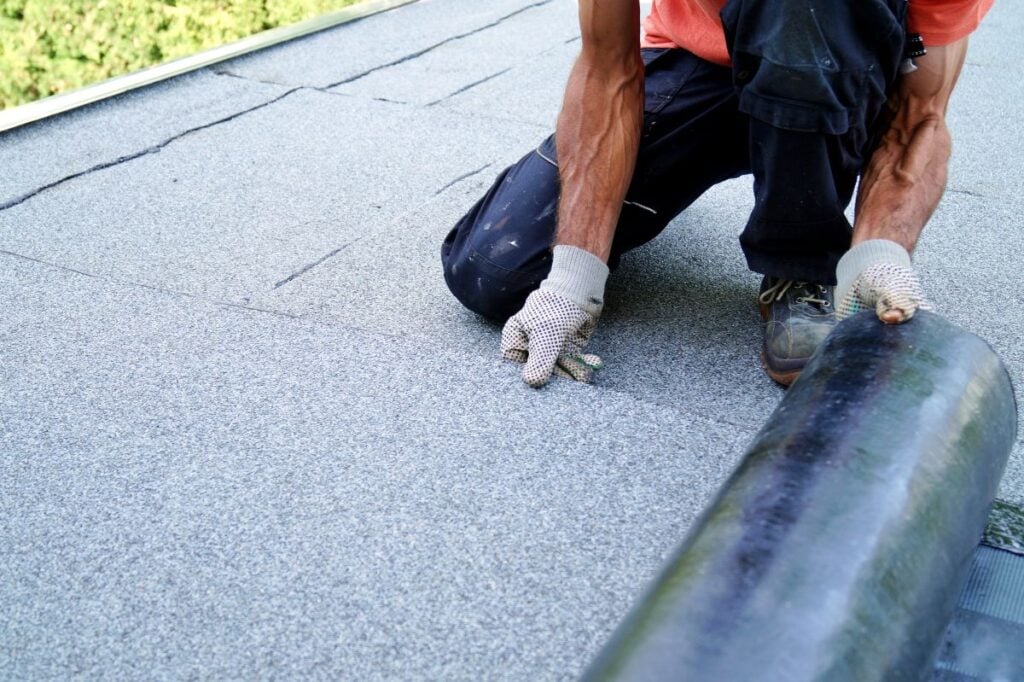
Improper insulation installation can reduce effectiveness and lead to costly repairs. Avoiding common mistakes protects your investment.
- Insufficient thickness: Low R values reduce energy savings
- Poor sealing: Gaps allow air leakage and moisture entry
- Ignoring drainage: Flat roofs must maintain proper water flow
- Skipping professional inspection: Missed issues may cause long term damage
Working with experienced contractors helps prevent these problems.
Upgrade Your Flat Roof for Better Performance
Flat roof insulation is a critical component of any high performing roofing system. From reducing energy costs to protecting against moisture damage, the right insulation material delivers measurable benefits.
If you are considering upgrading your flat roof insulation, contact Discount Roof today for a free estimate in Merrillville and surrounding areas. Our experienced team will evaluate your roof, explain your options, and help you choose an insulation system designed for lasting efficiency and protection.

Recent Articles
The Roof Learning Center
Get Your Free Estimate Today