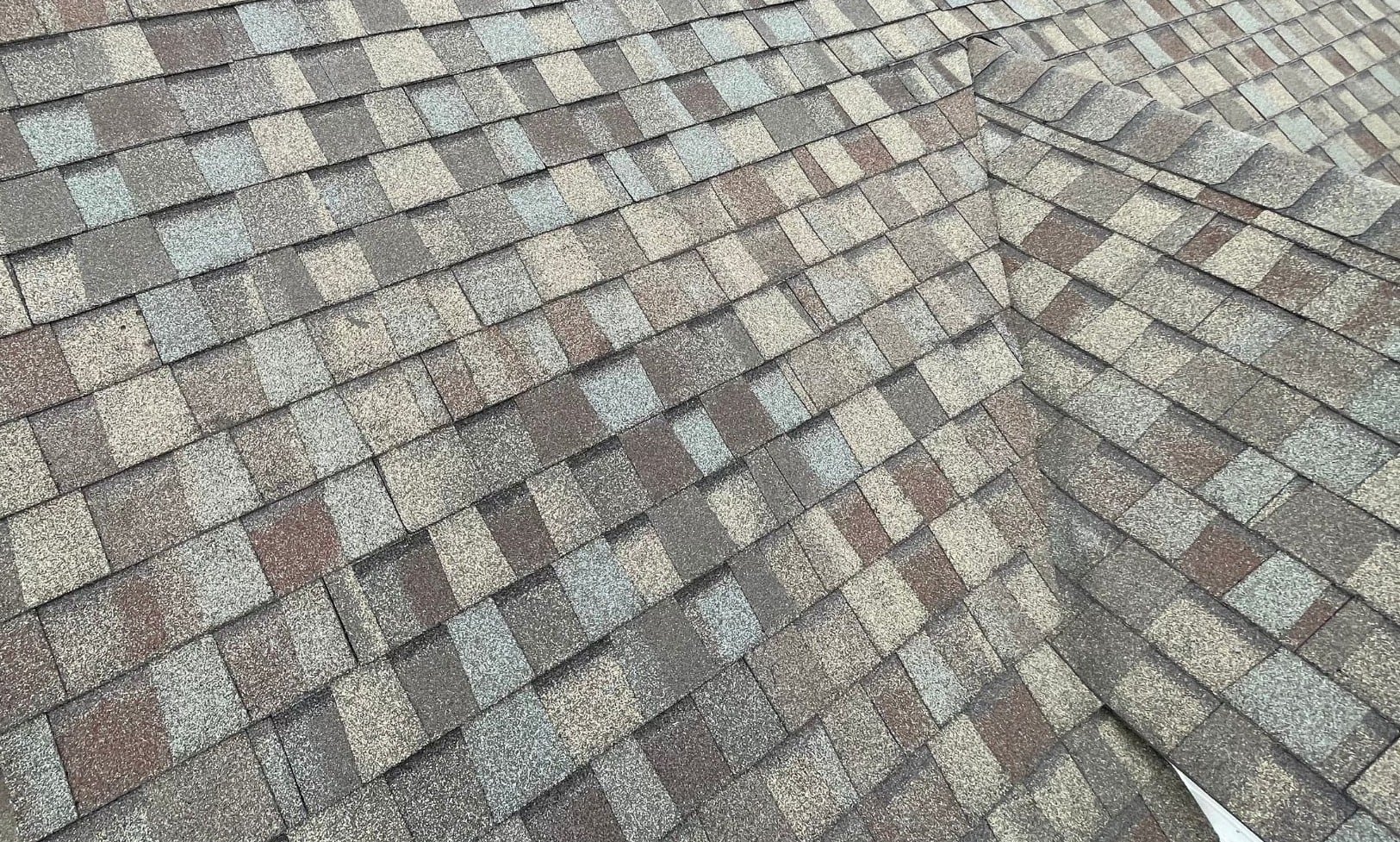
How to Check for Roof Damage After a Storm: Full Guide

Knowing how to check for roof damage after a storm can help homeowners identify problems early and prevent costly repairs. Storms can damage shingles, flashing, gutters, and other roofing components, even when issues are not immediately visible from the ground. For homeowners in Merrillville and surrounding areas, strong winds, hail, and heavy rain make post storm roof inspections especially important.
In this guide, you will learn:
- What storm damage looks like: Common warning signs to watch for
- Safe inspection methods: How to evaluate your roof carefully
- When to call a professional: Situations that require expert help
Let’s walk through the steps homeowners should take after severe weather.

Why Storm Damage Inspections Matter
Storm damage is not always obvious right away. Small issues such as lifted shingles or damaged flashing can eventually lead to leaks, mold growth, and structural damage if left untreated.
In Merrillville and surrounding areas, storms often bring strong winds, hail, and heavy rain that can weaken roofing materials over time. Performing a timely inspection helps catch problems before they worsen.
- Prevents water damage: Identifies leak risks early
- Protects roof lifespan: Reduces long term deterioration
- Supports insurance claims: Documents storm related damage quickly
A proactive inspection can save homeowners significant money and stress.
Safety Tips Before Inspecting Your Roof
Before checking for damage, safety should always come first. Storm conditions can leave roofs slippery or unstable.
Homeowners should avoid climbing onto the roof unless they have proper experience and equipment. Many inspections can begin safely from the ground.
- Wait for safe conditions: Avoid inspections during rain or high winds
- Use binoculars if possible: Inspect from the ground first
- Wear proper footwear: Reduce slipping hazards
- Avoid unstable ladders: Use caution around wet surfaces
If conditions seem unsafe, contact a professional roofing contractor instead.
7 Steps to Check for Roof Damage After a Storm
A systematic inspection helps ensure you do not overlook important warning signs. Below are seven key steps homeowners should follow.
1. Inspect the Ground Around Your Home
Start your inspection by walking around your property and looking for visible signs of roofing material damage.
Storms often leave clues on the ground before damage is visible on the roof itself.
- Check for fallen shingles: Pieces on the ground indicate roof damage
- Look for granule buildup: Excess granules near downspouts suggest shingle wear
- Inspect for tree debris: Branches may have impacted the roof
Ground level observations provide important early indicators.
2. Check Gutters and Downspouts
Gutters often collect evidence of roof damage after a storm. They should be inspected carefully for dents, debris, and granule buildup.
- Look for dented gutters: Hail and debris can damage metal surfaces
- Check for clogs: Storm debris may block water flow
- Inspect downspouts: Ensure they remain attached and functional
Damaged gutters can lead to drainage problems and leaks.
3. Examine Shingles From the Ground
Using binoculars, inspect the roof surface for visible shingle issues.
Strong winds can loosen or remove shingles, while hail may leave bruising or impact marks.
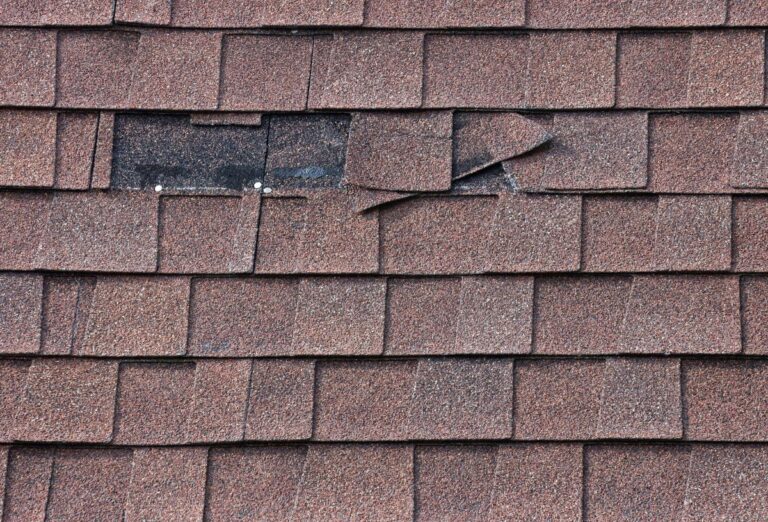
- Missing shingles: Exposed roof areas need immediate attention
- Curling or lifted shingles: Wind may have weakened adhesive seals
- Dark spots or bruising: Potential hail impact damage
Even small areas of damage can lead to future leaks.
4. Inspect Flashing and Roof Penetrations
Flashing around chimneys, vents, and skylights is especially vulnerable during storms.
- Loose flashing: Wind may pull metal components away
- Visible gaps: Openings increase leak risk
- Damaged sealant: Cracked or missing sealant needs repair
These areas are common sources of water intrusion.

5. Check the Attic for Signs of Leaks
Interior inspections are just as important as exterior checks. Your attic often reveals hidden storm damage.
- Water stains: Discoloration on wood or insulation indicates leaks
- Moisture or dampness: Signs of water intrusion
- Visible sunlight: Openings in the roof may allow light through
Attic inspections help identify problems before ceiling damage occurs.
6. Look for Ceiling and Wall Damage
Storm related roof leaks can sometimes appear inside the home before exterior damage becomes obvious.
- Ceiling stains: Brown spots may indicate roof leaks
- Peeling paint: Moisture buildup can damage interior finishes
- Warped drywall: Water intrusion may affect wall structure
Interior signs should never be ignored.
7. Schedule a Professional Roof Inspection
Even if no major damage is visible, a professional inspection is often the best way to confirm your roof’s condition.
- Hidden damage detection: Professionals identify issues homeowners may miss
- Detailed documentation: Helpful for insurance claims
- Safety advantage: Avoids risks of climbing on the roof
Professional inspections provide peace of mind after severe weather.
Common Types of Storm Damage
Different weather events create different roofing problems. Understanding these helps homeowners know what to watch for.
Wind Damage
Strong winds can loosen shingles, damage flashing, and expose underlayment.
- Lifted shingles: Increased leak risk
- Detached flashing: Weakens waterproof protection
- Debris impact: Falling branches may puncture the roof
Wind damage often worsens over time if ignored.
Hail Damage
Hail can bruise shingles and damage roof surfaces without causing immediate leaks.
- Granule loss: Reduces UV protection
- Impact marks: Soft spots weaken shingles
- Dented metal components: Visible signs of storm impact
Professional inspections are especially important after hailstorms.
Water Damage
Heavy rain can expose weaknesses in your roofing system.
- Leaks around flashing: Common during storms
- Overflowing gutters: Poor drainage causes backup
- Moisture intrusion: Leads to mold and rot if untreated
Quick action helps minimize long term damage.
What to Do If You Find Damage
If your inspection reveals damage, acting quickly helps prevent further issues.
- Document everything: Take photos of visible damage
- Avoid temporary DIY repairs: Incorrect fixes may worsen problems
- Contact your insurance company: Report storm related damage promptly
- Schedule professional repairs: Address issues before additional storms occur
Timely repairs help protect your home and investment.

Why Merrillville Homeowners Trust Discount Roof
At Discount Roof, we help homeowners identify and repair storm related roofing issues quickly and professionally. Homeowners in Merrillville and surrounding areas trust us for honest assessments and reliable service.
We provide:
- Professional storm damage inspections
- Detailed documentation for insurance claims
- High quality roof repairs and replacements
- Honest recommendations based on your roof’s condition
Our goal is to help homeowners recover confidently after severe weather.
Protect Your Home After the Next Storm
Knowing how to check for roof damage after a storm helps homeowners catch issues early and avoid costly repairs. From inspecting shingles and gutters to checking the attic for leaks, every step plays a role in protecting your home.
If your home recently experienced severe weather, contact Discount Roof today for an inspection in Merrillville and surrounding areas. Our team will evaluate your roof, explain any damage, and help restore your roof’s protection quickly and professionally.
Recent Articles
The Roof Learning Center
Get Your Free Estimate Today