How To Find a Roof Leak (8 Expert Tips)
If you are wondering how to find a roof leak, the key is knowing where to look and what warning signs to watch for before the problem gets worse. Roof leaks can start small and quietly cause damage to insulation, drywall, and structural components. For homeowners in Lafayette and surrounding areas, identifying leaks early can prevent costly repairs and interior water damage.
In this guide, you will learn:
- The most common signs of a roof leak
- Eight expert tips for locating the source
- When a leak requires professional help
- How to prevent future water intrusion issues
Let’s walk through the step by step process of tracking down a roof leak safely and effectively.
Common Signs You May Have a Roof Leak

Before you climb a ladder or inspect your attic, it is important to recognize the early warning signs of a roof leak. Many leaks are first discovered inside the home rather than on the roof itself. Paying attention to subtle changes can help you act quickly.
Water does not always drip straight down from the source. It can travel along rafters or insulation before appearing on ceilings or walls, which makes careful inspection important.
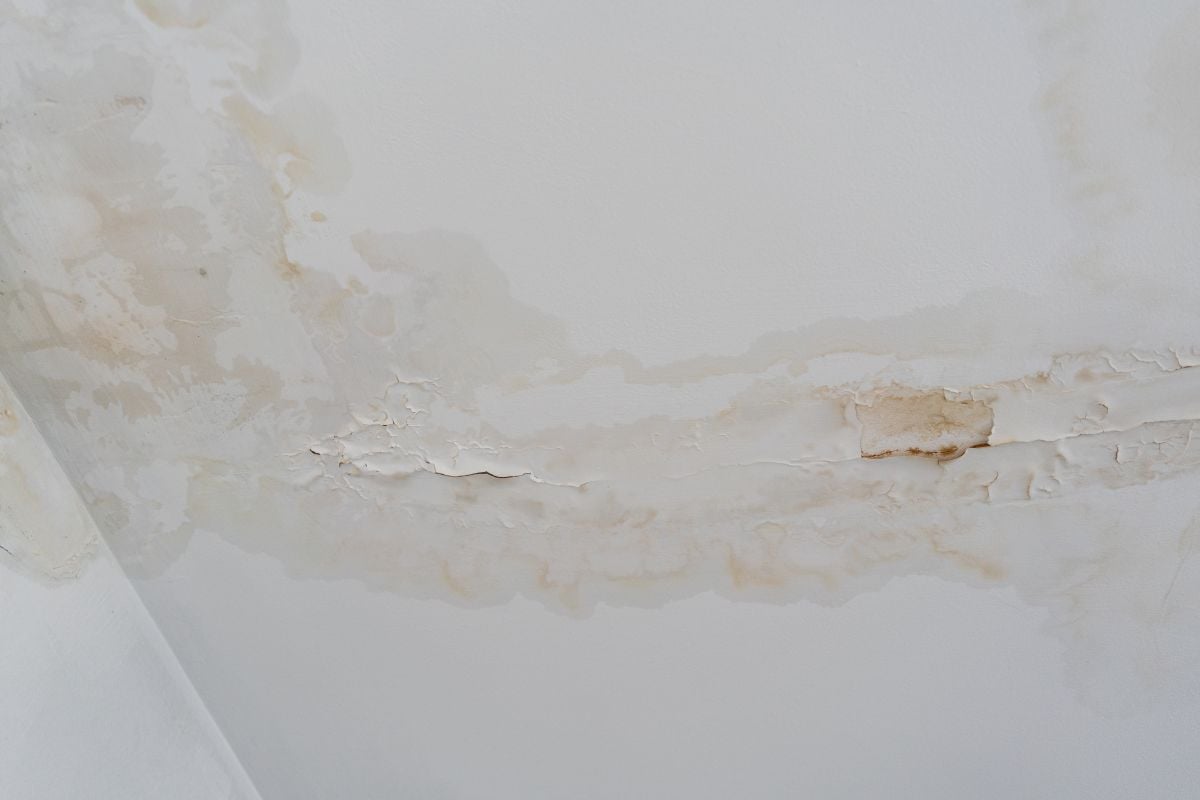
- Ceiling stains: Yellow or brown discoloration often indicates moisture intrusion
- Peeling paint or bubbling drywall: Trapped moisture can damage interior finishes
- Musty odors: Persistent damp smells may signal hidden leaks
- Dripping during storms: Active leaks often appear during heavy rainfall
If you notice any of these symptoms, it is time to begin investigating further.
8 Expert Tips for Finding a Roof Leak
Locating the exact source of a leak can be challenging because water often travels before it becomes visible. The following expert tips will help you narrow down the problem area and determine the next steps.
1. Start in the Attic
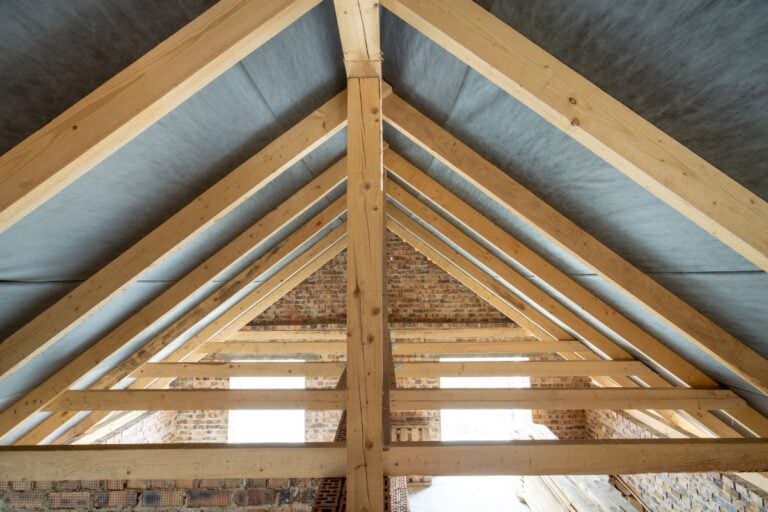
Begin your inspection inside the attic during daylight hours. Use a flashlight to check for damp insulation, water stains on rafters, or visible daylight coming through the roof boards. Look for dark streaks or mold growth along wood framing.
- Check insulation: Wet or compressed insulation indicates moisture entry
- Inspect roof decking: Look for discoloration or soft spots
- Trace water paths: Follow stain patterns upward toward the source
Attic inspections often provide the clearest clues about where water is entering.
2. Examine Roof Flashing
Flashing is installed around chimneys, vents, skylights, and valleys to prevent leaks. Over time, flashing can crack, lift, or corrode.
- Inspect metal edges: Look for rust, gaps, or separation
- Check sealant condition: Dried or cracked caulk can allow water in
- Verify tight attachment: Flashing should sit flush against surfaces
Damaged flashing is one of the most common causes of roof leaks.
3. Inspect Shingles or Metal Panels

If it is safe to access your roof, visually examine the roofing material. Missing, cracked, or lifted shingles create easy entry points for water.
- Look for missing shingles: Exposed underlayment increases leak risk
- Check for curling edges: Aging shingles may allow water underneath
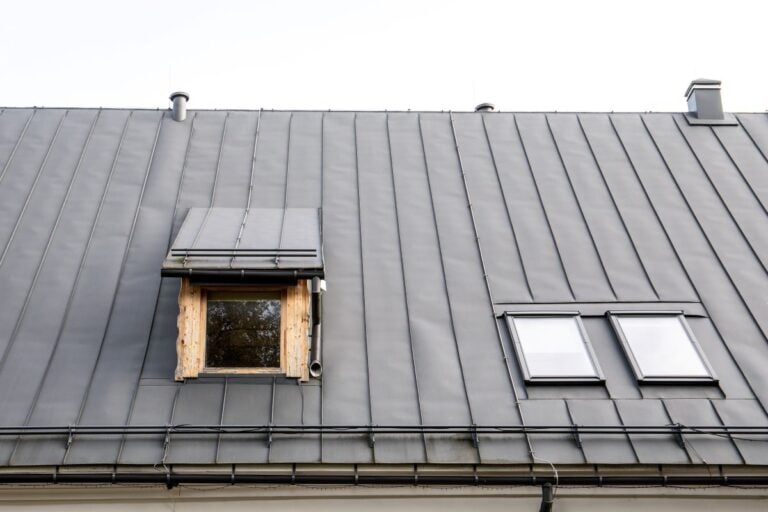
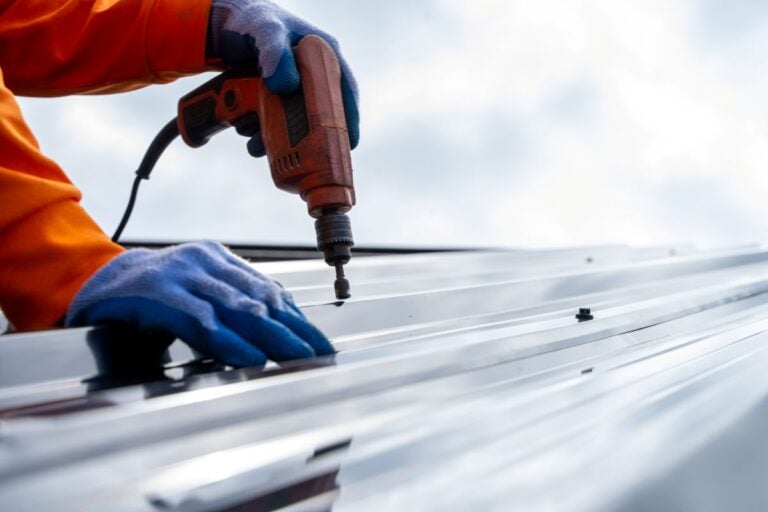
- Inspect metal panels: Ensure fasteners are secure and seams intact
Roof surface damage should be addressed quickly to prevent further deterioration.
4. Check Roof Valleys
Roof valleys handle a high volume of water during storms. Because of this, they are common leak locations.
- Look for debris buildup: Leaves can trap water in valleys
- Inspect valley flashing: Ensure it is intact and properly sealed
- Check for cracked materials: Shingles in valleys wear out faster
Keeping valleys clear improves drainage and reduces water pooling.
5. Examine Roof Penetrations
Any object that penetrates the roof surface can create vulnerability. Plumbing vents, exhaust fans, and satellite mounts should be checked carefully.
- Inspect vent boots: Cracked rubber collars can allow leaks
- Check mounting hardware: Loose fasteners create gaps
- Verify proper sealing: Sealant should be flexible and intact
Small penetration issues can lead to major interior damage if ignored.
6. Perform a Controlled Water Test
If you cannot locate the source visually, a controlled water test can help. With a helper inside the attic, use a garden hose to spray small sections of the roof one area at a time.
- Spray gradually: Focus on one section before moving to the next
- Wait several minutes: Allow time for water to travel
- Communicate clearly: Have your helper watch for drips inside
This method helps isolate the exact entry point without flooding the roof.
7. Inspect Gutters and Downspouts
Clogged gutters can cause water to back up under shingles or overflow near the foundation. Improper drainage may mimic roof leak symptoms.
- Remove leaves and debris: Ensure water flows freely
- Check gutter slope: Water should move toward downspouts
- Inspect fascia boards: Rot may indicate prolonged moisture exposure
Proper drainage plays a key role in preventing leaks.
8. Look for Signs After Storms
Storms often reveal weaknesses in roofing systems. After high winds or hail, inspect your roof from the ground using binoculars if needed.
- Check for fallen debris: Branches may damage shingles
- Look for granule loss: Excess granules in gutters can signal aging shingles
- Monitor ceilings: Watch for new stains following storms
Prompt inspection after severe weather reduces the risk of hidden damage.
When to Call a Professional Roofer
While some homeowners feel comfortable performing basic inspections, certain situations require professional evaluation. Climbing on steep or high roofs can be dangerous, and hidden damage may not be visible to the untrained eye.
If you notice recurring leaks, widespread shingle damage, or structural sagging, it is time to contact a roofing professional. An expert inspection ensures the problem is diagnosed accurately and repaired correctly.
Preventing Future Roof Leaks

Prevention is always more affordable than emergency repairs. Regular maintenance and inspections help extend the life of your roof.
- Schedule annual inspections: Catch minor issues early
- Trim overhanging branches: Reduce impact and debris buildup
- Maintain attic ventilation: Prevent condensation related leaks
- Address small repairs quickly: Minor damage can escalate fast
Homeowners in Lafayette benefit from proactive roof care, especially during seasonal weather shifts.
Stop Roof Leaks Before They Spread
Learning how to find a roof leak empowers you to take action early and prevent costly interior damage. From attic inspections to flashing checks, each step plays an important role in locating the source.
If you suspect a leak or want a professional inspection, contact Discount Roof today for a free evaluation in Lafayette and surrounding areas. We will locate the issue, recommend the right solution, and restore your roof’s protection with conf

Recent Articles
The Roof Learning Center
Get Your Free Estimate Today