Roof Decking: What It Is and When You Should Replace It

Understanding roof decking is important for homeowners because it serves as the structural foundation of the entire roofing system. While shingles, flashing, and underlayment often get the most attention, the roof deck underneath is what supports everything above it. For homeowners in Northwest Indiana and surrounding areas, knowing how roof decking works and recognizing signs of damage can help prevent costly repairs and protect the long term integrity of the home.
In this guide, you will learn:
- What roof decking is and why it matters
- Common causes of roof decking damage
- Signs that roof decking may need replacement
- What homeowners can expect during roof replacement projects
Let’s take a closer look at one of the most important components of any roofing system.
What Is Roof Decking?

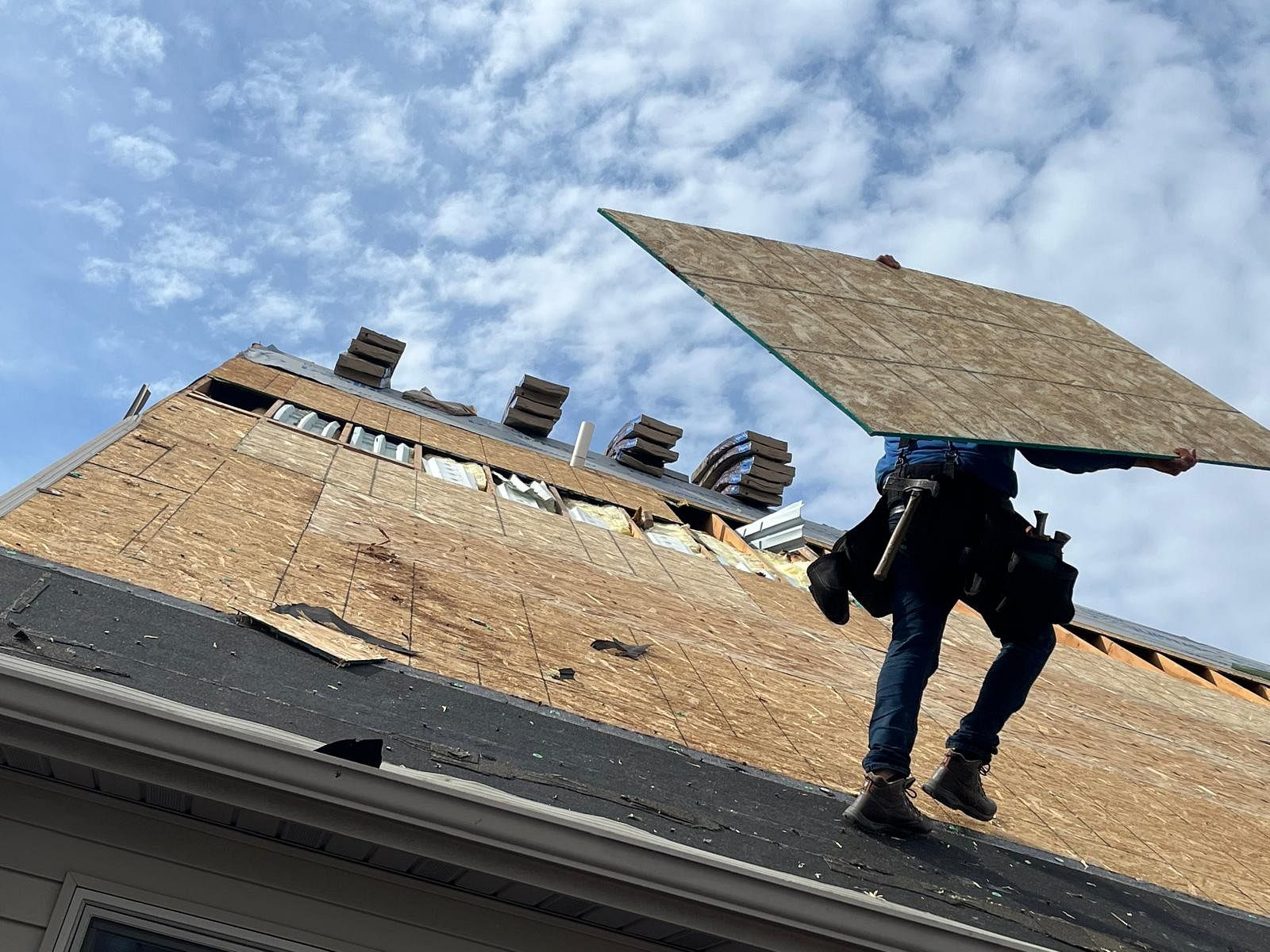
Roof decking, sometimes called roof sheathing, is the layer of wood attached directly to the roof’s structural framing. It creates the solid surface that roofing materials are installed on and helps distribute weight across the roof structure. Without roof decking, shingles, metal panels, and underlayment would have no stable foundation.
Roof decking also plays an important role in protecting the home from weather and maintaining structural stability. A strong roof deck helps roofing materials perform as intended and supports the overall lifespan of the roofing system.
- Provides a stable surface for roofing materials
- Connects to the roof framing structure
- Supports underlayment and shingles
- Helps distribute weight evenly across the roof
6 Signs Roof Decking May Need Replacement
Roof decking is designed to last for many years, but moisture, aging materials, and roof damage can eventually lead to deterioration. Below are six common signs that homeowners should watch for.
1. A Sagging Roofline
One of the most noticeable signs of roof decking problems is a roofline that appears uneven or sagging. When decking weakens, it may no longer provide adequate structural support, causing portions of the roof to dip or bow. This issue often becomes more noticeable over time as moisture damage worsens.
A sagging roof should always be taken seriously because it may indicate structural concerns beneath the roofing materials.
- Visible dips or low spots
- Uneven roof appearance
- Potential structural weakening
- Increased risk of future damage
2. Water Damage or Wood Rot
Moisture is one of the biggest threats to roof decking. When roof leaks go unnoticed, water can slowly penetrate the decking and cause wood rot. Over time, this weakens the structure and reduces its ability to support the roofing system.
Water damaged decking often requires replacement because the affected wood may no longer be structurally sound.
- Soft or spongy wood
- Dark staining on decking
- Visible signs of rot
- Ongoing moisture concerns
3. Recurring Roof Leaks
If your home experiences recurring roof leaks despite previous repairs, the problem may extend beyond the shingles. Water that repeatedly enters the roofing system can eventually damage the decking underneath. In some cases, replacing roofing materials alone will not solve the issue.
Professional roof evaluations often reveal hidden decking damage beneath leak-prone areas.
- Multiple leak locations
- Water intrusion after storms
- Damaged roofing materials
- Hidden structural deterioration
4. Mold or Mildew in the Attic
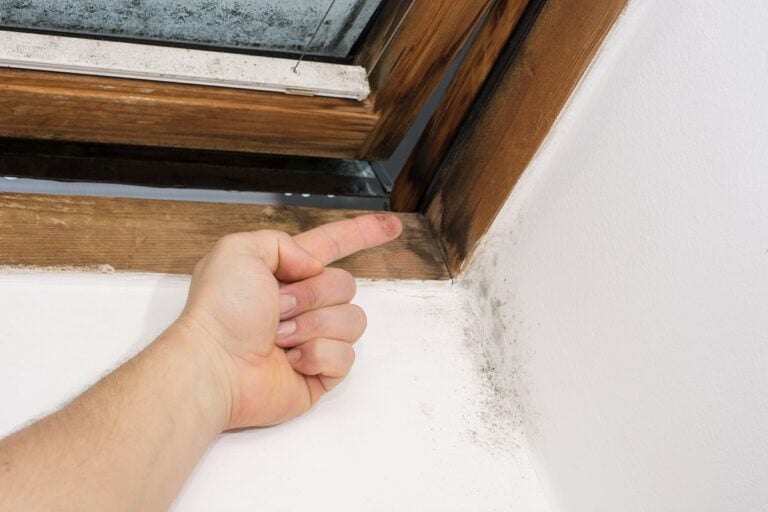
Excess moisture trapped beneath the roof can create conditions that allow mold and mildew to develop. While ventilation problems can contribute to this issue, damaged roof decking is sometimes part of the problem as well. Moisture that reaches the decking can create an environment where mold thrives.
Homeowners should investigate attic moisture problems as soon as possible to prevent additional damage.
- Musty odors in the attic
- Visible mold growth
- Excess humidity
- Signs of trapped moisture
5. Visible Daylight Through the Roof
If you can see daylight coming through the roof while inside the attic, there may be gaps or openings in the roofing system. While some openings may be related to damaged shingles or flashing, severe deterioration can also affect the roof decking itself.
Any visible opening should be evaluated promptly because it creates a direct pathway for moisture intrusion.
- Light visible through the roof
- Gaps in roofing components
- Increased leak risks
- Potential decking damage
6. Damage Found During Roof Replacement
Many decking issues remain hidden until old roofing materials are removed. During a roof replacement project, contractors often inspect the decking to determine whether it remains structurally sound. It is common for small sections of damaged decking to be discovered once the roof is exposed.
Replacing damaged decking during a roof replacement helps ensure the new roofing system has a solid foundation.
- Soft decking areas
- Hidden water damage
- Structural concerns beneath shingles
- Deteriorated wood panels
What Causes Roof Decking Damage?

Several factors can contribute to roof decking deterioration over time. Understanding these causes helps homeowners take preventative measures and address roofing problems early.
The most common cause of roof decking damage is moisture intrusion. Roof leaks, flashing failures, damaged shingles, and ice dams can all allow water to reach the decking beneath the roof surface. Once moisture becomes trapped, deterioration can occur quickly.
Other contributing factors include:
- Poor attic ventilation
- Aging roofing systems
- Storm damage
- Long term moisture exposure
- Improper roof installation
- Deferred maintenance
Regular roof maintenance helps reduce the risk of decking damage and extends roof lifespan.
Common Roof Decking Materials
Most residential roof decking is made from engineered wood products designed to provide structural strength and durability. The material used often depends on the home’s age and construction methods.
Plywood
Plywood has been used in residential roofing systems for decades and remains a reliable option. It provides strong structural support and performs well when properly protected from moisture.
- Durable and strong
- Good moisture resistance
- Common in many homes
- Long track record of performance
OSB (Oriented Strand Board)
OSB is one of the most common roof decking materials used in modern construction. It offers consistent performance and is widely used throughout the roofing industry.
- Cost effective material
- Strong structural performance
- Common in newer homes
- Widely available
Plank Decking
Older homes may have plank style decking rather than plywood or OSB sheets. These systems often require special attention during roof replacement projects.
- Common in older homes
- Made from individual wood boards
- May require upgrades
- Often inspected carefully during reroofing
Can Roof Decking Be Repaired Instead of Replaced?
Not all roof decking damage requires complete replacement. In many situations, contractors can replace only the affected sections while leaving the rest of the decking intact. The appropriate solution depends on the extent of the damage and the overall condition of the roof structure.
Localized repairs are often possible when damage is limited to a small area. However, widespread moisture damage or structural deterioration may require more extensive replacement.
- Small areas may qualify for repair
- Extensive rot often requires replacement
- Structural issues require careful evaluation
- Professional assessments determine the best solution
What Happens During Roof Decking Replacement?

When damaged decking is discovered, it is typically replaced before new roofing materials are installed. This ensures the roof has a stable and secure foundation moving forward.
The process generally involves removing roofing materials, inspecting the decking, replacing damaged sections, and then rebuilding the roofing system.
- Existing roofing materials removed
- Damaged decking sections replaced
- New underlayment installed
- Roofing materials reinstalled
Addressing decking issues during roof replacement helps maximize the lifespan and performance of the new roof.
Example: Why Roof Decking Matters
Imagine a homeowner notices a small leak around a roof vent after a heavy rainstorm. Because the leak appears minor, it is ignored for several months. During that time, moisture slowly penetrates the decking beneath the shingles.
By the time repairs are scheduled, the leak has caused multiple sections of decking to become soft and weakened from water damage. What could have been a relatively simple roof repair now requires decking replacement before the roof can be restored. This example highlights why prompt attention to roofing issues is so important.
Why Northwest Indiana Homeowners Trust Discount Roof
At Discount Roof, we help homeowners protect their investment with quality roofing solutions designed for Indiana weather conditions. Homeowners throughout Northwest Indiana and surrounding areas trust us because we focus on honest recommendations, dependable workmanship, and long term results.
We provide:
- Professional roof evaluations
- Roof repair and replacement services
- Storm damage roofing solutions
- Detailed project recommendations
- Free estimates and clear communication
Our goal is to help homeowners maintain strong, reliable roofing systems that last.
Protect Your Roof From the Foundation Up
Roof decking is one of the most important components of any roofing system, even though most homeowners never see it. A strong roof deck provides the foundation for shingles, underlayment, and every other roofing component above it. Understanding the warning signs of decking damage can help homeowners address problems early and avoid larger structural concerns.
If you’re planning a roof replacement or have concerns about the condition of your roof, contact Discount Roof today for a free estimate in Northwest Indiana and surrounding areas. Our team can explain your options, provide honest recommendations, and help ensure your home remains protected for years to come.
Get Your Free Estimate Today