Roof Sealant (7 Types, Uses & Application Tips)

Using the right roof sealant is essential for protecting your roof from leaks, weather damage, and long term deterioration. Roof sealants are designed to create a waterproof barrier around vulnerable areas such as seams, flashing, and penetrations. For homeowners in Merrillville and surrounding areas, choosing the correct sealant and applying it properly can make a major difference in roof performance.
In this guide, you will learn:
- Types of roof sealant: Which options are available
- Common uses: Where sealants are applied
- Application tips: How to get the best results
Let’s explore how roof sealants work and which options are best for your home.
What Is Roof Sealant?

Roof sealant is a protective material applied to roofing surfaces to prevent water infiltration and seal gaps or cracks. It is commonly used on both residential and commercial roofs to reinforce vulnerable areas.
In Merrillville and surrounding areas, sealants are especially important due to seasonal rain, snow, and temperature fluctuations that can cause materials to expand and contract.
- Waterproof barrier: Prevents leaks and moisture intrusion
- Flexible material: Adapts to temperature changes
- Versatile use: Works on shingles, metal, and flat roofs
Sealants are often used as part of routine maintenance or repair.
7 Types of Roof Sealant
There are several types of roof sealant available, each designed for specific materials and applications. Understanding the differences helps you choose the right product.
1. Silicone Roof Sealant
Silicone sealant is known for its strong resistance to water and UV exposure. It performs well in areas with heavy rain.
- Water resistance: Ideal for wet climates
- UV stability: Resists sun damage
- Flexible application: Adapts to movement
Silicone is commonly used on flat and low slope roofs.
2. Acrylic Roof Sealant
Acrylic sealant is a water based option that is easy to apply and environmentally friendly.
- Easy application: Simple to use and clean up
- Reflective properties: Helps reduce heat absorption
- Cost effective: Budget friendly option
It is best suited for areas with moderate weather conditions.
3. Polyurethane Roof Sealant
Polyurethane sealant provides strong adhesion and durability, making it ideal for high stress areas.
- Strong bonding: Adheres well to many surfaces
- Durable finish: Resists wear and tear
- Flexible performance: Handles expansion and contraction
This type is often used for flashing and joints.
4. Asphalt Based Sealant
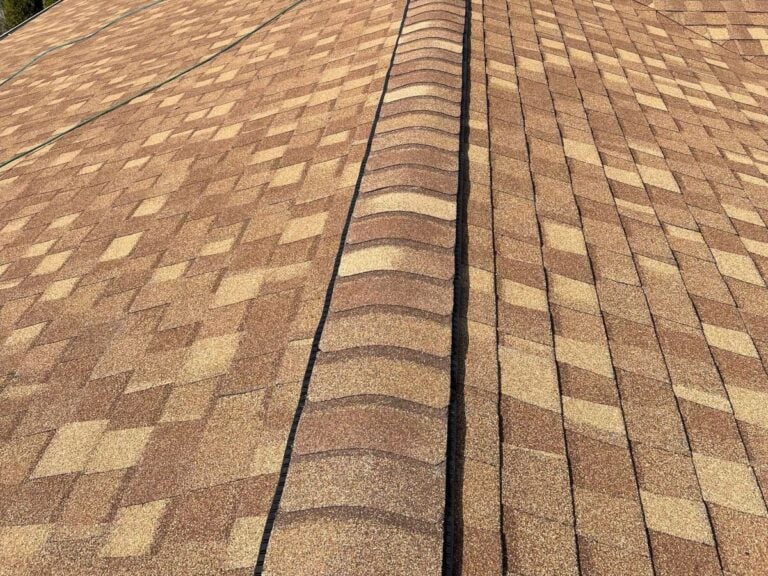
Asphalt sealants are commonly used for shingle roofs and traditional roofing systems.
- Compatible with shingles: Designed for asphalt materials
- Affordable option: Widely available
- Weather resistant: Handles typical conditions
They are a common choice for residential repairs.
5. Butyl Rubber Sealant
Butyl rubber sealant offers excellent adhesion and flexibility, especially for metal roofing.
- Strong adhesion: Bonds well to metal surfaces
- Waterproof performance: Prevents leaks effectively
- Long lasting flexibility: Maintains seal over time
It is ideal for seams and joints.
6. Liquid Rubber Sealant
Liquid rubber creates a seamless coating that covers large areas of the roof.
- Seamless application: Eliminates gaps
- High flexibility: Expands and contracts easily
- Waterproof barrier: Strong moisture protection
This is often used for flat roof systems.
7. Roof Tape Sealant
Roof tape is a quick solution for sealing small cracks and leaks.
- Easy application: Peel and stick design
- Instant seal: Provides immediate protection
- Portable option: Useful for quick repairs
It is best for temporary or minor fixes.
Common Uses for Roof Sealant

Roof sealant is applied in several key areas where leaks are most likely to occur. Understanding these areas helps homeowners maintain their roofs effectively.
Sealants are often used during repairs, maintenance, or as part of new roof installations.
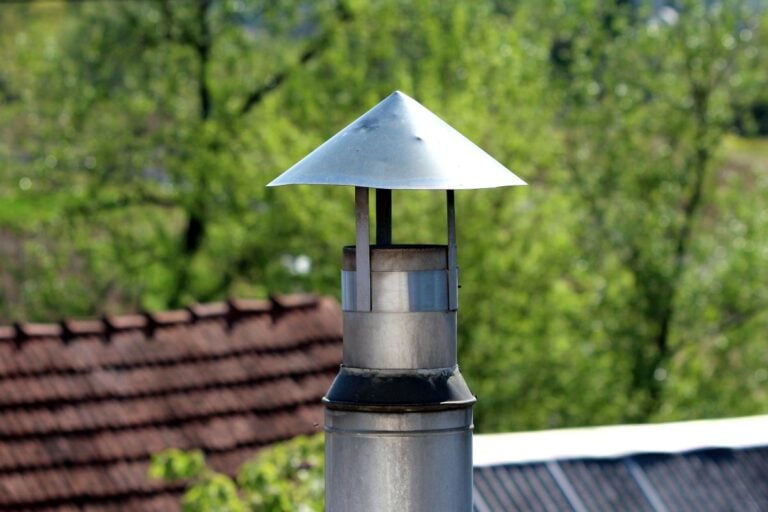
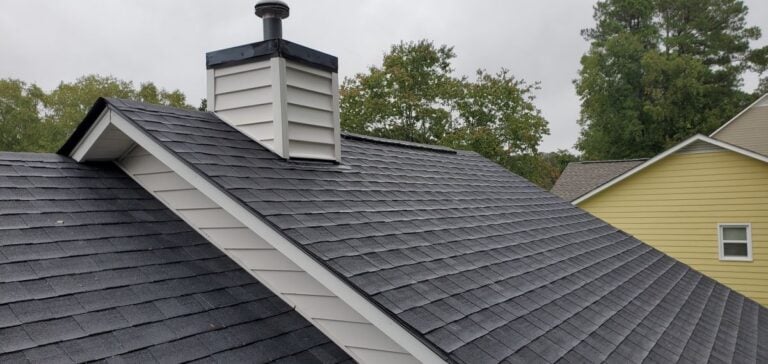
- Flashing areas: Around chimneys, vents, and skylights
- Seams and joints: Where materials meet
- Cracks and gaps: Small openings that allow water in
- Roof penetrations: Around pipes and equipment
Targeting these areas helps prevent water damage.
Application Tips for Best Results
Applying roof sealant correctly is just as important as choosing the right type. Poor application can lead to ineffective sealing and future leaks.
Surface Preparation
Before applying sealant, the surface must be clean and dry. Dirt and moisture can prevent proper adhesion.
- Remove debris: Clear dirt and loose materials
- Dry the surface: Ensure no moisture is present
- Inspect for damage: Repair major issues first
Preparation is critical for long lasting results.
Apply in Proper Weather Conditions
Temperature and weather conditions affect how sealant cures and performs.
- Avoid extreme temperatures: Moderate conditions are ideal
- No rain during application: Prevents bonding issues
- Allow proper curing time: Follow manufacturer guidelines
Timing your application improves effectiveness.
Use the Right Tools
Using appropriate tools ensures even application and better coverage.
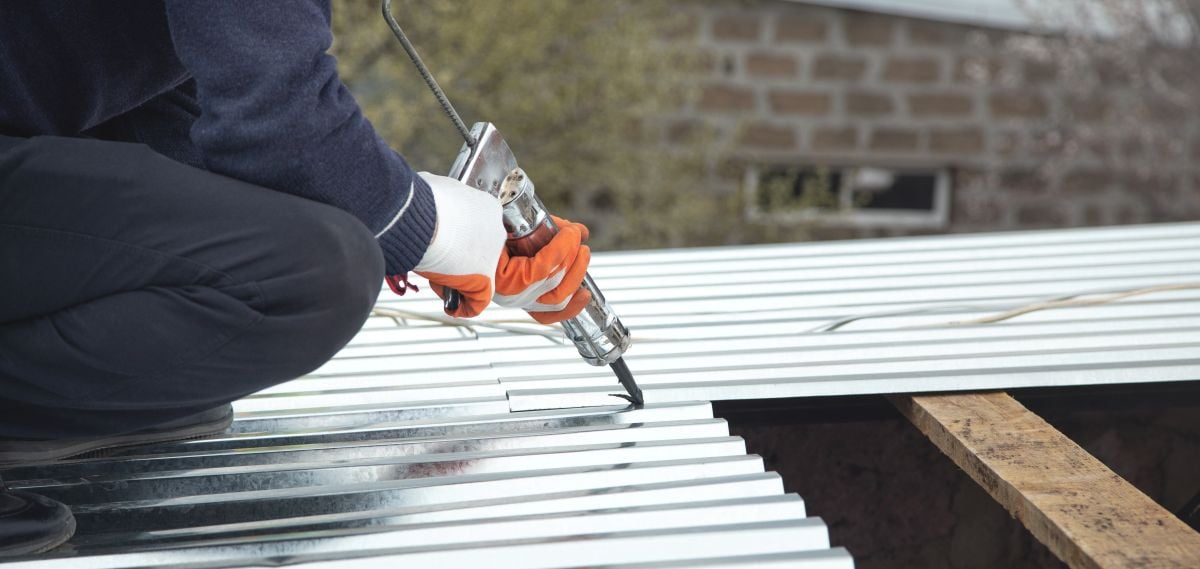
- Caulking guns: For precise application
- Brushes or rollers: For larger areas
- Protective gear: Ensure safe handling
Proper tools make the process more efficient.
When to Use Roof Sealant vs Full Repair

Roof sealant is a great solution for minor issues, but it is not always a permanent fix.
Small cracks and localized leaks can often be resolved with sealant. However, widespread damage or aging materials may require more extensive repairs or replacement.
- Use sealant for: Minor leaks and preventative maintenance
- Avoid for major damage: Structural issues require professional repair
- Evaluate roof age: Older roofs may need replacement
Understanding the limits of sealant helps prevent bigger problems.
Seal and Protect Your Roof the Right Way
Roof sealant is a valuable tool for preventing leaks and maintaining your roof’s performance. By choosing the right type and applying it correctly, you can extend the life of your roofing system and avoid costly repairs.
If you need help with roof repairs or maintenance, contact Discount Roof today for a free estimate. Our team will assess your roof, recommend the right solutions, and help keep your home protected year round.
Recent Articles
The Roof Learning Center
Get Your Free Estimate Today