Roof Trusses Explained (Structure & Benefits)
Understanding how roof trusses work can help homeowners make smarter decisions about construction, renovations, and roof replacements. Roof trusses are engineered structural frameworks that support the roof and distribute weight evenly across exterior walls. For homeowners in South Bend and surrounding areas, knowing how trusses function can provide clarity when planning additions, repairs, or full roof replacements.
In this guide, you will learn:
- What roof trusses are and how they are built
- The main components of a truss system
- Common types used in residential construction
- Key benefits compared to traditional rafters
Let’s break down the structure and advantages of roof trusses so you can better understand what supports your home.
What Are Roof Trusses?

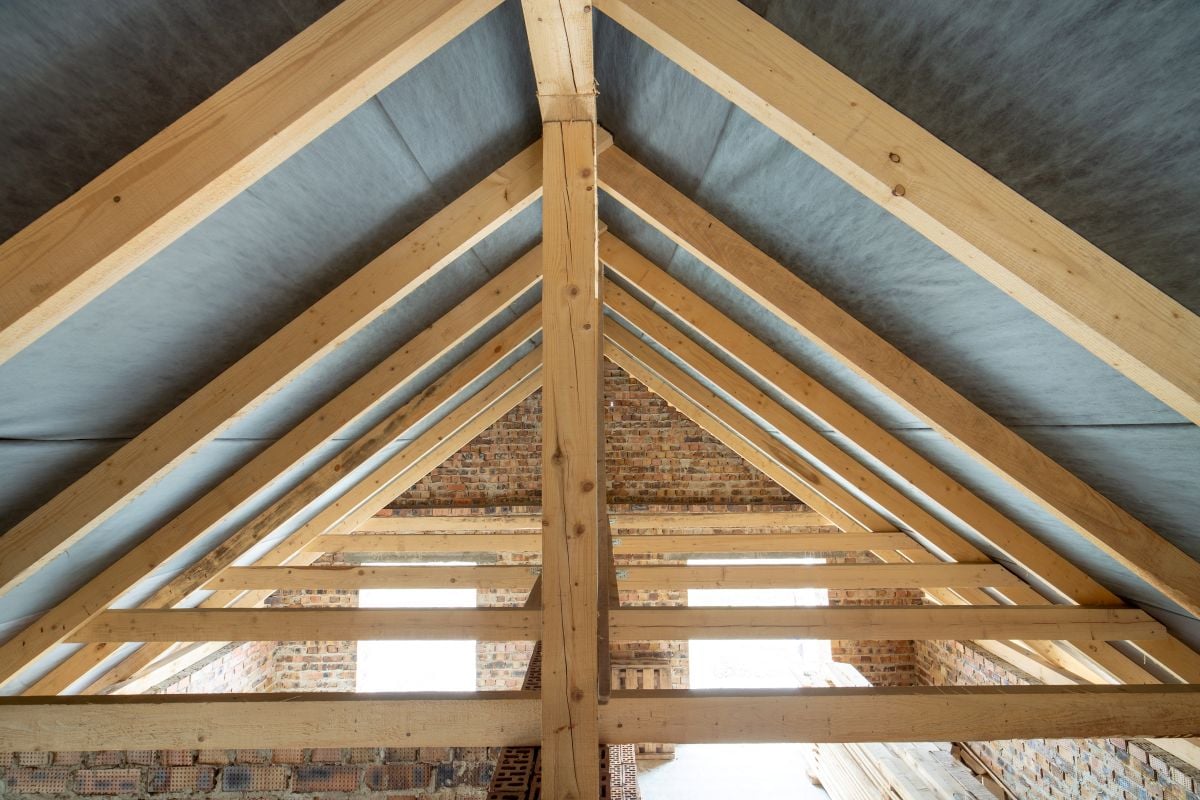
Roof trusses are pre-engineered triangular frameworks made from wood or metal that form the skeleton of your roof. They are designed to transfer the weight of roofing materials, snow, and wind loads down to the exterior walls of your home.
Unlike traditional stick built rafters that are constructed on site, trusses are manufactured in a controlled environment and delivered ready for installation.
- Triangular design: Provides structural strength and load distribution
- Pre manufactured components: Built to precise engineering specifications
- Efficient installation: Installed quickly once delivered to the job site
Because of their design efficiency, trusses have become the standard in modern residential construction.
Main Components of a Roof Truss
To understand how roof trusses work, it helps to break down their main parts. Each component plays a specific role in supporting and stabilizing the structure.
Top Chord
The top chord forms the upper slope of the truss and supports the roof decking and exterior materials such as shingles or metal panels. It carries the weight of snow, wind, and roofing materials.
- Supports roof covering: Transfers exterior load to the rest of the truss
- Defines roof pitch: Determines the slope and overall appearance
- Engineered for strength: Sized based on span and load requirements
Bottom Chord
The bottom chord runs horizontally and forms the ceiling structure inside your home. It ties the two ends of the truss together and prevents outward wall movement.
- Ceiling support: Holds drywall and attic insulation
- Tension resistance: Keeps exterior walls from spreading
- Stability component: Balances forces created by roof loads
Web Members
Web members are the diagonal and vertical pieces inside the triangular framework. They distribute weight between the top and bottom chords.
- Load distribution: Spreads weight evenly across the structure
- Structural reinforcement: Prevents bending and sagging
- Optimized design: Engineered for maximum strength with minimal material
Metal Connector Plates
Metal connector plates hold the truss joints together. These steel plates are pressed into the wood at each joint to create strong connections.
- Joint reinforcement: Secures intersecting wood members
- Factory precision: Installed under controlled conditions
- Durability: Designed to resist corrosion and movement
Each of these components works together to create a strong and stable roofing framework.
5 Common Types of Roof Trusses

There are several types of roof trusses used in residential construction. The right style depends on roof shape, span length, and interior space needs.
1. King Post Truss
The king post truss is one of the simplest and most cost effective designs. It features a central vertical post connecting the peak to the bottom chord.
- Best for shorter spans: Ideal for small homes or additions
- Simple design: Fewer materials required
- Cost effective option: Lower manufacturing cost
2. Queen Post Truss
The queen post truss includes two vertical posts instead of one, allowing for longer spans than a king post design.
- Medium span support: Suitable for moderate sized homes
- Improved load capacity: Stronger than single post designs
- Versatile use: Works well in various architectural styles
3. Fink Truss
The Fink truss is one of the most common residential designs. Its web configuration forms a distinctive W pattern inside the triangle.
- Efficient load distribution: Handles typical residential spans
- Popular choice: Frequently used in new construction
- Cost efficient: Balances strength and affordability
4. Attic Truss
Attic trusses are designed to create usable space within the roof structure. They allow homeowners to have additional storage or living space.
- Maximizes space: Creates a framed room within the attic
- Ideal for expansions: Useful in growing households
- Higher material cost: Requires additional engineering
5. Scissor Truss
Scissor trusses feature sloped bottom chords that create vaulted or cathedral ceilings inside the home.
- Vaulted ceiling design: Adds architectural interest
- Open interior feel: Creates spacious living areas
- Custom engineering: Tailored to specific design goals
Each truss type is engineered to meet specific structural and design requirements.
Roof Trusses vs Traditional Rafters
Homeowners often wonder how roof trusses compare to traditional stick built rafters. Both systems support roofing materials, but there are key differences.
- Installation speed: Trusses install faster than rafters built on site
- Engineering precision: Trusses are factory designed for exact load conditions
- Cost efficiency: Reduced labor time lowers overall construction cost
- Material optimization: Trusses use smaller lumber pieces strategically placed
Traditional rafters may allow more attic customization, but trusses typically provide greater efficiency and structural consistency.
Benefits of Roof Trusses for Homeowners
Roof trusses offer several advantages that make them the preferred choice in modern construction.
- Strength and durability: Engineered to withstand heavy snow and wind loads
- Reduced construction time: Pre assembled components speed up installation
- Cost savings: Lower labor and material waste
- Consistent quality: Manufactured in controlled environments
- Design flexibility: Available in many shapes and configurations
In South Bend, where winter snow loads can place stress on roof structures, properly engineered trusses provide dependable support.
When Should Roof Trusses Be Inspected?
Although trusses are designed for longevity, they should be inspected if you notice signs of structural concerns.
- Sagging rooflines: May indicate truss damage
- Cracked interior drywall: Could signal structural movement
- Water intrusion: Moisture can weaken wood members over time
If your home has experienced storm damage, professional inspection ensures the truss system remains structurally sound.
Why South Bend Homeowners Trust Discount Roof

At Discount Roof, we understand how critical roof trusses are to your home’s overall structural integrity. Whether you are replacing a roof, planning an addition, or repairing storm damage, our experienced team serves homeowners in South Bend and surrounding areas with dependable service.
Our goal is to ensure your entire roofing system, including the underlying truss structure, remains strong and secure.
Build on a Strong Foundation
Roof trusses form the backbone of your roofing system. By understanding their structure, components, and benefits, you can make informed decisions about maintenance, repairs, and renovations.
If you have questions about your roof structure or are planning a roofing project, contact Discount Roof today for a free estimate in South Bend and surrounding areas. We will evaluate your system and help protect your home from the top down.

Recent Articles
The Roof Learning Center

Get Your Free Estimate Today