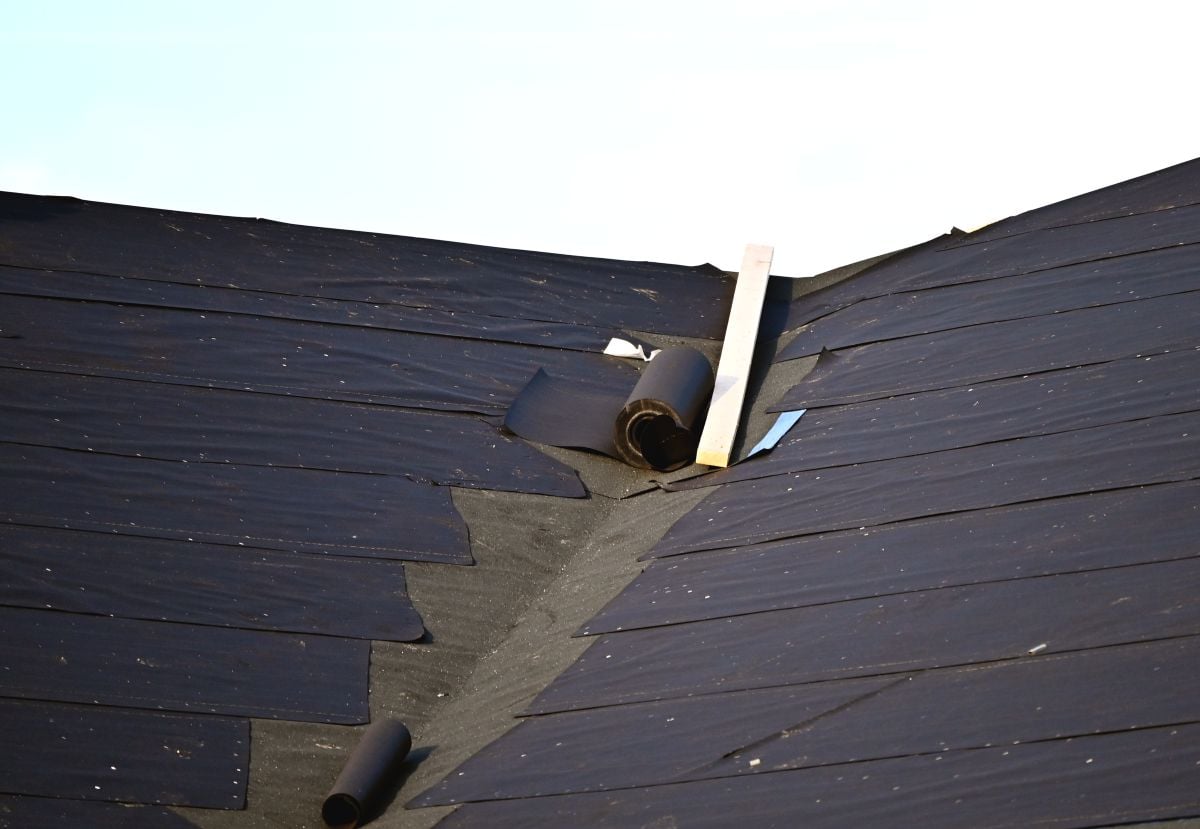
Roof Underlayment: What It Is and Why It Really Matters

Understanding roof underlayment is important for homeowners who want to protect their roof from moisture, leaks, and long term structural damage. While shingles are the most visible part of a roofing system, the underlayment beneath them plays a major role in waterproofing and overall roof performance. For homeowners in LaPorte and surrounding areas, where roofs experience heavy rain, snow, and seasonal weather changes, roof underlayment provides critical protection.
There are three primary types of roof underlayment: asphalt-saturated felt, synthetic underlayment, and rubberized asphalt.
In this guide, you will learn:
- What roof underlayment does: Its purpose within the roofing system
- Different types of underlayment: Common materials homeowners should know
- Why proper installation matters: How underlayment protects your home
When choosing underlayment, it’s important to select a product that matches your local climate, roofing material, and warranty requirements to ensure durability and compliance with building codes.
Let’s take a closer look at why roof underlayment is one of the most important parts of a roofing system.

What Is Roof Underlayment?
Roof underlayment is a water resistant or waterproof layer installed directly on top of the roof sheathing (decking) and beneath the roofing materials. It acts as a secondary barrier against moisture if water gets underneath the shingles or metal panels.
In LaPorte and surrounding areas, underlayment is especially important because severe storms and snow can force moisture beneath the visible roofing materials.
- Moisture protection: Helps prevent leaks beneath shingles
- Secondary waterproof barrier: Adds extra roof protection
- Roof deck protection: Shields wood sheathing from water exposure
- Weather resistance: Improves overall roofing system durability and helps protect your home from the elements, such as rain, snow, and wind
Without underlayment, even small roof failures could quickly lead to structural damage.
Why Roof Underlayment Matters
Many homeowners focus only on shingles when evaluating a roof, but underlayment is what helps provide hidden protection beneath the surface.
When roofing materials become damaged or loosened during storms, underlayment helps reduce the risk of immediate water intrusion into the home by acting as a barrier against water infiltration, which can lead to leaks and structural damage.
- Protects against wind driven rain: Helps stop moisture penetration and water infiltration
- Improves roof lifespan: Reduces long term decking exposure
- Supports ice and water protection: Helps prevent leak formation
- Adds backup protection during storms: Important in harsh weather conditions
- Maintains warranty coverage: Using the correct underlayment is essential, as most shingle and roofing manufacturers will void the warranty of your primary roofing product if a proper underlayment is not used.
A properly installed underlayment system improves overall roof reliability.
6 Reasons Roof Underlayment Is Important
Roof underlayment provides several important benefits that homeowners may not immediately see but should absolutely understand.
Below are six major reasons why this roofing layer matters so much.
1. Provides Secondary Leak Protection
Even high quality shingles are not completely waterproof on their own. Strong wind driven rain can sometimes force moisture beneath roofing materials.
Underlayment creates a secondary moisture barrier that helps protect the roof deck.
- Water resistant layer: Helps stop leaks beneath shingles
- Extra storm protection: Important during severe weather
- Improved moisture control: Reduces water intrusion risks
This backup protection is one of the biggest benefits of underlayment.
2. Protects the Roof Deck
Roof decking is vulnerable to moisture damage if exposed for long periods.
Underlayment helps shield the decking from rain during installation and after storms.
- Prevents wood rot: Keeps decking drier over time
- Reduces structural damage: Protects underlying materials
- Improves roof durability: Supports long term performance
Protecting the deck helps extend roof lifespan.
3. Helps Prevent Ice Dam Damage
In colder climates like Indiana, ice dams can force water beneath shingles during winter.
Special underlayment products, such as ice and water shield, are commonly applied at eaves, rakes, and ridges to prevent water intrusion in these vulnerable areas. This type of underlayment is especially important for low slopes, where water can more easily penetrate. Ice and water shield is often used in conjunction with other underlayment materials for enhanced protection in these critical roof areas.
- Blocks trapped moisture: Helps stop water intrusion
- Improves winter protection: Important during freeze thaw cycles
- Reduces leak risks: Supports roof performance in snow conditions
Ice and water protection is especially important near roof edges.

4. Improves Roof Installation Quality
Underlayment helps create a smoother, more consistent surface for roofing materials.
This improves both installation quality and long term roof performance.
- Creates uniform surface: Helps shingles lay properly
- Supports fastening systems: Improves material stability; using the correct fasteners is essential for securely attaching the underlayment
- Enhances weather resistance: Strengthens overall roof system
Following manufacturer installation instructions is crucial to ensure a proper install and long-term performance.
Proper installation helps maximize roofing lifespan.
5. Protects During Roofing Projects
Roof underlayment also helps protect the home temporarily while roofing materials are being installed.
Unexpected rain during installation can expose the roof deck without proper underlayment in place.
- Temporary weather protection: Helps during construction delays
- Reduces moisture exposure: Protects unfinished roofing areas
- Improves project safety: Adds an extra protective layer
This protection is valuable during unpredictable weather conditions.
6. Supports Manufacturer Warranty Requirements
Many roofing manufacturers require specific underlayment products as part of their warranty systems. Using the correct roof underlayment helps comply with building codes and manufacturer warranty requirements.
Using the correct materials helps ensure warranty compliance.
- Meets manufacturer standards: Supports warranty eligibility
- Improves roofing system compatibility: Designed to work with shingles
- Protects long term investment: Helps preserve coverage terms
Following manufacturer guidelines is important for long term roof protection.
Choosing Underlayment: Common Types of Roof Underlayment
There are several different underlayment materials used in modern roofing systems. Each type offers different levels of durability and moisture protection, and can be compared based on factors such as durability, moisture resistance, and cost.
Homeowners in LaPorte and surrounding areas should understand the differences when planning roof replacement projects.
Asphalt Saturated Felt Underlayment
Felt underlayment has been used for decades and remains common in residential roofing.
- Traditional roofing material: Long history of use
- Affordable option: Lower material cost
- Basic moisture resistance: Provides standard protection
Felt remains a popular choice for many roofing systems.
Synthetic Roof Underlayment
Synthetic underlayment is lighter, stronger, and more durable than traditional felt.
It has become increasingly popular in modern roofing installations.
- Improved durability: More tear resistant than felt
- Lightweight material: Easier installation process
- Better moisture resistance: Enhanced weather protection
Synthetic products often provide better long term performance.
Rubberized Asphalt Underlayment
Rubberized underlayment offers the highest level of waterproof protection.
It is commonly used in vulnerable roof areas such as valleys and edges.
- Self sealing properties: Helps protect around nails
- High waterproof performance: Strong moisture barrier
- Excellent ice dam protection: Ideal for colder climates
This material is often used for premium protection systems.
Signs Underlayment Problems May Exist
Underlayment problems are not always visible from the outside, but certain warning signs may indicate moisture issues beneath the roof surface.
Homeowners should watch for these common indicators.
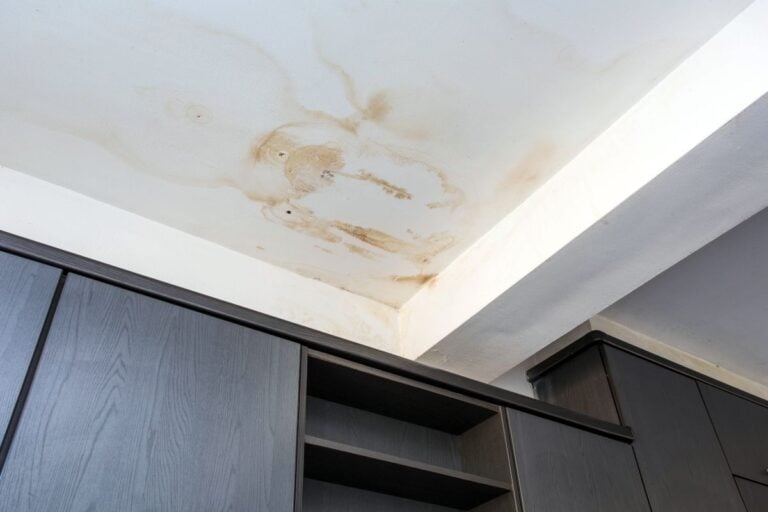
- Recurring roof leaks: Moisture entering beneath shingles
- Water stains in attic: Possible underlayment failure
- Sagging roof decking: Long term moisture exposure
- Mold or mildew odors: Trapped moisture inside the roof system
Professional inspections help identify hidden roofing issues early.
Why Professional Installation Matters
Proper underlayment installation is critical for roof performance. Professional roofing contractors and experienced roofers ensure proper installation and adherence to building codes, which is essential for the longevity and safety of your roof. Even high quality materials can fail if installed incorrectly.
Roofing professionals follow manufacturer guidelines and local building codes to ensure proper protection.
- Correct overlap installation: Prevents moisture penetration
- Proper fastening methods: Keeps underlayment secure during storms
- Integration with flashing systems: Improves waterproofing performance
- Code compliant installation: Ensures long term reliability
Reputable contractors are available to answer any questions homeowners may have about underlayment and roofing systems, helping guide you to make informed decisions.
Professional workmanship helps maximize roof durability.

Why LaPorte Homeowners Trust Discount Roof
At Discount Roof, we help homeowners understand every layer of their roofing system so they can make informed decisions about protection and performance. Homeowners in LaPorte and surrounding areas trust us because we focus on honest recommendations, quality materials, and dependable workmanship.
We provide:
- Professional roof inspections and evaluations
- High quality roofing systems and underlayment materials
- Detailed recommendations based on your roof’s condition
- Clear estimates and dependable project communication
Our goal is to help homeowners build stronger, longer lasting roofing systems.
Protect Your Roof From the Inside Out
Roof underlayment may not be visible after installation, but it plays a critical role in protecting your home from moisture and weather damage. From improving leak resistance to supporting long term roof durability, underlayment is one of the most important components of a roofing system.
If you are planning a roof replacement or concerned about roof leaks, contact Discount Roof today for a roof inspection and free estimate in LaPorte and surrounding areas. Our team will evaluate your roofing system, explain your options clearly, and help ensure your home stays protected year round.
Recent Articles
The Roof Learning Center
Get Your Free Estimate Today