Gutter Parts Guide (Everything You Should Know)

Understanding gutter parts is essential for homeowners who want to maintain an effective drainage system and prevent costly water damage. While gutters may seem simple, they are made up of several components that work together to direct water safely away from your home. For homeowners in Merrillville and surrounding areas, knowing how each part functions can help you identify issues early and make informed decisions about repairs or upgrades.
In this guide, you will learn:
- Key gutter components: What each part does and why it matters
- How parts work together: Understanding the full system
- When components need replacement: Signs to watch for
Let’s break down every part of a gutter system so you can better protect your home.
What Makes Up a Gutter System?

A gutter system is more than just the horizontal channels you see along your roofline. It includes multiple parts that manage water flow from the roof to the ground.
Each component plays a specific role in controlling drainage, preventing overflow, and protecting your home’s structure. In Merrillville and surrounding areas, where heavy rain and snowmelt are common, every part must function properly to avoid damage.
- Collection system: Captures rainwater from the roof
- Transport system: Moves water through gutters and downspouts
- Drainage system: Directs water away from the foundation
Understanding this system helps you see why even small issues can lead to bigger problems.
Main Gutter Parts Explained
Every gutter system includes several essential components. Knowing what each part does helps you diagnose problems and communicate clearly with contractors.
Gutters (Channels)
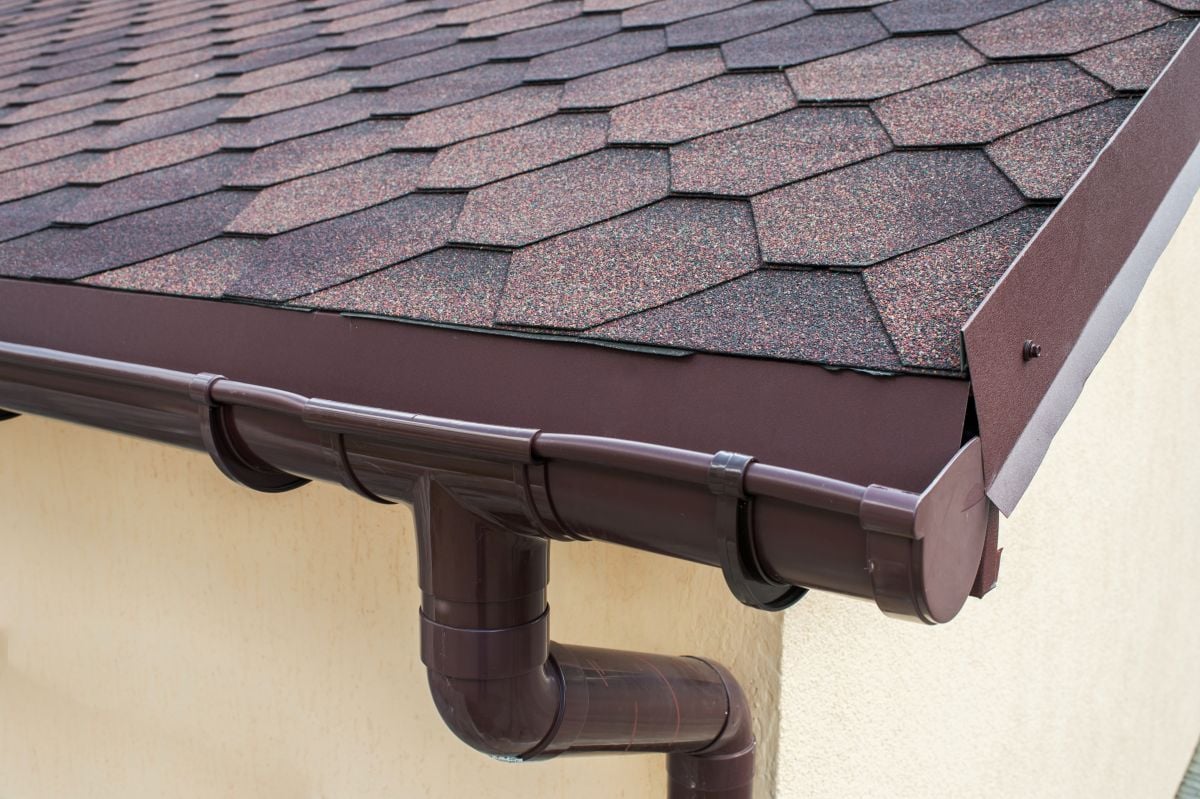
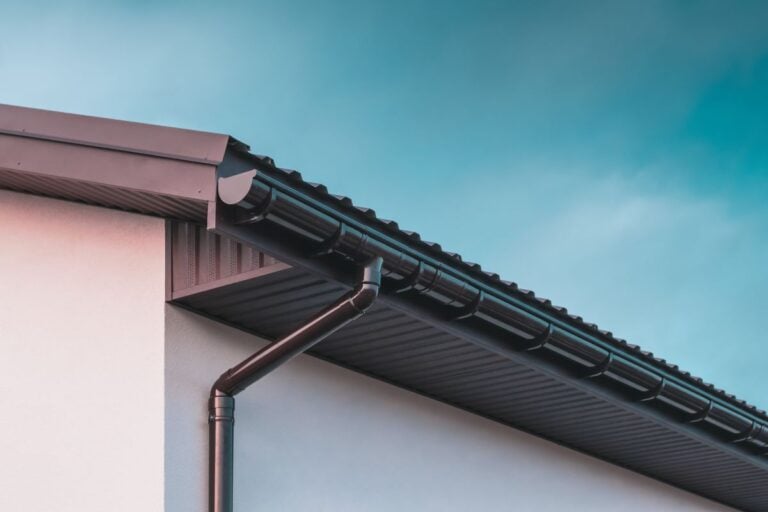
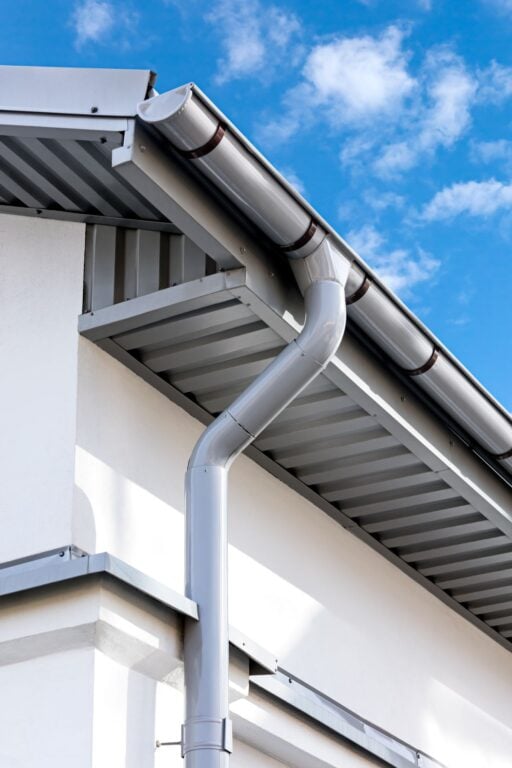
The gutters themselves are the long horizontal sections installed along the roof edge. Their primary job is to collect rainwater as it flows off the roof.
They are typically made from aluminum, steel, vinyl, or copper. The size and shape of gutters affect how much water they can handle during heavy storms.
- Water collection: Captures runoff from the roof surface
- Material options: Aluminum is the most common due to durability
- Sizing importance: Larger gutters handle higher water volume
Properly sized gutters reduce the risk of overflow.
Downspouts
Downspouts are vertical pipes that carry water from the gutters down to the ground level. They are critical for directing water away from your home’s foundation.
Without properly functioning downspouts, water can pool around your home, leading to erosion and potential basement issues.
- Water transport: Moves water safely downward
- Placement matters: Positioned at corners or key drainage points
- Extensions available: Help direct water farther from foundation
Downspouts are one of the most important parts of the system.
End Caps
End caps are installed at the ends of gutter runs to prevent water from spilling out. They seal off the gutter channel and keep water flowing toward downspouts.
Although small, end caps are essential for maintaining proper water direction.
- Sealing function: Closes off gutter ends
- Leak prevention: Stops water from escaping sideways
- Durability factor: Must be securely attached and sealed
Loose or damaged end caps can lead to noticeable leaks.
Gutter Hangers and Brackets
Hangers and brackets secure the gutter system to your home. They ensure the gutters stay properly aligned and can support the weight of water, debris, and snow.
Over time, these supports can loosen or fail, causing gutters to sag or pull away from the roofline.
- Structural support: Keeps gutters firmly attached
- Spacing importance: Proper placement prevents sagging
- Material strength: Metal hangers offer greater durability
Strong support systems are critical in areas with heavy snow like Merrillville.
Elbows
Elbows are angled pieces that connect sections of downspouts and help guide water around corners or architectural features.
They allow for flexible routing of water from the roofline to the ground.
- Directional control: Changes the angle of water flow
- Custom fit: Helps navigate roof and siding layout
- Connection points: Links gutters to downspouts
Without elbows, water flow would not be properly directed.
Splash Blocks and Extensions
Splash blocks and extensions are placed at the base of downspouts to move water away from your home’s foundation.
They help prevent soil erosion and reduce the risk of water pooling near your home.
- Foundation protection: Directs water away from base of home
- Erosion prevention: Reduces soil displacement
- Simple installation: Easy but highly effective solution
These components play a major role in protecting your home’s structure.
How Gutter Parts Work Together

Each gutter component works as part of a complete system. If one part fails, the entire system can become less effective.
Water flows from the roof into the gutters, travels through the channels, and is directed into downspouts. From there, it is carried safely away from the home using extensions or splash blocks.
When all parts function properly, water is managed efficiently. However, a failure in any component, such as a loose hanger or clogged downspout, can lead to overflow and damage.
- System coordination: Every part contributes to water control
- Failure impact: One weak point can affect the entire system
- Maintenance importance: Regular checks keep everything working
Understanding this connection helps homeowners identify issues quickly.
3 Signs Gutter Parts Need Replacement
Over time, individual gutter components can wear out or fail. Recognizing these signs early can help prevent larger repairs.
1. Leaking Joints or Seams
If you notice water dripping from joints or seams, it may indicate worn sealant or damaged connections.
Small leaks can quickly turn into bigger problems if not addressed. Replacing or resealing affected parts helps restore proper function.
2. Sagging Gutters
Sagging gutters are often caused by failing hangers or brackets. This can disrupt water flow and lead to pooling or overflow.
Addressing support issues early prevents further structural damage.
3. Rust or Corrosion
Metal gutter components can develop rust over time. Once corrosion begins, the affected parts lose strength and may need replacement.
Rust is especially common in older systems and should not be ignored.
Upgrading Gutter Parts for Better Performance
Modern gutter systems offer improvements that enhance performance and reduce maintenance needs.
- Seamless gutters: Reduce leak points compared to sectional systems
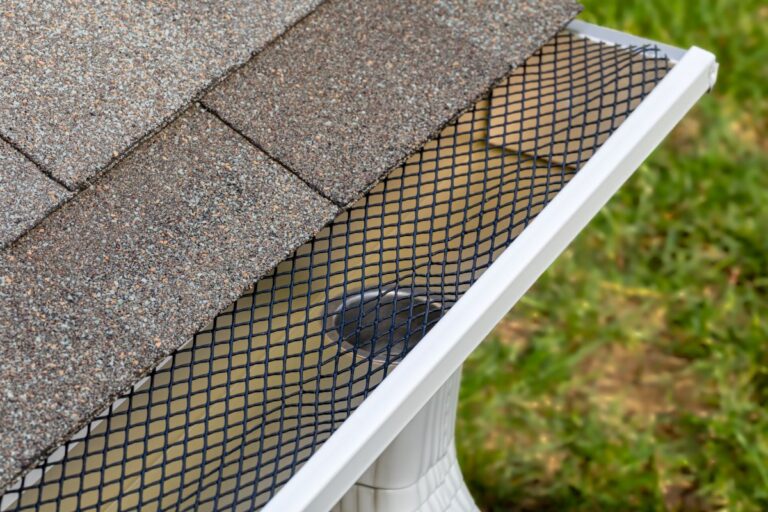
- Gutter guards: Prevent debris buildup and clogging
- Larger downspouts: Improve drainage during heavy rainfall
- Stronger hangers: Increase durability and stability
Upgrading individual components can significantly improve system efficiency.
Why Merrillville Homeowners Trust Discount Roof

At Discount Roof, we help homeowners understand every part of their gutter system so they can make confident decisions. Homeowners in Merrillville and surrounding areas rely on our team for honest recommendations and high quality workmanship.
We provide:
- Detailed gutter inspections and system evaluations
- Professional installation and component upgrades
- Durable materials designed for long term performance
- Clear communication from start to finish
Our goal is to ensure your entire gutter system works together to protect your home.
Keep Your Gutter System Working Properly
Knowing your gutter parts gives you the ability to spot issues early and maintain your home’s protection. From gutters and downspouts to hangers and splash blocks, every component plays an important role.
If you are unsure about the condition of your gutter system, contact Discount Roof today. Our team will evaluate every component, recommend the right solutions, and help you keep your home protected year round.
Recent Articles
The Roof Learning Center
Get Your Free Estimate Today