Understanding the Roof Insurance Claim Process in 2026

Understanding the roof insurance claim process can help homeowners navigate storm related damage, communicate effectively with their insurance provider, and make informed repair decisions. Roof claims can feel overwhelming, especially after severe weather, but knowing how the process works helps reduce confusion and delays. For homeowners in LaPorte and surrounding areas, where storms, hail, and wind damage are common, understanding the basics of insurance claims is important.
In this guide, you will learn:
- How the roof insurance claim process works: Step by step overview
- What homeowners should document: Important details after damage occurs
- Common claim challenges: What to expect during the process
Let’s break down how roof insurance claims typically work in 2026.

What Is a Roof Insurance Claim?
A roof insurance claim is a request submitted to your homeowners insurance provider for coverage related to roof damage caused by a covered event. This often includes storm damage from wind, hail, or fallen debris.
Coverage varies based on your insurance policy, roof age, and the cause of the damage. In LaPorte and surrounding areas, weather related claims are among the most common reasons homeowners contact their insurance company.
- Storm damage claims: Wind, hail, and fallen tree impacts
- Sudden accidental damage: Unexpected events covered by the policy
- Policy dependent coverage: Terms vary between insurance providers
Every claim is unique, which is why reviewing your policy carefully is important.
What Types of Roof Damage Are Commonly Covered?
Insurance coverage depends on the specific terms of your homeowners policy. In many cases, sudden and accidental damage is more likely to be covered than gradual wear and tear.
Homeowners should understand that insurance is generally designed for unexpected damage, not routine maintenance issues.
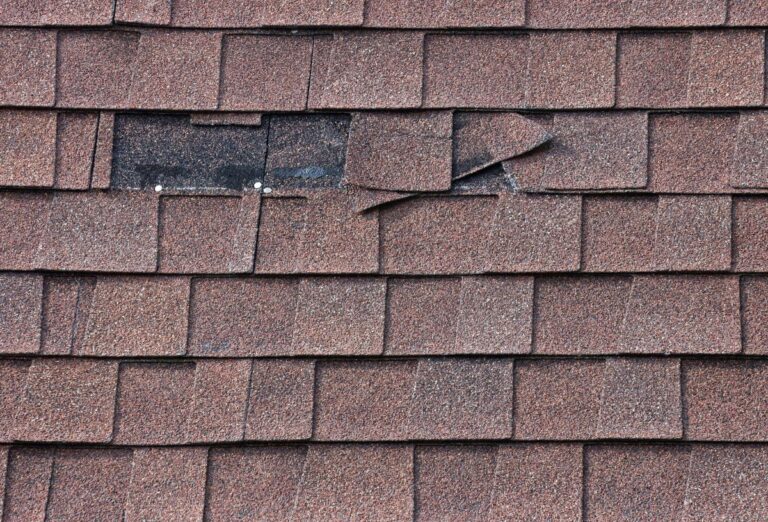
- Wind damage: Missing or lifted shingles after storms
- Hail damage: Impact marks or granule loss
- Fallen tree damage: Structural impact from debris
- Fire related damage: Damage caused by fire or smoke
Coverage can vary significantly depending on the insurer and policy details.
Common Reasons Claims May Be Denied
Not all roof damage qualifies for insurance coverage. Some claims may be denied if the damage is considered preventable or related to aging materials.
Understanding these situations helps homeowners set realistic expectations.
- Normal aging: Older roofs with gradual deterioration
- Lack of maintenance: Neglected repairs or drainage issues
- Pre existing damage: Problems that existed before the storm
- Excluded events: Damage not covered by the policy
Reviewing your policy terms helps clarify what may or may not be covered.

8 Steps in the Roof Insurance Claim Process
The claims process can vary slightly between providers, but most follow a similar structure. Below are eight common steps homeowners can expect when navigating a roof insurance claim in 2026.
Understanding each phase helps homeowners stay organized and better prepared throughout the process.
1. Identify and Document the Damage
After a storm or damaging event, homeowners should safely inspect their property and document visible issues.
Photos and written notes help create a clear record of the damage before any repairs begin.
- Take clear photos: Document roof and interior damage thoroughly
- Record storm details: Note the date and type of weather event
- Save receipts: Keep records of emergency protection measures
Proper documentation helps support the claim process.
2. Prevent Additional Damage
Homeowners should take reasonable steps to minimize further damage while waiting for repairs.
Temporary protection measures help reduce the risk of worsening issues.
- Use tarps if necessary: Cover exposed areas safely
- Contain interior leaks: Use buckets or towels to manage water
- Move valuables away: Protect furniture and electronics from damage
These temporary actions help limit additional repair costs.
3. Review Your Insurance Policy
Before filing a claim, homeowners should review their policy to understand coverage limits, deductibles, and exclusions.
Policies vary significantly, so understanding the details is important.
- Check deductible amounts: Understand out of pocket costs
- Review coverage types: Confirm storm related protections
- Understand exclusions: Know what may not be covered
This step helps homeowners avoid surprises later.
4. Contact Your Insurance Company
Once damage is identified, homeowners should notify their insurance provider as soon as possible.
Most insurers have reporting timelines for storm related claims.
- Start the claim promptly: Avoid unnecessary delays
- Provide documentation: Share photos and storm details
- Ask questions: Clarify the next steps in the process
Clear communication is important from the beginning.

5. Schedule a Roof Inspection
Insurance companies often require an inspection to assess the roof’s condition and evaluate damage.
Roofing contractors may also inspect the roof to identify visible and hidden issues.
- Inspect all roof areas: Identify damage thoroughly
- Evaluate repair needs: Determine the scope of repairs
- Document findings: Maintain detailed inspection records
Inspections help establish the extent of damage.
6. Meet With the Insurance Adjuster
An insurance adjuster typically visits the property to evaluate the roof and determine whether the damage qualifies for coverage.
The adjuster’s findings influence the insurance company’s decision.
- Review storm related damage: Assess affected areas
- Compare findings to policy terms: Determine eligibility
- Estimate repair costs: Evaluate potential claim value
The adjuster plays a key role in the process.
7. Review the Insurance Decision
After inspections are completed, the insurance company will issue a decision regarding coverage.
The outcome may include full approval, partial approval, or denial depending on the policy and findings.
- Approved claims: Insurance contributes toward covered repairs
- Partial approvals: Some damage may not qualify
- Denied claims: Coverage may not apply to the situation
Homeowners should carefully review all claim documents.
8. Complete Roof Repairs
Once the claim process is finalized, roof repairs or replacement work can begin.
Addressing damage quickly helps restore protection and prevent future issues.
- Repair damaged areas promptly: Prevent worsening conditions
- Use experienced roofing professionals: Ensure quality workmanship
- Keep records of repairs: Save invoices and documentation
Completing repairs restores your roof’s performance and durability.
Important Factors That Affect Roof Claims
Several factors can influence how a roof insurance claim is handled. Understanding these variables helps homeowners prepare for potential outcomes and avoid confusion during the process.
Insurance companies evaluate multiple details before approving or denying coverage. Homeowners in LaPorte and surrounding areas should understand how these factors may impact their claim.
- Roof age: Older roofs may receive reduced coverage depending on policy terms and material condition
- Type of damage: Sudden storm damage is typically treated differently than gradual deterioration or maintenance issues
- Policy details: Deductibles, exclusions, and depreciation clauses vary between insurance providers
- Maintenance history: Well maintained roofs are generally easier to evaluate during claims
These factors can significantly affect claim decisions and reimbursement amounts.
Tips for Homeowners During the Claims Process
Navigating the roof insurance claim process can feel stressful, but staying organized helps simplify the experience. Good communication and careful documentation often make the process smoother.
Homeowners should remain patient and review all paperwork carefully before making decisions.
- Document everything carefully: Keep photos, receipts, and communication records organized
- Communicate promptly: Respond quickly to insurance requests or scheduling updates
- Avoid rushing repairs: Ensure all damage is properly evaluated first
- Understand your policy: Review coverage limits and exclusions thoroughly
Preparation helps homeowners feel more confident throughout the process.
Why LaPorte Homeowners Trust Discount Roof
At Discount Roof, we help homeowners understand storm related roof damage and provide professional roofing services when repairs are needed. Homeowners in LaPorte and surrounding areas trust us because we focus on honest communication, detailed inspections, and high quality workmanship.
We provide:
- Professional storm damage roof inspections
- Detailed repair recommendations based on roof condition
- High quality roofing materials and installation practices
- Clear estimates and dependable service
Our goal is to help homeowners protect their property with reliable roofing solutions.

Stay Prepared After Storm Damage
Understanding the roof insurance claim process helps homeowners make informed decisions after severe weather. From documenting damage to reviewing insurance decisions and completing repairs, each step plays an important role in protecting your home.
If your roof has experienced storm damage, contact Discount Roof today for a roof inspection and free estimate in LaPorte and surrounding areas. Our team will evaluate your roof, explain any repair needs, and help restore your home’s protection with professional roofing services.
Recent Articles
The Roof Learning Center
Get Your Free Estimate Today