Why Roof Ventilation Is Important For Your Roofing System
Proper roof ventilation is essential for maintaining the health, efficiency, and lifespan of your roofing system. Without adequate airflow, heat and moisture can build up in your attic, leading to structural damage and higher energy costs. For homeowners in Hammond and surrounding areas, where temperatures vary throughout the year, roof ventilation plays a critical role in protecting your home.
In this guide, you will learn:
- What roof ventilation does: How it supports your roofing system
- Key benefits: Why proper airflow matters
- Signs of poor ventilation: What to watch for
Let’s explore why roof ventilation is so important.
What Is Roof Ventilation?

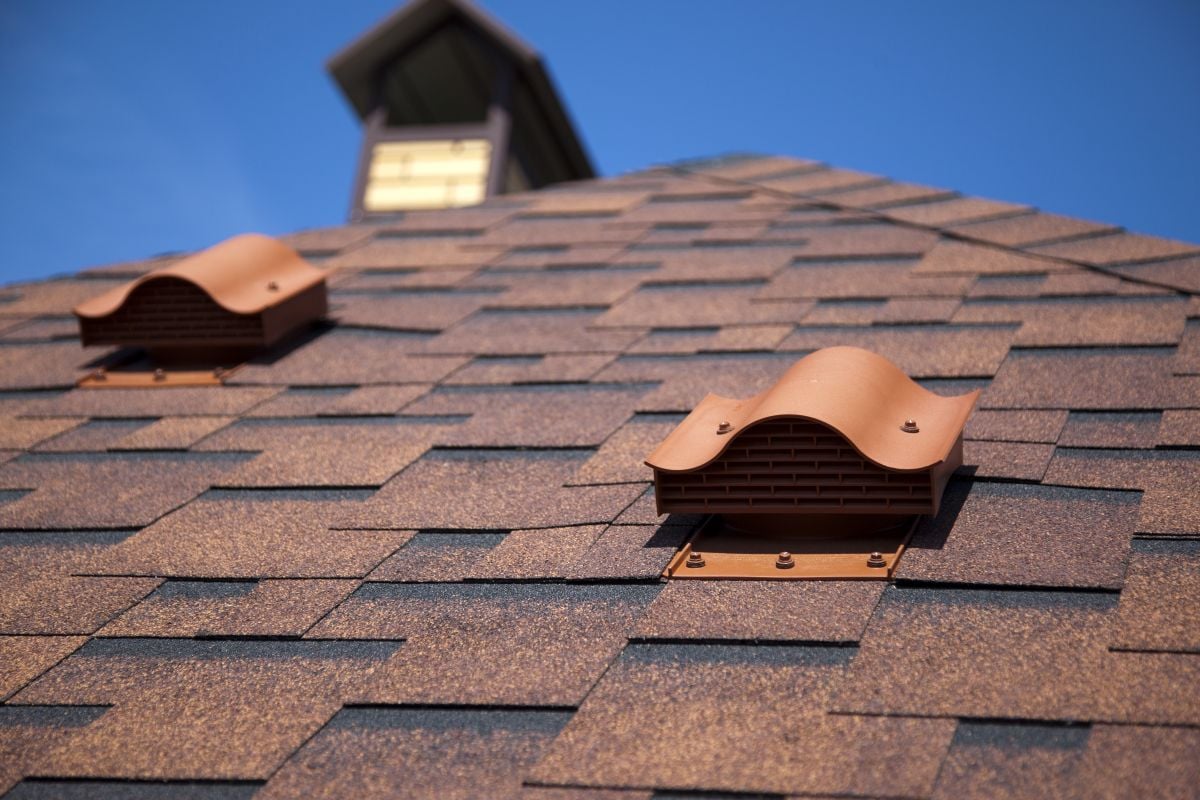
Roof ventilation is the system of intake and exhaust vents that allows air to flow through your attic space. This airflow helps regulate temperature and moisture levels inside your home.
A balanced system typically includes intake vents near the roof’s edge and exhaust vents near the ridge. In Hammond and surrounding areas, this balance is important for handling both summer heat and winter moisture.
- Intake vents: Bring fresh air into the attic
- Exhaust vents: Allow hot, moist air to escape
- Airflow balance: Keeps temperature and humidity stable
Without proper ventilation, your roof system can experience long term damage.
6 Key Benefits of Roof Ventilation
Roof ventilation provides several important advantages that impact both your roof and your home’s interior. Below are six key benefits homeowners should understand.
1. Regulates Attic Temperature
Ventilation helps control attic temperature by allowing hot air to escape during warmer months.
- Reduces heat buildup: Keeps attic cooler in summer
- Improves indoor comfort: Limits heat transfer into living spaces
- Supports HVAC efficiency: Reduces strain on cooling systems
This leads to a more comfortable home environment.
2. Prevents Moisture Buildup
Moisture can accumulate in the attic from everyday activities like cooking and showering. Proper ventilation helps remove this moisture.
- Reduces condensation: Prevents water from forming on surfaces
- Protects insulation: Keeps it dry and effective
- Prevents mold growth: Limits moisture related issues
Managing moisture is critical for maintaining a healthy home.
3. Extends Roof Lifespan
Excess heat and moisture can damage roofing materials over time. Ventilation helps reduce this stress.
- Prevents shingle damage: Reduces overheating
- Protects roof decking: Limits moisture exposure
- Improves durability: Supports long term performance
A well ventilated roof lasts longer.
4. Improves Energy Efficiency
Proper ventilation helps maintain consistent indoor temperatures, reducing energy usage.
- Lower cooling costs: Reduces attic heat transfer
- Balanced temperatures: Improves overall efficiency
- Reduced HVAC strain: Extends system lifespan
Energy savings can add up over time.
5. Prevents Ice Dams in Winter
In colder months, poor ventilation can lead to ice dams, which form when warm air melts snow that refreezes at the roof edge.
- Reduces uneven melting: Keeps roof temperature consistent
- Prevents water backup: Avoids leaks under shingles
- Protects roof edges: Minimizes winter damage
This is especially important in Hammond and surrounding areas.
6. Enhances Indoor Air Quality
Ventilation helps remove stale air and moisture, improving overall air quality inside your home.
- Reduces humidity levels: Creates a healthier environment
- Prevents mold spores: Limits airborne contaminants
- Improves comfort: Supports better airflow
This contributes to a safer living space.
Types of Roof Ventilation Systems
Different ventilation systems are used depending on roof design and home layout. Understanding these options helps homeowners choose the right setup.
Ridge Vents
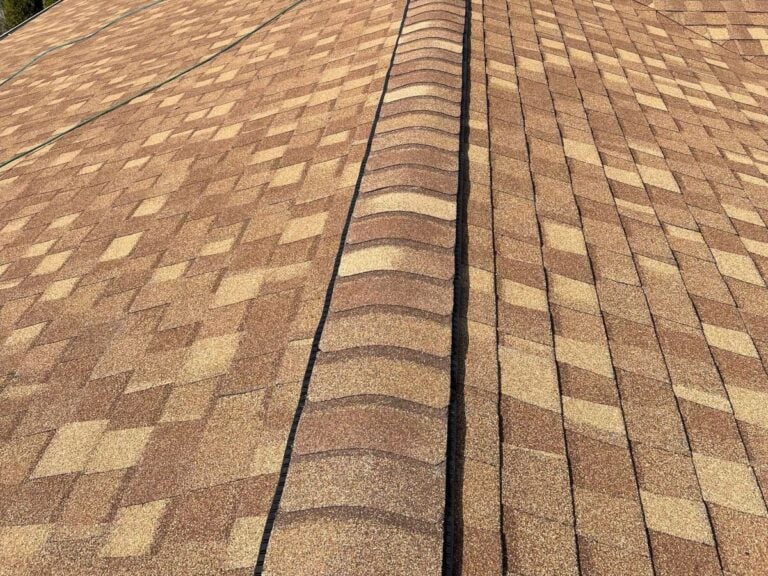
Ridge vents are installed along the peak of the roof and allow warm air to escape evenly.
- Continuous airflow: Provides consistent ventilation
- Low profile design: Blends with roof appearance
- Effective performance: Ideal for most homes
They are one of the most common ventilation solutions.
Soffit Vents
Soffit vents are installed under the eaves and allow fresh air to enter the attic.
- Intake function: Brings in outside air
- Prevents moisture buildup: Supports airflow balance
- Works with ridge vents: Creates a complete system
They are essential for proper ventilation.
Gable Vents
Gable vents are installed on the exterior walls of the attic and allow air to flow in and out.
- Additional airflow: Supports ventilation system
- Simple design: Easy to install
- Cost effective option: Affordable solution
They are often used in combination with other vents.
Signs of Poor Roof Ventilation

Recognizing ventilation issues early can help prevent serious damage.
Excessive Heat in Attic
If your attic feels extremely hot during summer, ventilation may be insufficient.
This can lead to higher cooling costs and discomfort inside your home.
Moisture or Condensation
Visible moisture or condensation in the attic is a clear sign of poor ventilation.
This can result in mold growth and damage to insulation and wood structures.
Ice Dams in Winter
Frequent ice dams indicate uneven roof temperatures caused by poor airflow.
Addressing ventilation can help prevent this issue.
Maintenance Tips for Roof Ventilation

Keeping your ventilation system in good condition ensures it continues to function properly.
- Inspect vents regularly: Check for blockages or damage
- Keep vents clear: Remove debris and insulation buildup
- Check attic airflow: Ensure proper intake and exhaust balance
- Schedule professional inspections: Identify hidden issues
Routine maintenance helps maximize performance.
Improve Your Roof’s Performance With Proper Ventilation
Roof ventilation is a critical component of a healthy roofing system. From regulating temperature to preventing moisture damage, proper airflow protects your home and extends the life of your roof.
If you are concerned about your roof ventilation, contact Discount Roof today for a free estimate in Hammond and surrounding areas. Our team will evaluate your system, recommend the right solutions, and help you maintain a durable and efficient roof.
Recent Articles
The Roof Learning Center
Get Your Free Estimate Today