Does Homeowners Insurance Cover Roof Leaks? Find Out

Understanding does homeowners insurance cover roof leaks can help homeowners avoid surprises when dealing with water damage and roofing repairs. While homeowners insurance may cover certain roof leaks, coverage depends on what caused the leak, the condition of the roof, and the details of the insurance policy. For homeowners in Northwest Indiana and surrounding areas, understanding how insurance companies evaluate roof leaks can help you make informed decisions after discovering damage.
In this guide, you will learn:
- When roof leaks are commonly covered: Situations that may qualify for insurance coverage
- When claims are often denied: Common exclusions homeowners should know
- Factors that influence claim decisions: What insurance companies evaluate
Let’s take a closer look at how homeowners insurance typically handles roof leak claims.
The Short Answer: It Depends

One of the biggest misconceptions homeowners have is that every roof leak is automatically covered by insurance. In reality, most homeowners insurance policies typically cover roof leaks when they result from sudden events like storms, while leaks tied to maintenance-related issues are usually excluded.
Insurance is generally designed to help with sudden and accidental damage, not problems caused by gradual wear or poor maintenance.
- Covered events may qualify: Damage from a covered peril such as storms or a fallen tree is typically covered
- Maintenance issues may not qualify: Gradual deterioration is often excluded
- Policy language matters: Coverage varies between insurance providers
- Roof condition is important: Age and maintenance history may influence decisions
Every claim is evaluated based on the specific circumstances involved.
When Homeowners Insurance May Cover Roof Leaks
In many cases, insurance may help pay for repairs when the leak is caused by a covered event. The key factor is often whether the damage was sudden and accidental rather than predictable or preventable.
Storm Damage
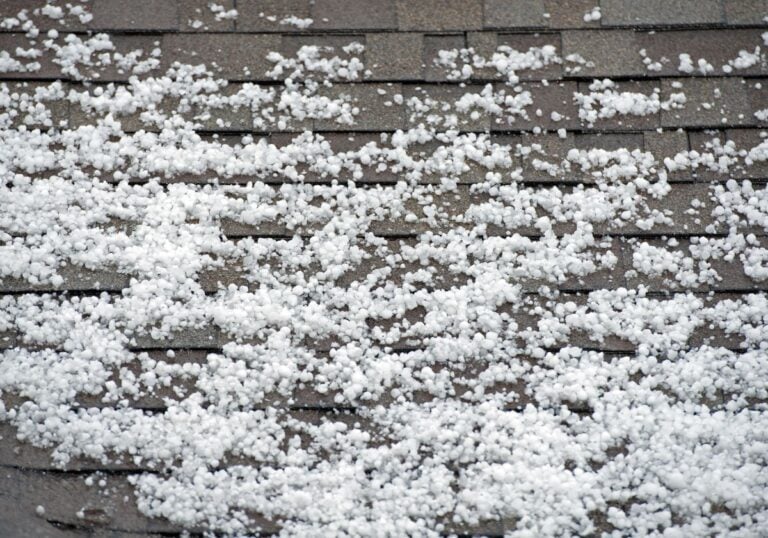
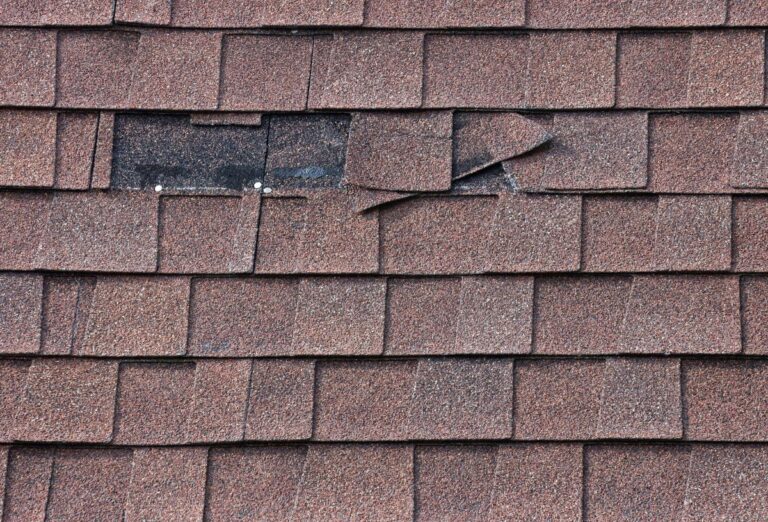
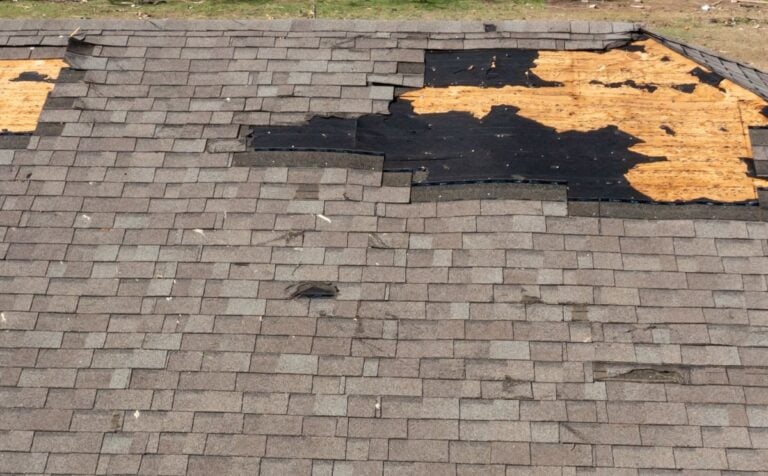
Storms are among the most common causes of roof leak insurance claims. High winds, hail, and severe weather can damage roofing materials and create openings that allow water into the home.
- Wind damaged shingles: Exposes vulnerable roofing layers
- Hail damage: Weakens roofing materials and flashing
- Storm related leaks: Water enters through newly damaged areas
Policies may exclude wind and hail coverage in some regions, so homeowners should verify local policy terms with their insurance provider.
Storm damage is one of the most common reasons roof leaks may qualify for coverage. Standard homeowners insurance and a standard homeowners insurance policy may cover roof damage from storm-related leaks when the roof damage results from a covered peril, though details that affect coverage can vary by insurance carrier.
Falling Trees or Debris
A tree limb or other debris striking the roof can create immediate damage and lead to leaks. Because these incidents are sudden and accidental, a fallen tree or storm debris is often considered accidental damage under the homeowners policy.
- Tree impact damage: Creates openings in the roofing system
- Storm debris damage: Punctures roofing materials
- Immediate water intrusion: Often linked directly to the covered event
Documentation is important when these situations occur. After emergency mitigation, contact your insurance company or home insurance company to confirm how the homeowners policy applies, since policies may exclude coverage for wind and hail in certain regions.
Fire Related Damage
If a fire damages the roof and later results in leaks, coverage may apply depending on the policy.
- Roof structure damage: Fire weakens roofing materials
- Water intrusion after the event: Damage related to the original covered loss
- Additional repairs may qualify: Depending on policy terms
Coverage varies by insurer and policy details.
When Homeowners Insurance Often Does Not Cover Roof Leaks
Not every roof leak qualifies for insurance coverage. In many situations, claims are denied because the damage developed gradually over time. Homeowners should understand these common exclusions.
Normal Wear and Tear
Roofs naturally age due to weather exposure, time, and general wear. Insurance companies generally expect homeowners to maintain their roofs and replace aging materials when necessary.
- Old shingles: Deterioration from age
- Granule loss: Normal roofing wear over time
- Material breakdown: Expected aging process
Replace aging shingles promptly to help prevent leaks, since delays can point to age-related deterioration rather than a covered loss. Wear and tear is one of the most common reasons claims are denied.
Lack of Maintenance
Routine maintenance is the homeowner’s responsibility. If a leak develops and delayed action led to further damage before a claim was filed, coverage may not apply.
- Ignored roof damage: Small problems allowed to worsen
- Clogged gutters: Water backup causing leaks
- Unaddressed flashing issues: Moisture intrusion from preventable causes
Cleaning gutters at least twice a year helps prevent water backup that can lead to leaks. Addressing minor roof damage quickly helps avoid larger issues that insurers may treat as maintenance-related.
Insurance companies often evaluate maintenance history during claims.
Long Term Moisture Problems
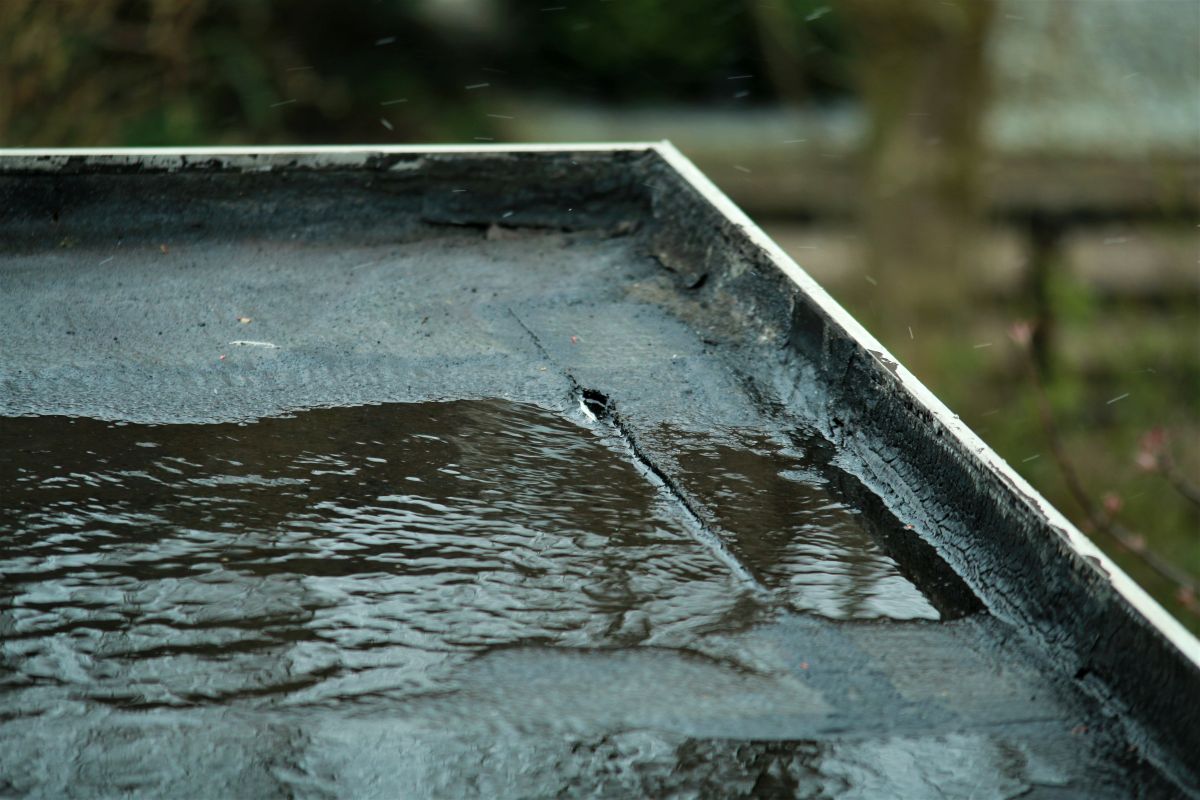
Gradual leaks from a leaking roof that develop over months or years are often treated differently than sudden storm damage.
- Ongoing water intrusion: Damage develops slowly over time
- Mold growth: Indicates prolonged moisture exposure
- Rotting roof components: Suggests a maintenance issue rather than a sudden event
Mold may be covered when it results from a covered roof leak, but long-standing moisture problems are less likely to qualify for coverage. Long term problems are less likely to qualify for coverage.
6 Factors Insurance Companies Consider

Every roof leak claim is unique. Insurance companies evaluate several factors before determining whether coverage applies. Below are six common factors that may influence claim decisions.
1. Cause of the Leak
The source of the leak is often the most important consideration. Insurance companies typically distinguish between sudden events and gradual deterioration.
- Storm related damage: May qualify for coverage
- Aging materials: Often excluded
- Accidental impacts: More likely to be covered
The cause helps determine eligibility.
2. Age of the Roof
Older roofs may receive different consideration depending on policy terms. Some policies apply depreciation based on roof age.
- Newer roofs: Often receive broader coverage consideration
- Older roofs: May have reduced reimbursement potential
- Expected lifespan matters: Insurers consider material age
Roof age can influence claim outcomes.
3. Maintenance History
Insurance companies may review whether the roof was maintained properly. Regular maintenance demonstrates responsible ownership.
- Documented repairs: Shows proactive maintenance
- Routine inspections: regular roof inspections help catch problems early
- Maintenance records: May support claims
Schedule annual roof inspections to document maintenance history and catch small issues early. Good records can be beneficial.
4. Extent of the Damage
The severity of the damage affects both claim evaluation and repair costs.
- Localized damage: May require limited repairs, while more severe damage can lead to roof replacement or even a full roof replacement
- Widespread leaks: Larger claim scope
- Structural concerns: May increase repair complexity
Basic roof repair costs average about $1,147 in the U.S. If the damage affects the entire roof, costs can rise significantly, with a full roof replacement averaging about $11,500 in the U.S. Damage extent plays a major role.
5. Policy Coverage Details
Every homeowners insurance policy contains different terms and exclusions.
- Deductibles: Affect out of pocket costs
- Coverage limits: Determine maximum reimbursement amounts
- Specific exclusions: May limit certain claims
Reviewing policy details is essential.
6. Documentation Provided
Good documentation helps establish what happened and when the damage occurred.
- Photos of damage: Visual evidence supports claims
- Storm records: Helps establish timing
- Repair estimates: Documents the scope of work
Organization helps streamline the process.
Covered Leak vs Non-Covered Leak
Consider two homeowners who discover roof leaks.
The first homeowner experiences a severe windstorm that removes several shingles, allowing rainwater into the attic. The damage is documented shortly after the storm, and the leak can be traced directly to the weather event.
The second homeowner discovers a leak that has been slowly developing for several years due to deteriorated flashing and aging roofing materials. The roof has not been maintained regularly, and there is evidence of long term moisture damage.
While every policy is different, the first scenario is generally more likely to qualify for coverage because the damage resulted from a sudden event rather than gradual deterioration.
Signs a Roof Leak Needs Immediate Attention

Regardless of insurance coverage, roof leaks should be addressed quickly to prevent additional damage. Homeowners should watch for these warning signs.
- Water stains on ceilings: Active moisture intrusion
- Attic dampness: Potential roofing failure
- Mold or mildew odors: Long term moisture concerns
- Visible roof damage: Missing shingles or damaged flashing
Prompt action helps limit repair costs.
Why Professional Roof Evaluations Matter
After discovering a leak, a professional roof evaluation can help homeowners understand the condition of their roofing system and identify the source of the problem. Professional evaluations also help determine whether repairs or replacement may be necessary.
- Identifies hidden damage: Finds issues beneath the surface
- Evaluates roof condition: Assesses overall performance
- Provides repair recommendations: Helps homeowners plan next steps
- Supports accurate estimates: Clarifies project scope
Professional evaluations provide valuable insight into roof health.
Why Northwest Indiana Homeowners Trust Discount Roof
At Discount Roof, we help homeowners protect their property with professional roof inspections, repairs, and replacement services designed for Indiana weather conditions. Homeowners in Northwest Indiana and surrounding areas trust us because we focus on honest recommendations, quality workmanship, and dependable service.
We provide:
- Professional roof inspections and evaluations
- High quality roof repair and replacement services
- Detailed roofing recommendations based on roof condition
- Free estimates and clear project communication
Our goal is to help homeowners make informed decisions and maintain reliable roof protection.
Know the Facts Before Filing a Claim
Does homeowners insurance cover roof leaks? Sometimes, but the answer depends on the cause of the leak, the condition of the roof, and the details of the policy. Understanding these factors can help homeowners avoid surprises and make more informed decisions after discovering damage.
If your roof is leaking or showing signs of damage, contact Discount Roof today for a free estimate in Northwest Indiana and surrounding areas. Our team can evaluate your roofing system, explain your repair or replacement options, and help restore your home’s protection with quality roofing solutions.
Recent Articles
The Roof Learning Center
Get Your Free Estimate Today