Tornado Roof Damage: What Indiana Homeowners Should Know

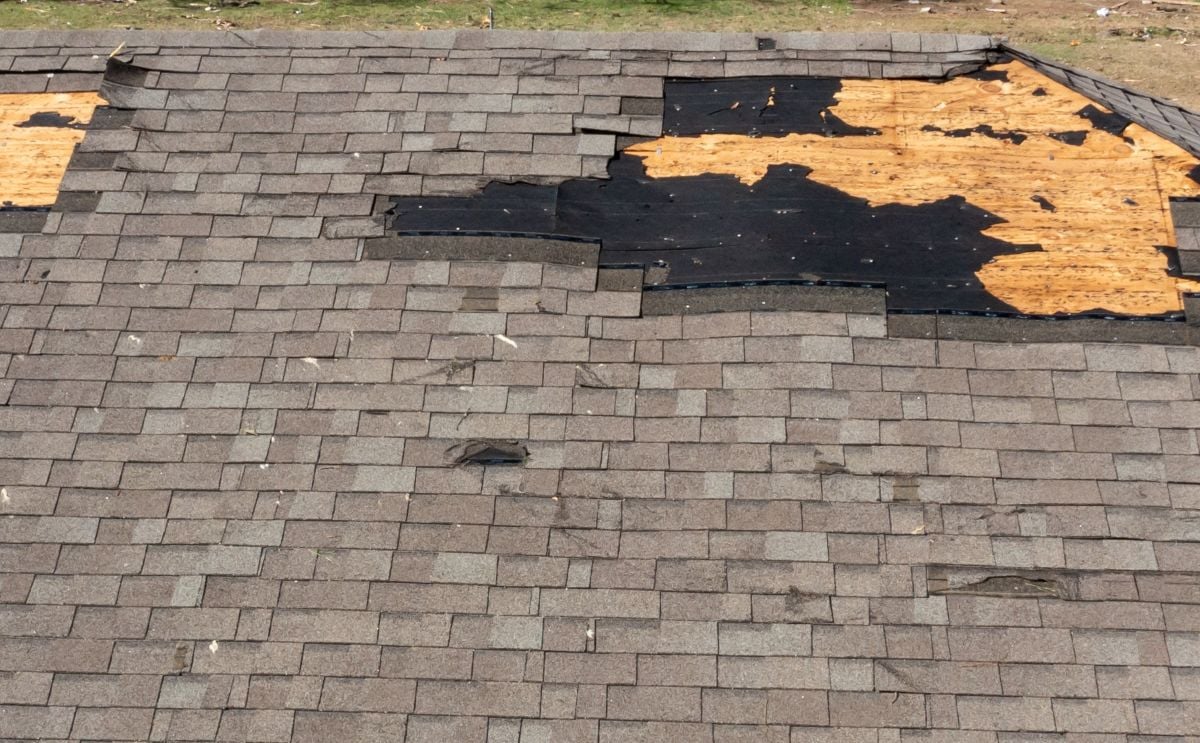
Understanding tornado roof damage is important for homeowners in Indiana because severe storms can cause major structural problems in a very short amount of time. Tornadoes produce extreme winds that can tear off shingles, damage flashing, collapse roof sections, and expose homes to water intrusion. For homeowners in Crown Point and surrounding areas, knowing how tornado damage affects roofing systems can help prevent further property damage and improve recovery after severe weather.
In this guide, you will learn:
- How tornadoes damage roofs: Common forms of storm related destruction
- What homeowners should inspect after a storm: Important warning signs
- When repairs or replacement may be necessary: Understanding the next steps
Let’s look at what Indiana homeowners should know about tornado related roof damage.

Why Tornado Damage Is Different From Typical Storm Damage
Unlike regular storms, tornadoes generate concentrated wind forces that can severely damage roofing systems within seconds. Flying debris and sudden pressure changes can also create structural stress throughout the home.
In Crown Point and surrounding areas, tornado season increases the risk of sudden roof damage during severe spring and summer storms.
- Extreme wind uplift: Shingles and roofing materials can be torn away
- Flying debris impacts: Branches and objects may puncture the roof
- Structural movement: High winds can weaken framing and decking
- Heavy rain exposure: Open roof areas allow rapid water intrusion
Tornado damage often affects much more than just the visible roof surface.
Common Types of Tornado Roof Damage
Tornadoes can create several forms of roofing damage depending on wind speed, debris impact, and roof condition before the storm.
Homeowners should understand the most common problems that occur after tornado activity.
- Missing shingles: Wind strips away roofing materials
- Lifted flashing: Metal components loosen around roof penetrations
- Roof punctures: Debris creates openings in the roofing system
- Collapsed sections: Severe structural failure from extreme forces
Some damage is immediately visible, while other issues may remain hidden until later.
6 Steps Homeowners Should Take After Tornado Roof Damage
After a tornado or severe wind event, homeowners should respond carefully and prioritize safety before inspecting the property.
Below are six important steps Indiana homeowners should follow after suspected tornado roof damage.
1. Prioritize Safety First
Safety should always come before inspecting or repairing damage.
Tornadoes can weaken structural components and create dangerous conditions around the property.
- Avoid damaged areas: Stay away from unstable roof sections
- Watch for power lines: Storm debris may create electrical hazards
- Do not climb on the roof: Structural weakness increases fall risks
If the home appears unsafe, contact emergency services or professionals immediately.
2. Inspect the Property From the Ground
Homeowners should begin with a visual inspection from a safe distance.
Many signs of roof damage can be identified without climbing onto the roof.
- Look for missing shingles: Bare roof sections indicate wind damage
- Check for fallen debris: Branches or objects may have impacted the roof
- Inspect gutters and flashing: Detached components often signal larger issues
Ground level inspections help homeowners identify obvious damage safely.
3. Check the Interior for Water Intrusion
Tornado damage often allows moisture into the home quickly, especially during heavy rain.
Interior inspections help identify hidden roofing problems.
- Ceiling stains: Water spots indicate possible leaks
- Wet attic insulation: Moisture entering through damaged roofing areas
- Visible sunlight in attic: Openings in the roof structure
Interior moisture problems should be addressed immediately.

4. Document the Damage Carefully
Detailed documentation helps homeowners keep accurate records of storm related damage.
Photos and written notes are useful for tracking repairs and communicating with contractors.
- Photograph all visible damage: Exterior and interior areas included
- Record storm details: Date and weather conditions
- Keep repair records: Save invoices and communication documents
Organized documentation helps simplify the repair process.
5. Prevent Additional Damage
Temporary protective measures can help reduce further water intrusion until repairs begin.
Homeowners should only attempt temporary measures if conditions are safe.
- Use tarps if necessary: Cover exposed roof areas temporarily
- Move valuables away from leaks: Protect belongings from water damage
- Contain interior moisture: Use buckets or towels if needed
Temporary protection helps minimize additional damage.
6. Schedule a Professional Roof Inspection
Professional inspections are important after tornado activity because some damage may not be immediately visible.
Roofing professionals can evaluate structural concerns, moisture intrusion, and material failure safely.
- Identify hidden storm damage: Detect issues beneath roofing materials
- Evaluate repair or replacement needs: Determine long term solutions
- Inspect structural integrity: Assess framing and decking condition
Professional inspections help homeowners fully understand the condition of their roof.
Signs Tornado Damage May Require Full Roof Replacement
Some tornado related damage may be too extensive for simple repairs.
Homeowners in Crown Point and surrounding areas should watch for these warning signs.
- Large sections of missing roofing: Extensive exposure increases leak risk
- Structural sagging: Possible decking or framing damage
- Widespread water intrusion: Moisture affecting multiple interior areas
- Severe flashing or ventilation damage: Roofing system integrity compromised
Major storm damage often requires more comprehensive repairs or replacement.
How Tornado Damage Affects Different Roofing Materials
Different roofing materials respond differently to tornado strength winds and flying debris.
Understanding material performance helps homeowners evaluate storm resilience.
Asphalt Shingles
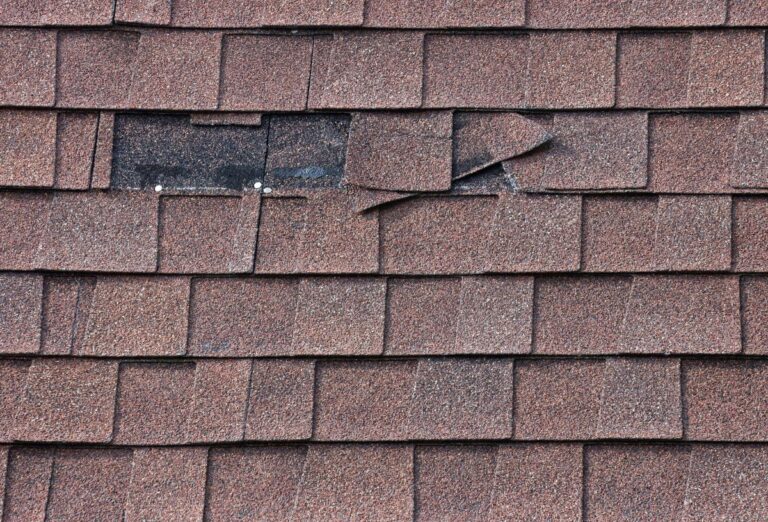
Asphalt shingles are common in Indiana but can be vulnerable to high wind uplift.
- Wind tearing: Shingles may detach during severe gusts
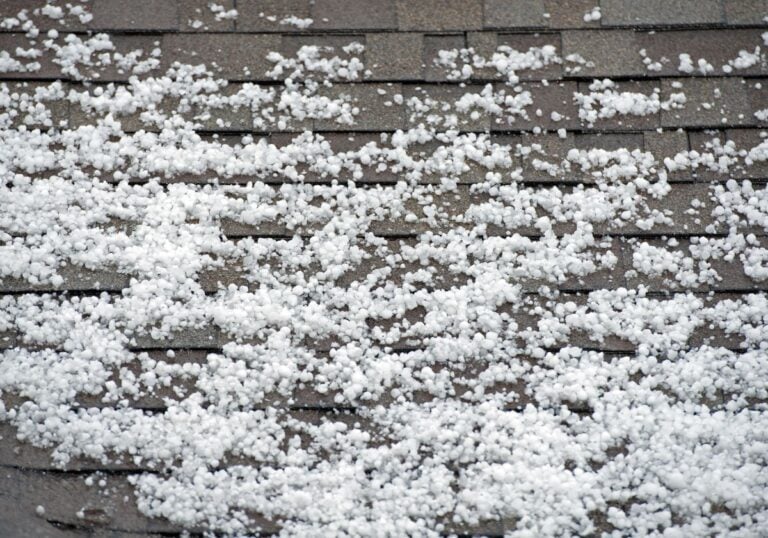
- Granule loss: Hail and debris weaken protective surfaces
- Exposed underlayment: Missing shingles increase leak risks
Storm inspections are especially important after tornado activity.
Metal Roofing
Metal roofs generally perform better in high winds but can still sustain damage.
- Panel lifting: Extreme winds may loosen fasteners
- Dent damage: Flying debris impacts metal surfaces
- Flashing concerns: Edge details may loosen during storms
Proper installation improves wind resistance.
Flat Roofing Systems
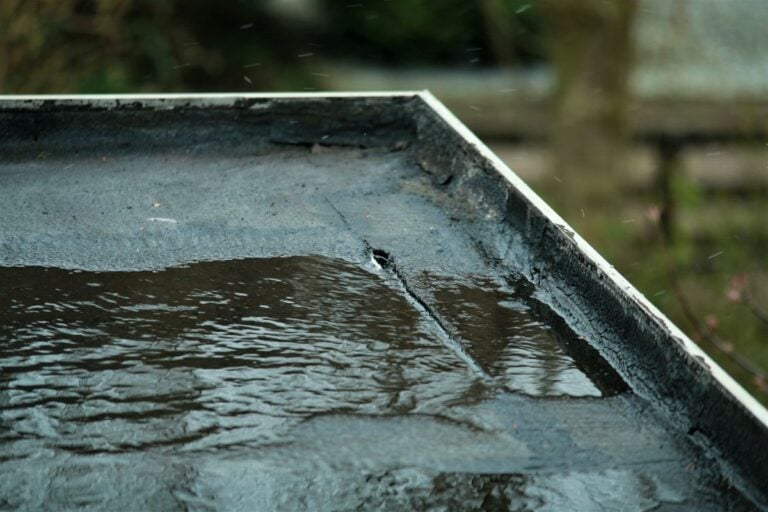
Flat roofs on commercial buildings may experience membrane damage or drainage issues during severe storms.
- Membrane punctures: Debris creates openings in the roof surface
- Drainage blockages: Storm debris interferes with runoff
- Pooling water: Damaged drainage systems increase leak risks
Commercial roofs should be inspected carefully after tornado events.

How to Reduce Future Tornado Roof Damage Risks
While no roof is completely tornado proof, certain improvements can strengthen storm resistance.
Preventative upgrades may reduce damage severity during future storms.
- Install impact resistant shingles: Improved durability during debris impacts
- Secure flashing properly: Reduces wind related failures
- Trim nearby trees: Limits falling branch damage
- Schedule regular roof inspections: Helps identify vulnerabilities early
Strong roofing systems perform better during severe weather.
Why Crown Point Homeowners Trust Discount Roof
At Discount Roof, we help homeowners recover from severe weather with reliable roofing inspections, repairs, and replacement services designed for Indiana storm conditions. Homeowners in Crown Point and surrounding areas trust us because we focus on honest communication, durable workmanship, and dependable service.
We provide:
- Professional storm damage roof inspections
- High quality roof repair and replacement services
- Detailed evaluations based on your roof’s condition
- Clear estimates and dependable project communication
Our goal is to help homeowners restore and protect their roofing systems after severe weather.
Protect Your Home After Severe Storms
Tornado roof damage can create serious structural and moisture related problems if not addressed quickly. From missing shingles and flashing damage to structural concerns and water intrusion, homeowners should act carefully and prioritize professional inspections after severe weather.
If your home has experienced tornado related roof damage, contact Discount Roof today for a roof inspection and free estimate in Crown Point and surrounding areas. Our team will evaluate your roof, explain your options clearly, and help restore your home’s protection as quickly as possible.
Recent Articles
The Roof Learning Center
Get Your Free Estimate Today