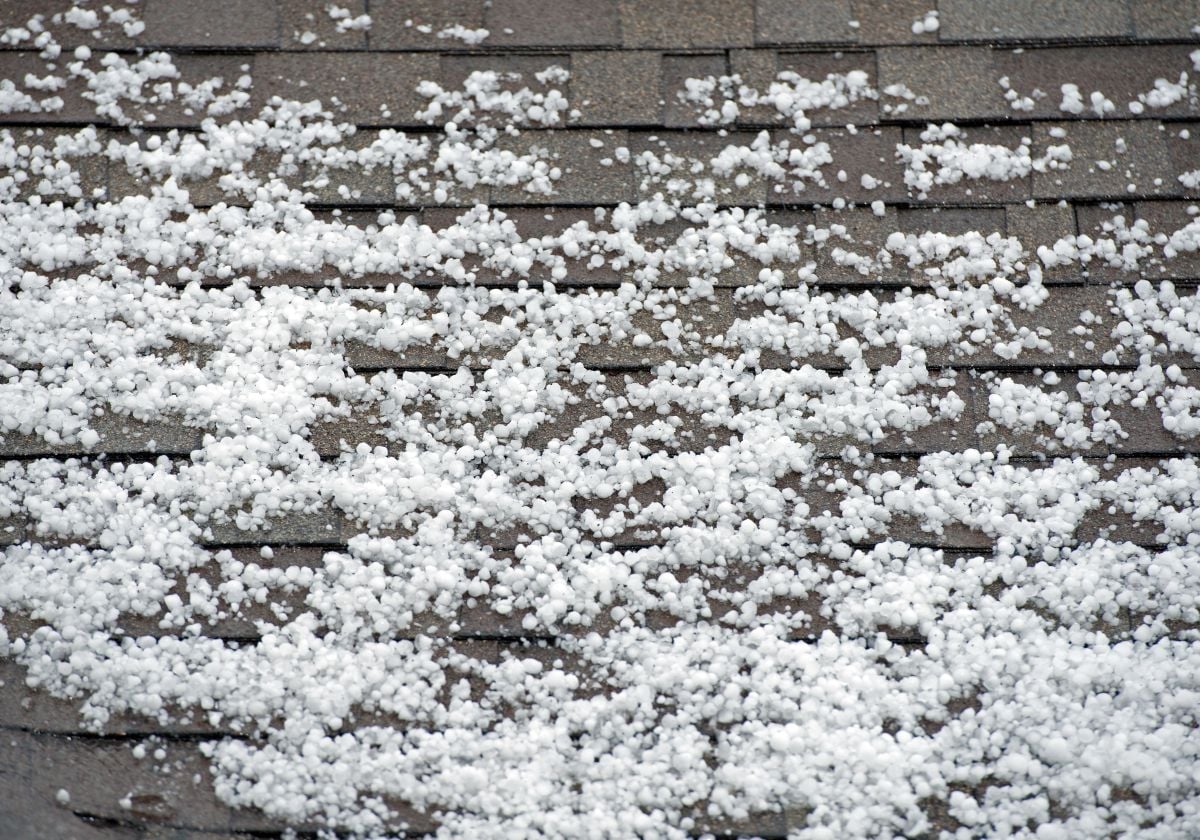
Hail Damage Roof Repair: A Complete Guide for Homeowners

Understanding hail damage roof repair is important for homeowners who want to protect their property after a severe storm. Hail can cause damage that is not always visible from the ground, but even small impacts can weaken roofing materials and increase the risk of future leaks. For homeowners in Northwest Indiana and surrounding areas, hailstorms are a common weather threat that can shorten roof lifespan if damage is not addressed promptly.
In this guide, you will learn:
- How hail damages a roof: Common types of storm related impacts
- Warning signs homeowners should look for: Visible and hidden damage indicators
- Repair and replacement considerations: When repairs are enough and when replacement may be necessary
Let’s take a closer look at how hail affects roofing systems and what homeowners should do after a storm.
Why Hail Damage Should Never Be Ignored

Many homeowners assume their roof is fine if there are no immediate leaks after a hailstorm. However, hail damage often weakens shingles and roofing materials in ways that become apparent months or even years later.
According to the National Weather Service, hailstones can range from pea-sized to larger than baseballs, with larger hail capable of causing significant property damage. Hail impacts can remove protective granules, crack shingles, dent metal roofing components, and create vulnerable areas where moisture can eventually enter the roofing system.
- Reduces roof lifespan: Damaged materials deteriorate faster
- Increases leak risks: Weakened areas become vulnerable to moisture intrusion
- Voids some manufacturer warranties: Unrepaired damage may affect coverage
- Leads to more expensive repairs: Small problems often grow over time
Prompt inspections help identify issues before they become larger concerns.
How Hail Damages Different Roofing Materials
Not all roofing materials respond to hail the same way. The severity of damage often depends on hail size, wind speed, roof age, and roofing material type. Homeowners should understand how their specific roof may be affected after a storm.
Asphalt Shingles
Asphalt shingles are among the most common roofing materials and are frequently impacted by hail.
- Granule loss: Protective surface coating becomes damaged
- Bruising: Soft impact spots develop beneath the shingle surface
- Cracking: Larger hailstones may fracture shingles directly
Damage may not always be visible from the ground.
Metal Roofing
Metal roofs generally perform well during hailstorms but can still sustain cosmetic or functional damage.
- Dents and dings: Visible impact marks from hailstones
- Flashing damage: Metal components around penetrations may be affected
- Coating damage: Protective finishes may become compromised
The severity depends on hail size and roofing gauge.
Wood Shingles and Shakes
Wood roofing materials can split or crack under significant hail impact.
- Surface splitting: Hail creates visible cracks
- Material weakening: Damaged wood absorbs moisture more easily
- Reduced lifespan: Storm damage accelerates deterioration
Wood roofs should be inspected carefully after hailstorms.
6 Signs of Hail Damage Homeowners Should Look For
Hail damage is not always obvious. A systematic inspection helps homeowners identify potential roofing issues after severe weather. Below are six common signs of hail damage.
1. Missing Shingle Granules
Granules protect asphalt shingles from UV exposure and weathering. After a hailstorm, large amounts of granules may collect in gutters or near downspout exits.
- Granules in gutters: Indicates surface impact damage
- Bare shingle spots: Reduced weather protection
- Uneven roof appearance: Granule loss may occur in concentrated areas
Granule loss often signals underlying shingle damage.
2. Bruised or Soft Shingles
Hail impacts can create bruises that weaken shingles internally. These damaged areas may not immediately leak but often deteriorate faster over time.
- Soft spots on shingles: Indicates impact damage
- Hidden structural weakening: Damage beneath the surface layer
- Reduced durability: Increased vulnerability to future weather events
Professional inspections help identify bruising accurately.
3. Cracked Shingles

Larger hailstones can fracture roofing materials directly. Cracks create pathways for water intrusion and should be addressed promptly.
- Visible surface cracks: Direct hail impact damage
- Broken shingle edges: Material failure after severe storms
- Higher leak potential: Water enters through damaged areas
Cracked shingles often require repair or replacement.
4. Damaged Flashing
Flashing around chimneys, vents, skylights, and roof edges can be damaged by hail impacts. Even minor flashing damage can compromise waterproofing performance.
- Dented metal flashing: Visible storm impact signs
- Loose flashing sections: Increased leak risk
- Sealant damage: Protective barriers weakened
Flashing inspections are an important part of storm evaluations.
5. Dented Gutters and Downspouts
Gutters often provide some of the most visible evidence of hail activity. Damage to these components may indicate roofing damage as well.
- Dents along gutter edges: Common hail impact sign
- Downspout damage: Indicates storm severity
- Visible impact marks: Helpful evidence during inspections
Gutter damage often accompanies roof damage.
6. Interior Water Stains
Sometimes hail damage does not become apparent until water enters the home. Interior inspections are just as important as exterior evaluations.
- Ceiling stains: Possible roof leak development
- Attic moisture: Hidden roofing damage may be present
- Mold or mildew odors: Long term moisture concerns developing
Interior warning signs should be investigated quickly.
How Hail Damage Can Escalate
Imagine a homeowner in Northwest Indiana experiences a spring hailstorm with golf ball sized hail. After the storm, the roof appears normal from the driveway, and there are no immediate leaks.
Several months later, granule loss and bruised shingles begin deteriorating further. During a heavy summer rainstorm, water starts entering around weakened roofing areas, leading to attic moisture and ceiling stains. What could have been a relatively straightforward repair becomes a larger project involving interior repairs as well.
This example illustrates why post storm roof inspections are so important.
Hail Damage Roof Repair Costs in 2026

Repair costs vary depending on the roofing material, extent of damage, and roof accessibility. Homeowners in Northwest Indiana and surrounding areas can generally expect the following ranges.
| Repair Type | Average Cost Range |
| Minor shingle repairs | $300 to $1,500 |
| Moderate hail damage repairs | $1,500 to $5,000 |
| Extensive roof repairs | $5,000 to $10,000+ |
| Full roof replacement | $8,000 to $25,000+ |
Several factors influence total cost.
- Roof size: Larger roofs require more materials and labor
- Severity of hail impacts: Extensive damage increases repair scope
- Roofing material type: Material costs vary significantly
- Accessibility and complexity: Steeper roofs increase labor requirements
Professional inspections help determine the most appropriate repair strategy.
When Roof Replacement May Be Necessary
In some cases, hail damage affects enough of the roofing system that replacement becomes the better long term solution. Replacement may be recommended when repairs no longer provide reliable protection.
- Widespread shingle damage: Large portions of the roof affected
- Multiple leak areas: Water intrusion occurring throughout the system
- Aging roof materials: Nearing the end of expected lifespan
- Extensive granule loss: Reduced weather resistance across the roof
A professional inspection can help determine whether repair or replacement is the best option.
Why Professional Hail Damage Inspections Matter
Many forms of hail damage are difficult to identify without roofing experience. Professional inspections help homeowners understand the true condition of their roof and identify hidden issues.
- Detailed roof evaluation: Identifies visible and hidden damage
- Moisture detection: Finds early leak concerns
- Roof lifespan assessment: Evaluates overall roofing condition
- Repair recommendations: Helps homeowners make informed decisions
Professional inspections provide valuable information after severe storms.
Why Northwest Indiana Homeowners Trust Discount Roof
At Discount Roof, we help homeowners protect their property with professional roof inspections, repairs, and replacement services designed for Indiana weather conditions. Homeowners in Northwest Indiana and surrounding areas trust us because we focus on honest recommendations, quality workmanship, and dependable service.
We provide:
- Professional storm damage roof inspections
- High quality roof repair and replacement services
- Detailed roofing evaluations and recommendations
- Clear estimates and dependable project communication
Our goal is to help homeowners maintain reliable roof protection through every season.
Protect Your Roof After the Next Hailstorm
Hail damage roof repair is not something homeowners should delay. Even minor hail impacts can weaken roofing materials and create future leak risks if left untreated. Understanding the warning signs and scheduling a professional inspection after severe weather can help protect your home and reduce long term repair costs.
If your roof has recently experienced hail damage, contact Discount Roof today for a free estimate in Northwest Indiana and surrounding areas. Our team will evaluate your roof, explain your repair or replacement options clearly, and help restore your home’s protection.
Recent Articles
The Roof Learning Center
Get Your Free Estimate Today