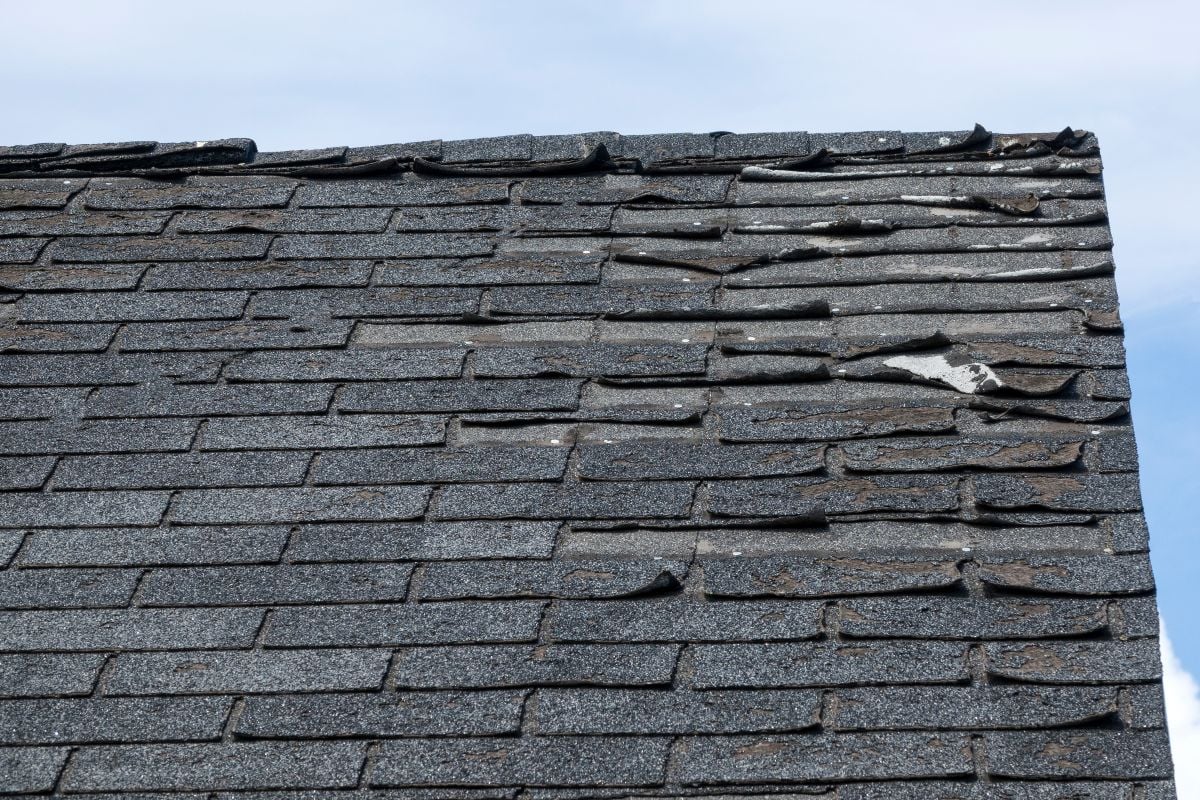
Damaged Shingles: 8 Warning Signs, Causes & Next Steps

Understanding damaged shingles is important for homeowners because even small roofing problems can lead to leaks, water damage, and expensive repairs if they are ignored. Shingles are your roof’s first layer of defense against rain, wind, hail, snow, and UV exposure, so their condition directly affects how well your home is protected. For homeowners in Northwest Indiana and surrounding areas, spotting shingle damage early can help prevent larger roofing issues and extend the life of the roof.
In this guide, you will learn:
- Warning signs: How to recognize damaged shingles before leaks develop
- Common causes: Why shingles crack, curl, loosen, or lose granules
- Next steps: What homeowners should do when roof damage appears
Let’s take a closer look at the most common signs of damaged shingles and what they mean for your home.
Why Shingle Damage Should Never Be Ignored

Roof shingles are designed to shed water and protect the layers beneath them. When shingles become cracked, loose, missing, or worn down, moisture can reach the underlayment, roof decking, insulation, and interior spaces. What starts as a small issue on the roof can eventually become water stains, attic moisture, mold growth, or structural damage.
Many homeowners do not realize they have damaged shingles until they notice a leak inside the home. However, visible warning signs often appear much earlier if you know what to look for. Checking your roof after storms and paying attention to changes in appearance can help you catch problems before they spread.
- Leak prevention: Addressing damaged shingles early reduces the risk of water entering the home
- Roof lifespan: Prompt repairs help roofing materials last longer
- Decking protection: Keeping shingles in good condition protects the wood structure beneath
- Cost control: Small repairs are usually less expensive than major water damage repairs
8 Warning Signs of Damaged Shingles
Shingle damage can show up in several ways depending on the roof’s age, the weather conditions it has experienced, and the quality of the installation. Some warning signs are easy to see from the ground, while others require a professional roof evaluation. Below are eight of the most common signs homeowners should watch for.
1. Missing Shingles
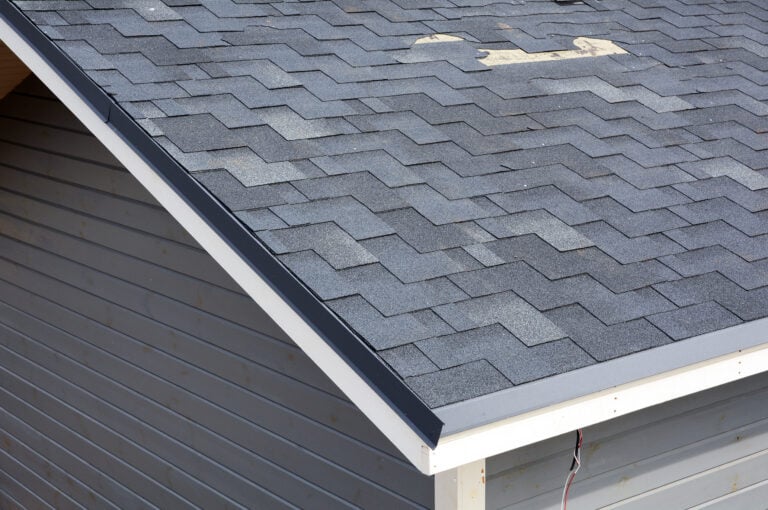
Missing shingles are one of the clearest signs that your roof needs attention. High winds, severe storms, aging fasteners, and poor installation can all cause shingles to detach from the roof. Once a shingle is missing, the underlayment and roof decking beneath it become more vulnerable to rain and moisture.
Even if only one or two shingles are missing, the problem should not be ignored. Water can enter through the exposed area and travel beneath surrounding shingles. Over time, that moisture can weaken the roof system and create leaks inside the home.
- Bare roof spots: Exposed areas may indicate shingles have blown off
- Storm damage: Missing shingles are common after high winds
- Moisture risk: Exposed underlayment can eventually allow leaks
- Repair urgency: Missing shingles should be addressed quickly
2. Curling Shingles
Curling shingles occur when the edges or corners begin lifting away from the roof surface. This often happens as shingles age, dry out, or lose flexibility from years of sun exposure and temperature changes. Curled shingles are more vulnerable to wind uplift because they no longer sit flat against the roof.
Once shingles begin curling, they usually continue deteriorating. The lifted edges can allow wind driven rain to reach areas that should remain protected. If curling appears across large sections of the roof, it may indicate that the shingles are nearing the end of their lifespan.
- Lifted edges: Shingles may curl upward or cup inward
- Aging materials: Curling often develops on older roofs
- Wind vulnerability: Lifted shingles are easier for storms to damage
- Replacement concern: Widespread curling may point to larger roof failure
3. Cracked Shingles
Cracked shingles can develop from age, temperature swings, hail impact, or long term UV exposure. A small crack may seem minor, but it can create a pathway for water to enter beneath the surface. Cracks can also expand over time as shingles continue to expand and contract with changing weather.
Cracked shingles are especially common on older roofs that have lost flexibility. They may also appear after severe storms or hail events. If several shingles are cracked across different areas of the roof, a professional evaluation can help determine whether repairs or replacement are more appropriate.
- Visible splits: Cracks may run across the shingle surface
- Weather exposure: Sun and temperature changes weaken shingles over time
- Leak potential: Cracks create openings for moisture
- Storm connection: Hail and debris can cause sudden cracking
4. Granule Loss

Asphalt shingles are coated with protective granules that shield the roof from UV rays and weather exposure. Over time, these granules naturally wear away, but heavy or uneven granule loss can indicate roof damage. Homeowners may notice granules collecting in gutters, near downspouts, or on the ground after storms.
Granule loss weakens shingles because the asphalt layer becomes more exposed to sunlight and moisture. Bald patches on shingles can also cause the roof to age faster. If granule loss is widespread, the roof may no longer provide reliable protection.
- Gutter granules: Loose granules often collect in gutters and downspouts
- Bald spots: Exposed shingle areas indicate protective coating loss
- UV damage: Missing granules make shingles more vulnerable to sunlight
- Aging sign: Heavy granule loss often means shingles are wearing out
5. Hail Damage
Hail can bruise, dent, crack, or weaken shingles depending on the size of the hail and the force of impact. Some hail damage is obvious, such as broken shingles or missing granules, but other signs can be harder to see from the ground. Bruised shingles may feel soft in impact areas and can deteriorate faster after the storm.
Hail damage should be evaluated promptly because it can shorten roof lifespan even when no active leak is present. The roof may appear intact at first, but weakened shingles can fail later during heavy rain or winter weather. Homeowners in Northwest Indiana and surrounding areas should pay close attention after strong spring and summer storms.
- Impact marks: Circular marks may indicate hail contact
- Bruised shingles: Soft areas can signal hidden damage
- Granule displacement: Hail often knocks granules loose
- Delayed leaks: Damage may not cause water intrusion immediately
6. Loose or Lifted Shingles
Loose or lifted shingles no longer sit tightly against the roof surface. This can happen when fasteners loosen, adhesive strips fail, or strong winds break the shingle seal. Once shingles lift, rain and wind can move underneath them more easily.
Lifted shingles often worsen during future storms. A small lifted section can become a missing shingle if wind catches it the wrong way. Homeowners should take this warning sign seriously because it can quickly lead to more widespread damage.
- Raised shingle edges: Shingles may appear uneven or lifted
- Broken adhesive seal: Failed seals reduce wind resistance
- Fastener issues: Loose nails can allow movement
- Storm risk: Lifted shingles are more likely to tear away
7. Dark Streaks or Discoloration
Dark streaks are often caused by algae growth, but discoloration can also indicate moisture retention, aging materials, or uneven wear. While algae itself may not always mean the roof is failing, it can make the roof look older and may contribute to moisture concerns if combined with debris or moss growth. Discoloration should be reviewed in context with other signs of roof wear.
If dark areas appear alongside curling, granule loss, or soft spots, the issue may be more than cosmetic. Stains can also make it harder to identify other forms of damage from the ground. A closer evaluation can help determine whether cleaning, repair, or replacement is the right next step.
- Algae growth: Dark streaks commonly develop on shaded roof areas
- Moisture retention: Staining may indicate damp conditions
- Uneven aging: Discoloration can show where shingles are wearing differently
- Curb appeal impact: Stains can make a roof look older than it is
8. Interior Water Stains
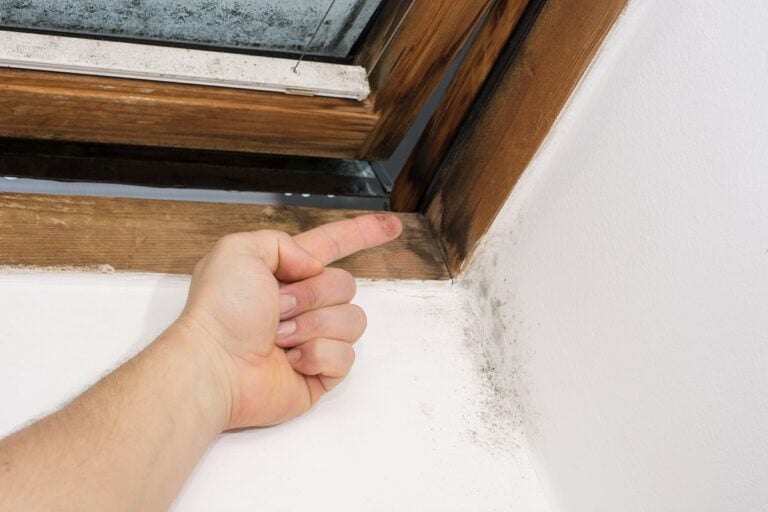
Sometimes the first noticeable sign of damaged shingles appears inside the home. Water stains on ceilings, damp attic insulation, peeling paint, or musty odors can indicate moisture has already entered the roofing system. By the time interior signs appear, the roof damage may have been developing for a while.
Interior water stains should never be ignored. Water often travels along rafters or insulation before showing up on a ceiling, which means the visible stain may not be directly below the leak source. A professional roof evaluation can help locate the damaged area and determine the correct repair.
- Ceiling stains: Brown or yellow spots may indicate roof leaks
- Attic moisture: Damp insulation can point to hidden water intrusion
- Peeling paint: Moisture behind walls or ceilings can affect finishes
- Musty odors: Persistent smells may signal trapped moisture
Common Causes of Damaged Shingles
Damaged shingles can result from sudden storm events or gradual wear over time. In Northwest Indiana and surrounding areas, roofs are exposed to wind, hail, snow, ice, rain, and seasonal temperature changes that can all contribute to shingle deterioration. Understanding the cause of the damage helps homeowners make better repair and replacement decisions.
Some causes are unavoidable, but regular maintenance can reduce the risk of serious roofing problems. Small issues like loose flashing, clogged gutters, or poor attic ventilation can accelerate shingle wear if left unaddressed.
- High winds: Strong gusts can lift, loosen, or remove shingles
- Hailstorms: Impact damage can bruise shingles and knock off granules
- UV exposure: Sunlight gradually dries and weakens asphalt materials
- Poor ventilation: Excess attic heat can shorten shingle lifespan
- Aging materials: Older shingles naturally become brittle and less protective
What to Do If You Notice Damaged Shingles
If you notice damaged shingles, the best first step is to avoid climbing onto the roof unless you have proper equipment and experience. Many signs of damage can be documented safely from the ground using photos or binoculars. You should also check your attic and ceilings for signs of moisture, especially after heavy rain or storms.
Prompt action is important because damaged shingles rarely improve on their own. Waiting too long can allow moisture to spread into other parts of the roofing system. Addressing the issue early can help prevent larger repair costs and protect the structure beneath the roof.
- Document the damage: Take clear photos of visible problem areas
- Check inside the home: Look for ceiling stains, attic moisture, or musty odors
- Avoid unsafe roof access: Do not climb onto steep, wet, or damaged roofing surfaces
- Schedule an evaluation: A roofing professional can identify the cause and scope of damage
Repair vs Replacement: How to Know the Difference

Not every damaged shingle means the entire roof needs to be replaced. If the damage is isolated and the roof is otherwise in good condition, targeted repairs may be enough. This is often the case when a small number of shingles are missing after a storm or when flashing repairs can stop a localized leak.
Replacement becomes more likely when damage is widespread, the roof is near the end of its expected lifespan, or repairs are becoming frequent. If shingles across multiple areas are curling, cracking, losing granules, or leaking, a larger roofing solution may provide better long term value.
- Repair may work: Damage is limited to a small section of the roof
- Replacement may be better: Damage appears across multiple roof slopes
- Age matters: Older roofs are more likely to need replacement
- Leak history matters: Recurring leaks often indicate deeper roofing issues
Why Northwest Indiana Homeowners Trust Discount Roof
At Discount Roof, we help homeowners protect their homes with dependable roofing solutions designed for Indiana weather conditions. Homeowners throughout Northwest Indiana and surrounding areas trust us because we focus on honest recommendations, quality workmanship, and long term results. Whether your roof has storm damage, aging shingles, or active leaks, our team can help you understand the best next step.
We provide:
- Roof repair services: Targeted solutions for damaged shingles and leak-prone areas
- Roof replacement services: Full roofing systems when repairs are no longer enough
- Storm damage roofing services: Roofing solutions after wind, hail, and severe weather
- Free estimates: Clear pricing and communication before work begins
Address Damaged Shingles Before Bigger Problems Develop
Damaged shingles are often one of the earliest warning signs that your roof needs attention. Whether the damage comes from storms, age, or everyday wear, acting quickly can help prevent leaks, decking damage, and more expensive repairs later.
If you have noticed damaged shingles on your roof, contact Discount Roof today for a free estimate in Northwest Indiana and surrounding areas. Our team can evaluate your roofing needs, explain your repair or replacement options, and help restore your home’s protection.
Get Your Free Estimate Today