9 Warning Signs of Poor Attic Ventilation in Your Home
Understanding the signs of poor attic ventilation is important because proper airflow plays a major role in protecting your roof, improving energy efficiency, and preventing moisture problems throughout your home. A well-ventilated attic allows excess heat and humidity to escape, helping your roofing system perform properly throughout the year. For homeowners in Northwest Indiana and surrounding areas, poor attic ventilation can contribute to roofing damage, higher utility bills, mold growth, and a shortened roof lifespan.
In this guide, you will learn:
- Why attic ventilation matters
- The most common warning signs of ventilation problems
- What causes poor attic airflow
- How proper ventilation helps protect your home
Let’s take a closer look at how to identify ventilation issues before they lead to costly repairs.
Why Proper Attic Ventilation Matters

Many homeowners focus on shingles, gutters, and flashing when thinking about roof maintenance, but attic ventilation is equally important. A properly ventilated attic allows fresh air to enter through intake vents while warm, humid air exits through exhaust vents. This continuous airflow helps regulate attic temperatures and prevents moisture from becoming trapped inside the home.
Without adequate ventilation, heat can build up during the summer and moisture can accumulate during the winter. Over time, these conditions can damage roofing materials, reduce insulation performance, and create an environment where mold and mildew can develop. Proper ventilation helps protect both the roofing system and the overall health of the home.
- Helps regulate attic temperatures
- Reduces moisture buildup
- Extends roof lifespan
- Improves energy efficiency
- Helps prevent mold and mildew growth
9 Warning Signs of Poor Attic Ventilation
Ventilation issues often develop gradually, making them easy to overlook until noticeable problems appear. Below are nine common warning signs homeowners should watch for.
1. Excessively Hot Attic Temperatures
It is normal for attics to become warmer than the living space below, especially during the summer. However, if your attic feels extremely hot and retains excessive heat long after sunset, poor ventilation may be preventing proper airflow. Trapped heat can make your HVAC system work harder and increase cooling costs throughout the home.
Over time, excessive attic heat can also accelerate the aging process of roofing materials. Shingles exposed to heat from both above and below often deteriorate faster than expected.
- Extreme attic temperatures
- Increased cooling demands
- Reduced indoor comfort
- Premature roofing wear
2. High Energy Bills
Poor attic ventilation often contributes to rising energy costs. During the summer, trapped attic heat can transfer into living spaces and force air conditioning systems to run longer. During the winter, moisture-related insulation issues can reduce heating efficiency.
If utility bills continue increasing without another obvious explanation, attic ventilation may be worth investigating.
- Higher cooling costs
- Increased heating expenses
- HVAC systems working harder
- Reduced energy efficiency
3. Ice Dams in Winter
Ice dams occur when warm attic air causes snow on the roof to melt and refreeze near the roof edge. This creates a barrier that prevents proper drainage and allows water to back up beneath shingles.
Poor attic ventilation is one of the most common contributors to ice dam formation. Homes that experience recurring ice dams often have ventilation or insulation issues that should be addressed.
- Ice buildup along roof edges
- Large icicles near gutters
- Water backup beneath shingles
- Increased leak potential
4. Moisture or Condensation in the Attic
A healthy attic should remain relatively dry throughout the year. If you notice condensation on rafters, insulation, or other attic surfaces, excess moisture may be trapped due to inadequate airflow.
Moisture problems often become worse during colder months when warm indoor air rises into the attic and condenses on cooler surfaces.
- Damp attic surfaces
- Condensation on framing
- Wet insulation
- Excess humidity
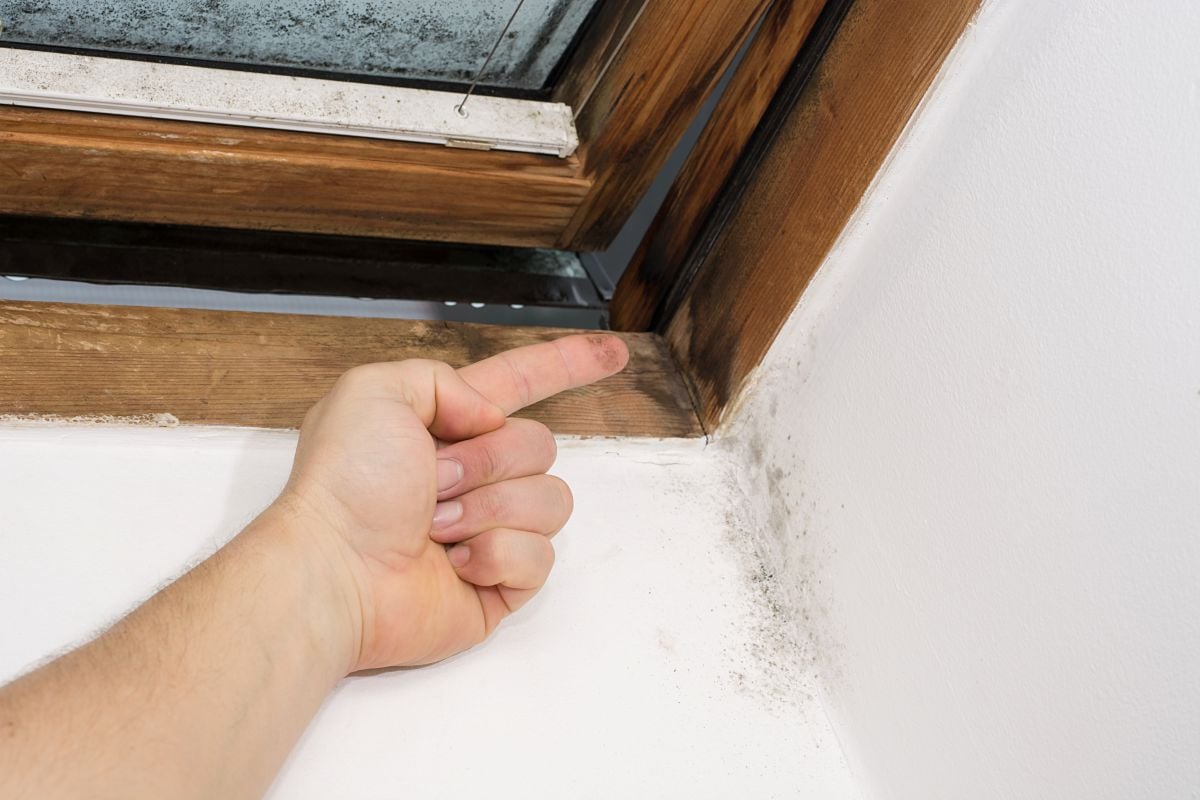
5. Mold or Mildew Growth

When moisture remains trapped inside an attic, mold and mildew can begin developing on wood framing, insulation, and other surfaces. Mold growth often indicates that humidity levels are consistently too high.
Besides damaging building materials, mold can negatively affect indoor air quality and create unpleasant odors throughout the home.
- Musty odors
- Visible mold growth
- Dark staining on wood
- Ongoing moisture concerns
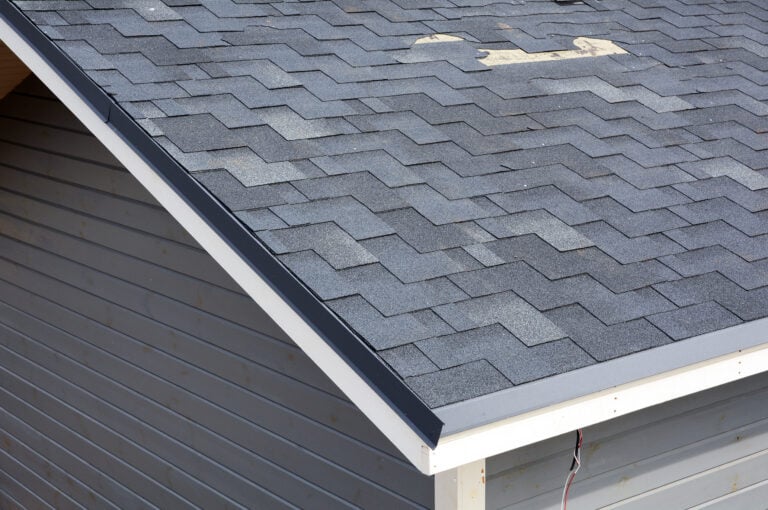
6. Premature Shingle Deterioration
Excessive attic heat can shorten the lifespan of roofing materials. Shingles exposed to constant heat buildup may begin curling, cracking, blistering, or losing granules sooner than expected.
While aging is natural, unusually early roof deterioration may indicate ventilation problems beneath the roof surface.
- Curling shingles
- Cracking or blistering
- Granule loss
- Reduced roof lifespan
7. Rusted Nails or Metal Components
Moisture trapped inside the attic can affect metal components throughout the roofing system. Nails, fasteners, flashing, and other materials may begin showing signs of rust when humidity levels remain elevated for extended periods.
Rust is often one of the earliest signs that moisture is accumulating where it should not be.
- Rusted nail heads
- Corroded fasteners
- Flashing deterioration
- Signs of excessive humidity
8. Uneven Indoor Temperatures
Poor attic ventilation can contribute to temperature imbalances throughout the home. Homeowners often notice that second-floor rooms feel warmer during the summer or more difficult to heat during the winter.
While several factors can cause uneven temperatures, attic airflow problems are often part of the issue.
- Hot upstairs rooms
- Uneven heating and cooling
- Reduced comfort
- Increased HVAC usage
9. Damaged or Compressed Insulation
Insulation performs best when it remains dry and properly installed. Excess moisture can reduce its effectiveness and cause it to compress over time. Once insulation loses performance, heating and cooling costs often increase.
Ventilation and insulation work together to create an efficient roofing system. Problems with one often affect the other.
- Wet insulation
- Compressed insulation materials
- Reduced efficiency
- Higher utility bills
What Causes Poor Attic Ventilation?

Most attic ventilation problems occur when there is an imbalance between intake and exhaust airflow. Fresh air must be able to enter the attic while warm, humid air exits efficiently. If one part of the system is blocked, damaged, or undersized, airflow can become restricted.
In some homes, ventilation issues develop because vents become blocked by insulation or debris. In others, the original ventilation design may not provide enough airflow for the size of the attic. Regardless of the cause, poor ventilation often leads to excess heat and moisture accumulation.
- Insufficient roof vents
- Blocked soffit vents
- Poor ventilation design
- Damaged ventilation components
- Improper attic modifications
How Proper Ventilation Protects Your Roof
Proper attic ventilation helps create a healthier environment for the entire roofing system. By allowing heat and moisture to escape, ventilation reduces stress on roofing materials and helps maintain consistent performance throughout the year. Many homeowners are surprised to learn that attic airflow can have a direct impact on roof lifespan.
For example, imagine a homeowner notices rising summer energy bills and unusually hot upstairs rooms. Over time, excessive attic heat begins accelerating shingle deterioration while trapped moisture causes insulation performance to decline. What started as a ventilation issue eventually contributes to roofing repairs and higher operating costs. Addressing the airflow problem earlier could have helped prevent many of those issues.
- Reduces attic heat buildup
- Helps prevent moisture damage
- Protects insulation performance
- Extends roofing material lifespan
- Improves overall home efficiency
Why Northwest Indiana Homeowners Trust Discount Roof
At Discount Roof, we help homeowners protect their investment with roofing solutions designed for Indiana weather conditions. Homeowners throughout Northwest Indiana and surrounding areas trust us because we focus on honest recommendations, quality workmanship, and long term results.
We provide:
- Roof repair services
- Roof replacement solutions
- Attic ventilation improvements
- Storm damage roofing services
- Free estimates and clear communication
Our goal is to help homeowners maintain durable, efficient roofing systems that perform year after year.
Improve Your Roof’s Performance With Proper Ventilation
The signs of poor attic ventilation often start small but can eventually lead to significant roofing, energy efficiency, and moisture problems. Recognizing these warning signs early can help homeowners protect their roof, improve comfort, and avoid costly repairs.
If you suspect your attic may have ventilation issues, contact Discount Roof today for a free estimate in Northwest Indiana and surrounding areas. Our team can evaluate your roofing system, discuss potential ventilation improvements, and help ensure your home remains protected throughout every season.
Get Your Free Estimate Today