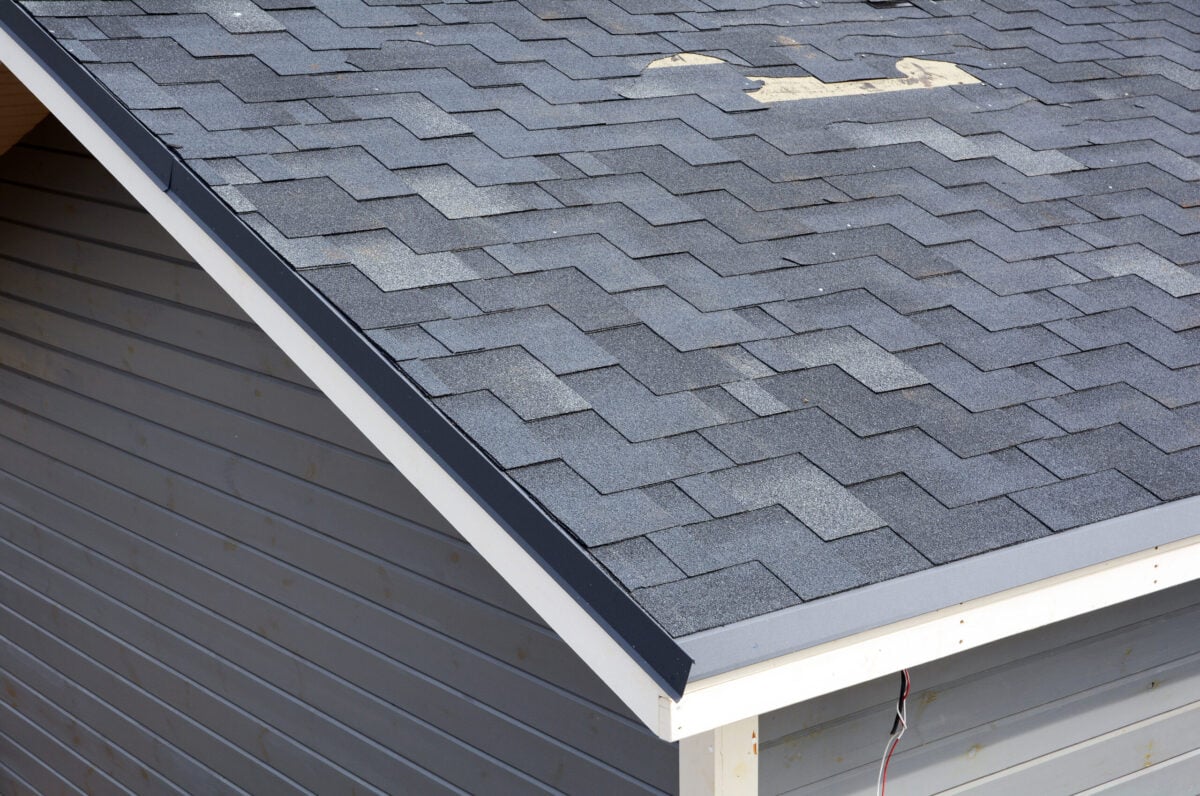
Wind Damaged Shingles: How to Identify and Fix Them Fast

Understanding wind damaged shingles is important because even a minor windstorm can compromise your roof’s ability to protect your home. Strong winds can loosen, lift, crack, or completely remove shingles, leaving the roof vulnerable to water intrusion and additional damage. For homeowners in Northwest Indiana and surrounding areas, identifying wind damage quickly can help prevent leaks, structural issues, and more expensive repairs down the road.
In this guide, you will learn:
- How wind damages asphalt shingles
- The most common signs of wind damage
- What homeowners should do after a windstorm
- When repairs may be possible versus replacement
Let’s take a closer look at how to spot wind damaged shingles and protect your home from further roofing problems.
Why Wind Damage Should Be Taken Seriously

Most homeowners expect hail to damage a roof, but wind can be just as destructive. High winds create uplift forces that pull on shingles and weaken their attachment to the roof. Even if shingles do not completely blow off, the damage can break adhesive seals and create openings where water can enter.
The challenge with wind damage is that it is not always obvious from the ground. A roof may look fine at first glance while hidden damage continues to worsen during future storms. Addressing wind damage early helps prevent leaks and extends the life of the roofing system.
- Protects against water intrusion
- Helps prevent roof leaks
- Reduces the risk of structural damage
- Prevents small issues from becoming major repairs
- Helps maintain roof lifespan
6 Signs of Wind Damaged Shingles
Wind damage can appear in several different forms depending on wind speed, roof age, and the condition of the shingles. Below are some of the most common warning signs homeowners should look for after a storm.
1. Missing Shingles
Missing shingles are one of the clearest signs of wind damage. Strong gusts can completely tear shingles away from the roof, exposing the underlayment and decking beneath.
Even a small area of missing shingles can leave the roof vulnerable to moisture intrusion. The longer exposed sections remain uncovered, the greater the risk of additional damage.
- Bare spots on the roof
- Exposed roofing layers
- Increased leak potential
- Common after severe storms
2. Lifted Shingles
Not all wind damage results in missing shingles. Sometimes strong winds break the adhesive seal that keeps shingles secured to the roof surface.
Lifted shingles may appear slightly raised or uneven. While they may still be attached, they are much more vulnerable during future wind events.
- Raised shingle edges
- Broken adhesive strips
- Increased wind vulnerability
- Potential future shingle loss
3. Creased Shingles
When shingles are bent backward by strong winds, they can develop horizontal creases. These creases weaken the shingle and often lead to premature failure.
Creased shingles may not leak immediately, but they typically require attention because the damage rarely improves on its own.
- Visible horizontal lines
- Weakened shingle structure
- Reduced weather resistance
- Common after high-wind events
4. Curling or Flapping Shingles
Wind can loosen shingles enough that they begin curling or moving during storms. Over time, this repeated movement weakens the roofing system and increases the likelihood of further damage.
Curling caused by wind often appears differently than curling caused by age.
- Uneven shingle appearance
- Lifted corners or edges
- Increased storm vulnerability
- Potential water infiltration
5. Granule Loss

Wind-driven debris can remove protective granules from asphalt shingles. While some granule loss is normal as roofs age, sudden or concentrated granule loss after a storm may indicate damage.
Granules help protect shingles from UV exposure and weathering.
- Granules collecting in gutters
- Bald spots on shingles
- Reduced weather protection
- Accelerated aging
6. Debris Impact Damage
Branches, limbs, and other storm debris can strike the roof during high winds. Even if shingles remain in place, impact damage may weaken their protective capabilities.
Damage from debris should be evaluated as soon as possible after a storm.
- Cracked shingles
- Punctures or tears
- Surface damage
- Localized roofing issues
What Causes Wind Damage to Shingles?
Wind damage occurs when the force of moving air exceeds the ability of the shingles to remain securely attached. Several factors can make a roof more vulnerable to wind-related problems.
Older roofs often experience more wind damage because the shingles become less flexible and the adhesive seals weaken over time. Improper installation can also increase the likelihood of shingle failure during storms.
- High wind speeds
- Aging shingles
- Severe thunderstorms
- Tornado-related weather
- Improper installation
- Previous storm damage
Homes located in areas that experience frequent severe weather should pay particular attention to roof maintenance.
What to Do After a Windstorm
After a significant storm, homeowners should perform a visual inspection of their property from the ground whenever it is safe to do so. Missing shingles, debris accumulation, and visible roof damage may indicate that further evaluation is needed.
Avoid climbing onto the roof yourself, especially if damage is suspected. Roofing surfaces can be slippery, unstable, or unsafe following severe weather.
- Walk around the property safely
- Look for missing shingles
- Check gutters for excessive granules
- Document visible damage with photos
- Schedule a professional roof inspection
Taking action quickly can help prevent secondary damage from developing.
Repair vs Replacement: How to Know the Difference
Not every case of wind damage requires a complete roof replacement. In many situations, localized repairs can restore the roof’s performance if the damage is limited to a small area.
However, widespread wind damage may make replacement the more practical long-term solution. Factors such as roof age, the extent of the damage, and the overall condition of the roofing system all play a role.
- Minor damage may qualify for repairs
- Multiple damaged areas may require larger solutions
- Older roofs often have fewer repair options
- Widespread shingle loss may justify replacement
A professional evaluation can help determine the most cost-effective approach.
How Wind Damage Can Worsen Over Time
Imagine a homeowner experiences a strong windstorm and notices a few lifted shingles near the edge of the roof. Because there are no leaks, the issue is ignored.
Several months later, another storm passes through the area. The previously lifted shingles tear away completely, exposing the underlayment beneath. Rainwater enters the roofing system and begins damaging the decking below.
What started as a minor repair opportunity eventually becomes a larger roofing project. This example illustrates why early action is so important after wind damage occurs.
How to Reduce Future Wind Damage

While no roof is completely immune to severe weather, homeowners can take steps to reduce the risk of wind-related damage.
Routine maintenance and prompt repairs help keep roofing systems in better condition and more capable of handling storms.
- Address damaged shingles quickly
- Keep trees trimmed away from the roof
- Schedule regular roof evaluations
- Replace aging roofing materials when necessary
- Repair loose flashing and roofing components
Preventative maintenance often improves storm resistance and extends roof lifespan.
Why Northwest Indiana Homeowners Trust Discount Roof
At Discount Roof, we help homeowners protect their homes with dependable roofing solutions designed for Indiana weather conditions. Homeowners throughout Northwest Indiana and surrounding areas trust us because we focus on honest recommendations, quality workmanship, and long-term results.
We provide:
- Roof repair services
- Roof replacement solutions
- Storm damage roofing services
- Professional roof inspections
- Free estimates and clear communication
Our goal is to help homeowners maintain strong, reliable roofing systems that stand up to Indiana’s changing weather conditions.
Act Quickly When Wind Damages Your Roof
Wind damaged shingles can lead to leaks, moisture intrusion, and larger roofing problems if they are not addressed promptly. Whether the damage involves missing shingles, lifted tabs, granule loss, or storm debris impacts, identifying the issue early can help protect your home and reduce repair costs.
If your roof has recently experienced severe weather, contact Discount Roof today for a free estimate in Northwest Indiana and surrounding areas. Our team can inspect your roof, explain your options, and help restore your home’s protection before minor damage becomes a major problem.
Recent Articles
The Roof Learning Center
Get Your Free Estimate Today